In the golden years of retirement, managing stress is not just a goal; it’s essential for a peaceful life. The transition from a structured work life to the freedom of retirement can be jarring, and it’s common to experience a sense of loss or uncertainty. I understand that embracing this new phase requires patience and deliberate effort.
Finding peace during retirement means acknowledging the shift in your daily rhythm and the emotions that come with it. It’s about giving yourself the grace to adapt at your own pace, recognizing that this significant life change doesn’t happen overnight.
You’re not alone in this journey. Seeking support from those who have navigated similar waters can make a world of difference. Whether it’s friends who have already retired or groups that share your interests, connection is key. And while you’re reaching out, remember to nurture positivity; focus on the new doors opening rather than those that are closing.
Setting realistic goals can turn the overwhelming into the achievable. These goals act as stepping stones, guiding you through retirement with purpose and a sense of accomplishment. Yet, it’s equally important to stay flexible, adapting your plans as you discover more about your post-retirement self.
Self-care is non-negotiable. Your physical and mental well-being set the foundation for how you experience this new chapter. And amidst all this change, maintaining certain routines provides comforting anchors of stability.
As we reflect on these transitions, let’s consider them opportunities for growth, avenues to explore what truly matters now. In this article, I’ll share some personal insights and straightforward tips to keep stress at bay. Because retirement should be about relaxation and joy—not about worrying over the small stuff. Let’s find out how to make those golden years truly shine.
1. Embrace a flexible mindset
Transitioning into retirement is like sailing into uncharted waters – it requires a flexible mindset. Letting go of rigid expectations allows you to navigate this new phase with an open heart and mind. Accept that retirement might look different from what you’ve envisaged, and that’s okay. Life has a way of surprising us, often for the better.
By staying adaptable, you can turn unexpected situations into adventures rather than obstacles. Remember, when one door closes, another opens. It’s all about perspective. Being open to new experiences can lead to personal growth and unexpected joys in your retirement years.
Adopting this flexible approach paves the way for reduced stress and increased peace. It’s about learning to ride the waves of change with ease. And speaking of change, it’s crucial to acknowledge the role of social connections, which we’ll explore next as we continue to craft a serene retirement lifestyle.
2. Cultivate meaningful relationships
In retirement, the fabric of daily interactions changes. It’s vital to weave new social threads that support and enrich this chapter of life. Cultivating meaningful relationships can transform the stress of retirement into a shared journey of discovery and support.
Reach out to old friends and be open to making new ones. Join groups or clubs that pique your interests. These connections provide not only companionship but also a network of support, advice, and laughter. They serve as a reminder that we’re all in this together.
Nurturing relationships helps manage the stress of change by providing a sense of belonging and purpose. They are the cornerstones of a peaceful retirement, offering both comfort and joy.
3. Prioritize physical activity
The connection between a healthy body and a peaceful mind is undeniable. Retirees sometimes underestimate the power of physical activity in managing stress and improving overall well-being.
Regular exercise, especially as we age, can be a game-changer. It’s not just about staying in shape; it’s about releasing endorphins, those natural mood lifters that our bodies produce when we get moving. These endorphins are often referred to as ‘feel-good’ hormones due to their ability to boost happiness and relieve pain.
Whether it’s a daily walk, a swim, or joining a yoga class, making physical activity a part of your retirement routine can significantly reduce stress levels. Plus, it has the added benefit of combating common health concerns associated with aging, such as heart disease and osteoporosis.
Incorporating even moderate amounts of exercise into your day can lead to better sleep patterns, more energy, and a sharper mind—all of which contribute to a more peaceful and enjoyable retirement. So lace up those sneakers and take a step towards a stress-free life.
4. Simplify your living space
A cluttered space can reflect and amplify inner turmoil. As we age, the desire for a simpler, more organized environment often grows. Simplifying your living space can have a profound effect on your mental state, reducing stress and allowing for a more peaceful retirement.
Take the time to declutter and organize your home. Keep only what you need and love, and consider downsizing if maintenance becomes burdensome. A serene and orderly environment encourages a calm mind, making it easier to relax and enjoy your retirement.
By creating a harmonious living space, we foster tranquility in our daily lives. With our surroundings in balance, we’re better equipped to face the next aspect of stress management: financial security.
5. Establish financial peace of mind
Financial concerns are a common source of stress, but they don’t have to overshadow your retirement. Establishing a solid financial plan can provide the peace of mind necessary to enjoy this new chapter.
Review your finances and budget carefully, considering potential long-term needs and unexpected expenses. Seek advice from a financial advisor to explore income-generating investments or to adjust your plan for longevity. Knowing you have a strategy in place can alleviate worries about money and allow you to focus on living fully.
With financial peace of mind, you’re free to invest your energy into pursuits that bring joy and fulfillment.
6. Revisit old dreams
There was a time when a blank sheet of paper and a set of watercolors could keep me blissfully occupied for hours, lost in a world of shapes and hues. Life, as it often does, led me down a different path, one filled with responsibilities that left little room for such artistic endeavors.
Now, with the arrival of retirement, those quiet dreams of painting have begun to whisper to me once more. Picking up a brush after decades felt strangely like coming home—there’s both a vulnerability in the relearning and a profound joy in rediscovering a part of myself long neglected.
This return to past dreams need not be about mastery or success; it’s about rekindling a spark that once brought happiness. Whether it’s an instrument you used to play, a language you wanted to learn, or a sport you used to enjoy—retirement creates the perfect space to revisit these passions.
Engaging with these dreams has the power to not only bring personal fulfillment but also to alleviate stress. It reconnects us with parts of our identity that were pushed aside during the hustle of our working years, and it can be incredibly rewarding to integrate these aspects into our present lives.
7. Embrace lifelong learning
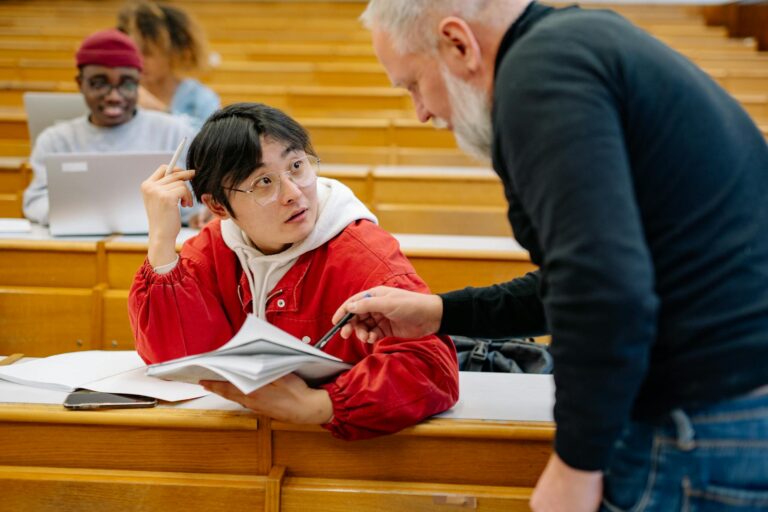
Retirement doesn’t mean the end of growth—it’s an opportunity to continue learning and expanding your horizons. Lifelong learning keeps the mind sharp and can significantly reduce stress by providing a sense of achievement and mental engagement.
Consider taking up educational courses, whether for personal interest or to learn a new skill. Many universities and online platforms offer classes tailored to retirees. This continuous learning can lead to new hobbies, potential part-time work, or simply the joy of expanding your knowledge.
By keeping the brain active and challenged, you not only ward off the stress that comes with stagnation but also enrich your life with new perspectives. Lifelong learning is an essential step towards a fulfilling and peaceful retirement, setting the stage for a life characterized by curiosity and growth.
8. Give back to the community
Retirement is an ideal time to give back, and community involvement is a powerful stress management tool. Volunteering offers a sense of purpose and the satisfaction of contributing to society. It can also provide structure to your days and foster a sense of belonging and community.
There are countless ways to get involved, from mentoring the younger generation to supporting local charities or environmental causes. This altruistic engagement not only benefits those you help but also boosts your own mental health, reducing feelings of stress and isolation.
In giving back, you create a legacy that transcends your career, enriching both your life and the lives of others.
9. Master the art of mindfulness
A key aspect of stress management in retirement is mindfulness. As we enter retirement, we often carry the weight of a lifetime’s worries and habits with us. That’s where mindfulness can be a game-changer. It’s not just a buzzword; it’s a practice that can fundamentally alter our relationship with stress.
Mindfulness is about being present in the moment, aware of our thoughts and feelings without judgment. It teaches us to respond to stress with a sense of calm and acceptance rather than anxiety and resistance.
Incorporating mindfulness into your daily routine doesn’t have to be daunting. It can be as simple as taking five minutes each day to focus on your breathing, or practicing mindful eating, savoring each bite without the distraction of TV or phones. Even routine activities like gardening or walking can become mindful exercises if approached with intention.
By embracing mindfulness, you can transform moments of potential stress into opportunities for peace and clarity. This shift in perspective has been shown to improve mental health, enhance sleep quality, and even lower blood pressure. It’s a powerful tool for anyone looking to cultivate a more tranquil retirement.
Finding balance for the journey ahead
As we conclude our exploration of stress management for a peaceful retirement, it’s crucial to reflect on the journey we’ve embarked upon. And while each of these points is a stepping stone to tranquility, there is one overarching theme that ties them all together: balance.
Balance is the key to navigating retirement with grace and peace. It’s about harmonizing the various aspects of your life to create a whole that is greater than the sum of its parts. By finding equilibrium between activity and rest, social engagement and solitude, routine and spontaneity, you pave the way for a retirement that is not just stress-free but also rich and fulfilling.
In this process of seeking balance, you might find it helpful to revisit your core values. They serve as guiding stars in making decisions that align with who you are and what you stand for. If you’re not sure where to start, I recommend my values exercise, which can assist you in identifying what’s most important to you.
Remember that retirement is not just an ending; it’s also a beginning—a chance to redefine yourself and your life on your terms. Embrace this opportunity with open arms. And if you’re finding the transition challenging, I’ve shared strategies in my video that can help you thrive through major life changes. Watch it here:

Ultimately, the best advice I can offer is this: be kind to yourself. Approach each day with curiosity and give yourself permission to grow and change. Retirement is your time to shine in ways you never expected. So take charge of this next phase with confidence and joy, knowing that every step forward is a step toward living your best life.
The journey matters as much as the destination, and how you manage stress along the way can define your experience. Embrace each moment with intention and mindfulness, and watch as your retirement unfolds into one of the most rewarding periods of your life.