There’s something almost magical about the combination of fresh air and moving your body. Sure, we all know exercise is good for us, and spending time in nature feels refreshing—but when you put the two together? That’s when the real transformation happens.
For me, it’s like hitting the reset button. Whether it’s a walk in the park, a hike through the woods, or even just stretching outside on a sunny day, I always feel calmer, clearer, and more energized afterward. And science backs this up—being active in nature doesn’t just boost your mood; it can work wonders for your mental health.
In this article, I’ll break down why nature and exercise are such a powerful duo and how they can help you feel better, think better, and live better. Let’s dive in!
1) Moving outdoors can instantly lower stress
Most people don’t realize just how powerful the combination of movement and nature can be for calming the mind.
Think about it: after a long, stressful day, how often do you feel better after a brisk walk outside or a run through a quiet park? That’s not just in your head—it’s science. Studies show that spending time in nature reduces levels of cortisol (your body’s stress hormone), while exercise helps release endorphins, the feel-good chemicals that improve your mood.
When you put them together, it’s like a double dose of relaxation. The sights, sounds, and fresh air of nature work alongside the natural stress-relieving effects of physical activity to help you feel more grounded and less overwhelmed. It’s a simple, powerful way to hit pause on life’s pressures.
2) Nature and exercise boost creativity
I can’t tell you how many times I’ve been stuck on a problem—whether it’s work-related or something personal—and the solution only came to me after I got outside and started moving. One time, I was trying to come up with a concept for a project that had me completely stumped. I spent hours staring at my screen, getting nowhere. Frustrated, I decided to go for a walk on a nearby trail.
About halfway through, as I was soaking in the sound of birds and the crunch of leaves under my feet, the perfect idea popped into my head. It felt like magic, but it wasn’t. Science shows that physical activity increases blood flow to the brain, and being in nature relaxes your mind enough to let new ideas surface.
Now, whenever I feel blocked or uninspired, I know exactly what to do: step away from the desk, lace up my shoes, and let nature and movement work their magic. It’s like having a secret weapon for creativity.
3) It improves your focus and mental clarity
Spending time in nature while being active doesn’t just make you feel good—it can actually help your brain work better. Research shows that just 20 minutes in a natural environment can significantly improve your ability to concentrate and process information.
This is because being in nature gives your brain a break from the constant stimulation of modern life. When you combine that with exercise, which increases oxygen flow to the brain and promotes the growth of new brain cells, you create the perfect environment for sharper thinking and better problem-solving. Whether it’s a quick jog through a park or a hike up your favorite trail, it’s like hitting refresh for your mind.
4) It can help fight anxiety and depression
Exercise alone is already known to reduce symptoms of anxiety and depression, thanks to the release of endorphins and other mood-boosting chemicals. But when you take that movement outside, the benefits become even more powerful. Studies have shown that spending time in green spaces can lower feelings of tension, rumination, and even symptoms of mild depression.
Related Stories from Jeanette Brown
- The retirees who age with the most life in their eyes aren’t the ones who travel the most, they’re the ones who can still be genuinely surprised by something they didn’t know on a Tuesday afternoon
- When you strip away the title, the office, the team, and the routine, what remains isn’t nothing — it’s the person you were always too busy to meet
- The version of you built around work doesn’t leave in a single moment — it fades in small disappearances: the rhythm, the urgency, the sense of being needed by people who won’t call again
Being in nature creates a sense of calm and connection, which can counteract the isolating effects of mental health struggles. Add the empowering feeling of moving your body—whether it’s a gentle walk or a challenging bike ride—and you’ve got a natural way to lift your mood. It’s not about curing everything overnight, but it’s a step that can make a real difference.
5) It reminds you that you’re part of something bigger
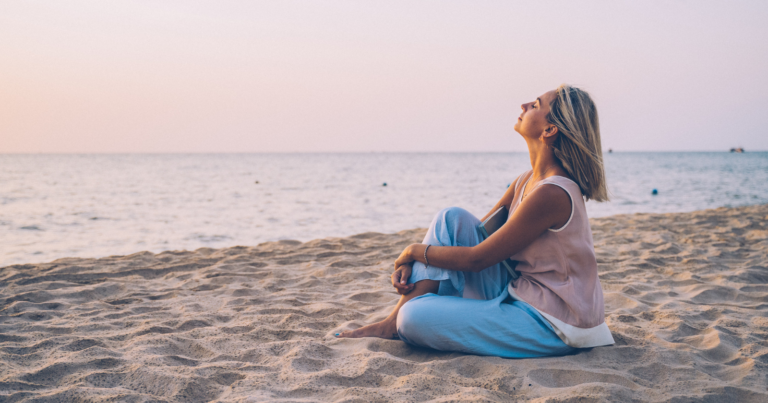
There’s something profoundly healing about being in nature. Standing beneath a canopy of trees, feeling the breeze on your skin, or watching the sun dip below the horizon—it has a way of putting things into perspective. When life feels overwhelming, being active outdoors can remind you that the world is so much bigger than the stresses and worries that weigh you down.
Moving through nature—whether it’s walking, running, or just stretching on the grass—helps you reconnect with yourself and with something greater. It’s a gentle reminder that you’re part of this vast, beautiful world, and that whatever challenges you’re facing, they’re just one piece of a much larger picture. That sense of connection can be incredibly grounding and comforting when you need it most.
6) It helps you process emotions more deeply
Sometimes, when emotions feel heavy or tangled, it’s hard to make sense of them while sitting still. But there’s something about moving through nature that allows those emotions to rise to the surface in a way that feels safe. The rhythm of walking or running, combined with the quiet stillness of natural surroundings, creates the perfect space for reflection.
There have been moments where I’ve felt sadness or frustration build up inside me, and no amount of distraction could shake it. But stepping outside—letting my feet carry me along a wooded path or an open field—helped me face those feelings instead of pushing them away. The movement became a release, and the sounds of nature felt like a quiet reassurance that it was okay to feel everything I was feeling. By the end, I didn’t have all the answers, but I always felt lighter, like I’d left some of the weight behind.
7) It boosts your self-esteem in the simplest ways
When you combine movement with being outdoors, even small actions can make you feel accomplished. Maybe it’s walking a little farther than you planned, conquering a steep hill, or just showing up for yourself when it would’ve been easier to stay inside. Each step, each breath of fresh air, builds a quiet sense of pride.
Nature doesn’t judge or set unrealistic expectations—it simply meets you where you are. And moving your body in that space, no matter how fast or slow, reminds you that you’re capable. Over time, those small wins add up, and that sense of accomplishment can ripple into other areas of your life. It’s not about perfection or performance; it’s about proving to yourself that you’re stronger than you think.
8) It’s a natural way to reconnect with yourself
In the rush of daily life, it’s easy to lose touch with who you are and what you need. But when you’re out in nature, moving your body, there’s nothing to distract you—no screens, no noise, no obligations pulling you in a hundred directions. It’s just you, the earth beneath your feet, and the rhythm of your breath.
That simplicity creates space to hear your own thoughts, to feel grounded in your body, and to remember what truly matters. Nature doesn’t ask anything of you; it simply offers a quiet place to be. And in that stillness, combined with the empowering act of movement, you can find pieces of yourself that may have been forgotten.
Bottom line: It’s where the mind and body find balance
The connection between nature, exercise, and mental health runs deeper than just feeling good in the moment—it taps into something fundamental about being human. The fresh air, the movement, the sunlight on your skin—all of it works together to create harmony between your mind and body.
Research has shown that spending time outdoors can lower cortisol levels, increase serotonin, and even improve brain function. And when you add exercise to the mix, those benefits grow exponentially. It’s not just about science; it’s about how it feels. It’s about the clarity that comes after a long walk, the peace found on a quiet trail, or the joy of watching the world wake up as you move through it.
Perhaps what makes nature and exercise so powerful isn’t just their individual benefits, but how they remind us of what we often forget: that we’re a part of something bigger. In every step, every breath, and every moment spent outside, there’s an opportunity to reset—not just physically, but mentally and emotionally too. If you listen closely, nature has a way of showing you what balance truly feels like.
Related Stories from Jeanette Brown
- The retirees who age with the most life in their eyes aren’t the ones who travel the most, they’re the ones who can still be genuinely surprised by something they didn’t know on a Tuesday afternoon
- When you strip away the title, the office, the team, and the routine, what remains isn’t nothing — it’s the person you were always too busy to meet
- The version of you built around work doesn’t leave in a single moment — it fades in small disappearances: the rhythm, the urgency, the sense of being needed by people who won’t call again
Navigating Life’s Transitions with Jeanette Brown
Jeanette Brown is here to guide you through life’s transitions.
On her YouTube channel, she offers practical advice and supportive strategies to help you manage personal and career changes effectively.
Her videos focus on fostering resilience and equipping you with the skills needed for self-coaching.
Subscribe here to start mastering your life transitions today.
Related Stories from Jeanette Brown
- The retirees who age with the most life in their eyes aren’t the ones who travel the most, they’re the ones who can still be genuinely surprised by something they didn’t know on a Tuesday afternoon
- When you strip away the title, the office, the team, and the routine, what remains isn’t nothing — it’s the person you were always too busy to meet
- The version of you built around work doesn’t leave in a single moment — it fades in small disappearances: the rhythm, the urgency, the sense of being needed by people who won’t call again
Navigating Life’s Transitions with Jeanette Brown
Jeanette Brown is here to guide you through life’s transitions.
On her YouTube channel, she offers practical advice and supportive strategies to help you manage personal and career changes effectively.
Her videos focus on fostering resilience and equipping you with the skills needed for self-coaching.
Subscribe here to start mastering your life transitions today.