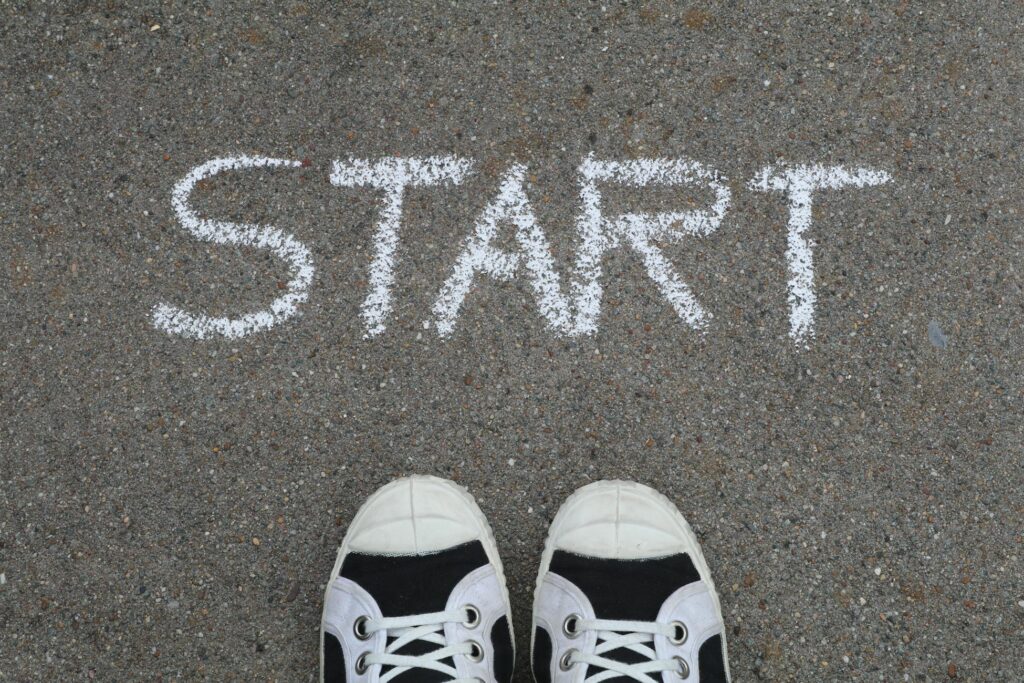
Everyone faces setbacks. It’s a universal truth of life. But, have you ever noticed how some people seem to bounce back from these setbacks quicker than others? It’s not magic or luck.
These individuals have cultivated certain habits that help them recover swiftly and come back stronger. These habits are not kept in a secret vault, but are accessible to everyone who is ready to embrace them.
I am going to share these 8 habits with you. By adopting these, not only will you be able to bounce back from hardships, but also turn them into stepping stones for success.
Remember, resilience isn’t something you’re born with, it’s something you can learn.
1) Embrace a positive mindset
A setback can either be a stumbling block or a stepping stone depending on your perspective. People who bounce back quickly from setbacks don’t necessarily have fewer problems, they just interpret them differently.
They practice positive thinking and don’t allow negative thoughts to cloud their judgment or impair their decision-making process. They acknowledge the setback but focus on the lessons it brings and the opportunities it creates.
This positive mindset is not innate. It is cultivated deliberately and consistently. It’s like a muscle that gets stronger with regular use.
So, the next time you face a setback, instead of wallowing in self-pity or despair, try to find the silver lining. Remember, every cloud has one. It might not be immediately visible, but it’s there.
And just like any new habit, it may feel unnatural at first. But with time and consistency, it will become second nature. You will not only recover from setbacks faster but also use them as a springboard for growth and success.
Remember, life isn’t about avoiding failures, but learning from them.
2) They aren’t afraid to ask for help
Asking for help isn’t a sign of weakness; it’s a sign of strength. It shows that you’re wise enough to know your limitations and brave enough to overcome them.
People who bounce back quickly understand this. They don’t isolate themselves during tough times. Instead, they seek support and use it as a tool to navigate through their setbacks more effectively.
3) They practice self-care
Self-care might seem like a modern buzzword popularized by social media influencers and wellness gurus, but its roots go far deeper. The World Health Organization recognizes self-care as a vital component of health and well-being.
People who rebound quickly from setbacks understand the importance of taking care of their physical, mental, and emotional health. They engage in regular exercise, maintain balanced diets, and ensure they get adequate sleep.
But it doesn’t just stop there. Self-care also involves taking time to relax and recharge, participating in enjoyable activities, and maintaining healthy relationships. This holistic approach to wellness helps them stay resilient in the face of adversity.
The benefits of self-care are not just about feeling good in the moment. Research shows that it enhances stress management capabilities, increases productivity, and even boosts immunity.
So when setbacks strike, they don’t hit as hard or leave as lasting an impact on those who have prioritized self-care. These individuals are better equipped to handle stress, recover faster, and come out stronger on the other side.
4) They set realistic goals
People who bounce back quickly from setbacks understand the power of goal setting. But they are not just setting any goals; they are setting SMARTER (Specific, Measurable, Achievable, Relevant, Time-bound, Exciting and Rewarding) goals.
Setting realistic goals gives them a clear direction and a purpose to strive for. It helps them to focus their efforts and keep moving forward even when faced with challenges.
But here’s the catch – they don’t just set these goals, they commit to them. They break down their larger goals into smaller, more manageable tasks and track their progress regularly. This keeps them motivated and helps them to stay on track.
For instance, if they encounter a setback in their career, instead of being overwhelmed by the big picture, they focus on the smaller steps they need to take to overcome the hurdle. This could be improving their skills, networking more, or even changing their career path.
By setting realistic goals and working towards achieving them, these individuals are able to turn setbacks into comebacks. They understand that success is not a straight line but a journey with ups and downs. And having clear, achievable goals helps them navigate this journey more effectively.
5) They practice gratitude
In the face of adversity, it’s easy to focus on what’s wrong, what’s missing, or what we’ve lost. But people who bounce back from setbacks quickly do something remarkable: they practice gratitude.
Gratitude is more than just saying “thank you”. It’s a deep-seated recognition and appreciation of the good things in life. It’s about shifting your focus from what you don’t have to appreciating what you do have.
Related Stories from Jeanette Brown
- The most alive people in their second act aren’t the busiest or the calmest — they’re the ones whose weeks clearly reflect what they actually believe matters now
- The 5 types of wealth that actually matter after 60—and why focusing on money alone quietly leaves so many people feeling unfulfilled
- 7 things retired people wish they could tell their 55-year-old selves
These individuals understand that even in the midst of setbacks, there are always things to be thankful for. They make it a habit to count their blessings, no matter how small or trivial they may seem.
They write in gratitude journals, express their appreciation to those around them and take time each day to reflect on the positive aspects of their lives. This practice of gratitude helps to foster positivity and resilience.
Gratitude doesn’t magically erase the setback, but it changes how they view it. Instead of seeing it as a catastrophic event, they see it as a temporary hurdle. This shift in perspective can make all the difference in how quickly and effectively they bounce back from setbacks.
Next time you’re faced with a setback, take a moment to reflect on the good in your life. You might be surprised at how this simple act of gratitude can help you navigate through tough times with more ease and resilience.
6) They embrace failure as a learning opportunity
I’ll be the first to admit, failure is not fun. It stings. It disappoints. It makes you question your abilities. But over the years, I’ve learned to see failure in a different light.
Failure is not as an end but a beginning. It was an opportunity to learn, grow and make better decisions in the future.
People who bounce back from setbacks quickly adopt this same mindset. They don’t fear failure; they learn from it. They understand that every setback is an opportunity for a comeback and every mistake is a lesson in disguise.
Next time you face a setback or a failure, don’t let it define you. Instead, let it teach you. Use it as a stepping stone to reach greater heights. Remember, failure is not the opposite of success; it’s part of the journey to success.
7) They maintain a strong support network
No man is an island. We all need a support system – friends, family, mentors, colleagues – people who lift us up when we’re down and offer a helping hand when we stumble.
People who bounce back quickly from setbacks understand the value of this support network. They cultivate strong, positive relationships that provide emotional support during tough times.
They aren’t afraid to lean on these relationships when they face setbacks, knowing that the encouragement, perspective, or simply a listening ear can help them navigate through tough times.
But it’s not just about receiving support. These individuals also offer support to others in their network. They understand that helping others can provide a sense of purpose and satisfaction that boosts their own resilience.
So, nurture your relationships, build your network with people who inspire and uplift you. Remember, we are stronger together. In the face of setbacks, having a strong support system can make all the difference in how quickly and effectively you bounce back.
8) They never lose sight of their ‘why’
People who bounce back quickly from setbacks are driven by a strong sense of purpose. They have a clear understanding of their ‘why’ – the core reason that drives their actions and decisions.
In the face of setbacks, this ‘why’ acts like a beacon, guiding them through the darkest hours. It provides motivation when things get tough, and resilience in the face of adversity.
Their ‘why’ could be a personal mission, a deeply held belief, or even a dream they’re passionate about. Regardless of what it is, it’s something that resonates deeply within them, providing a source of unwavering strength and determination.
If you want to bounce back quickly from setbacks, get clear on your ‘why’. It doesn’t have to be something grandiose; it just needs to be something that matters deeply to you. Once you’ve found it, hold onto it tightly. It will be your guiding light through the toughest of setbacks and your greatest source of strength in bouncing back.
Resilience: It’s a practice, not a trait
As we navigate through the often unpredictable journey of life, setbacks are inevitable. But it’s not the setback itself that defines us; it’s how we choose to respond to it.
The individuals who emerge stronger from their setbacks are not born with a special gene or an inherent ability to bounce back. Instead, they cultivate habits. They make deliberate choices every day that build their resilience over time.
They maintain a positive mindset, set realistic goals, nurture their support network, and never lose sight of their ‘why’. And they do all this while taking care of their physical, mental, and emotional well-being.
Resilience, then, is not a trait that you either have or don’t have. It is a practice. It’s a muscle that you can build, and like any other muscle, it gets stronger with regular use.
So next time you face a setback, remember: You have within you the power to bounce back. It may not be easy or quick, but with each step you take, each habit you cultivate, you’re building your resilience muscle.
You’re equipping yourself with the tools to not just face setbacks but to thrive in spite of them. And that is what makes all the difference.
So take a moment to reflect on these habits. Consider how you can integrate them into your life. After all, resilience is not just about bouncing back from setbacks; it’s about growing through them.
Related Stories from Jeanette Brown
- The most alive people in their second act aren’t the busiest or the calmest — they’re the ones whose weeks clearly reflect what they actually believe matters now
- The 5 types of wealth that actually matter after 60—and why focusing on money alone quietly leaves so many people feeling unfulfilled
- 7 things retired people wish they could tell their 55-year-old selves
Feeling lost or unfulfilled?
Jeanette Brown’s “Your Life Review” video is designed to help you identify key areas in your life that need improvement.
Through a simple yet powerful exercise, you’ll assess your current satisfaction across different life domains, allowing you to pinpoint specific areas for growth.
This life review forms the foundation for creating a clear vision, setting aligned goals, and developing a personalized action plan.
Take the first step towards a more satisfying life. Start your Life Review now and gain immediate access to this transformative exercise.