Living life in the fast lane can be exhilarating, but it’s often exhausting. That’s why more and more people are embracing the slow living philosophy.
Slow living is all about creating a mindful and meaningful life, savouring instead of rushing. This is not about being lazy, but about being deliberate in our actions.
Incorporating this philosophy into your daily life is easier than you think. And I’m here to show you how, with eight simple habits.
Below is a rundown of my personal “8 daily habits that embody the slow living philosophy”. These habits have transformed my life, and I believe they can do the same for you.
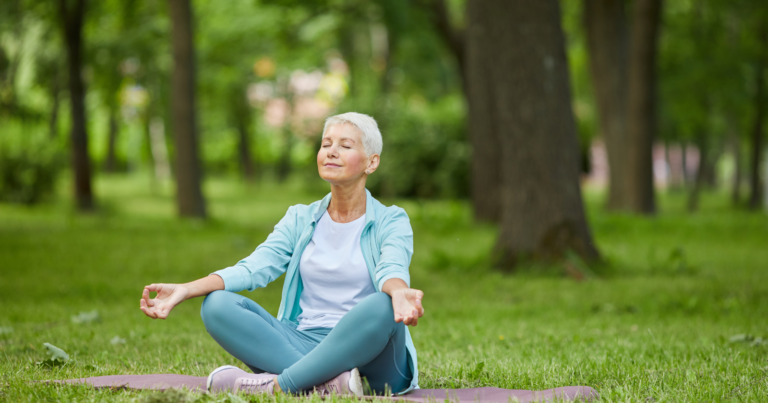
1) Embrace silence
We live in a noise-filled world. Whether it’s the constant ping of notifications, the hum of traffic, or the chatter of people around us, it’s rare to find a moment of complete silence.
But silence, it turns out, is a powerful tool for slow living.
In silence, we are able to connect with our thoughts and feelings. We give ourselves the space to reflect and understand what truly matters to us.
It might feel odd at first to welcome silence into your day. But trust me, once you do, you’ll start noticing the benefits. You’ll feel calmer, more focused, and more in tune with your own needs and desires.
So, make it a daily habit to create moments of silence in your life. It could be as simple as turning off your phone for an hour, sitting quietly with a cup of tea, or going for a peaceful walk in nature.
Embrace the silence and let it guide you towards slow living.
2) Practice mindful eating
Mindful eating is about fully focusing on the experience of eating and enjoying each bite. It’s about savouring the flavours, textures, and aromas of your food. And most importantly, it’s about listening to your body’s cues for hunger and fullness.
I started by simply turning off all distractions during meal times. I sat at the dining table, took deep breaths before starting my meal, and truly savoured each bite.
The result? I started enjoying my food more, I felt more satisfied after each meal, and I even started making healthier food choices.
Try incorporating mindful eating into your daily routine. It might take some getting used to, but it’s a beautiful way to slow down and truly appreciate the food you eat.
3) Connect with nature
In today’s digital age, we spend more time indoors than ever before. But stepping outside and connecting with nature is a fundamental part of slow living.
Nature has a unique way of grounding us and reminding us of our place in the wider world. The simple act of walking barefoot on the grass, listening to the birds, or watching the sunset can have a profound effect on our wellbeing.
Studies have shown that spending time in nature can reduce stress, increase happiness, and even boost our immune system.
Make it a habit to spend some time outdoors every day. You could go for a walk in the park, have your lunch in the garden, or simply sit by a window and observe the world outside. You’ll be surprised at how much peace and calm it brings to your day.
4) Prioritize quality over quantity
In our consumer-driven society, it’s easy to fall into the trap of wanting more and more. But the slow living philosophy encourages us to value quality over quantity.
Whether it’s the clothes we wear, the food we eat, or the items we choose to decorate our homes with, choosing quality items that last longer is not only better for our wallets but also for the environment.
This also applies to our time. Instead of trying to cram as many activities into our day as possible, slow living encourages us to choose a few meaningful activities that truly add value to our lives.
So, take a step back and evaluate. Are you choosing quantity over quality in any area of your life? If so, consider making a change. Choose fewer, but better things. And spend your time on activities that truly matter to you.
Related Stories from Jeanette Brown
- The older some people get, the more they realize the job wasn’t just a job — it was the container that held their friendships, their routine, and their reason to get up
- The most alive people in their second act aren’t the busiest or the calmest — they’re the ones whose weeks clearly reflect what they actually believe matters now
- Quote from Richard Leider: ‘The purpose of life is to live a life of purpose’ — and retirement is where that principle either saves you or exposes the gap you’ve been avoiding
5) Cultivate gratitude
In our pursuit of more – more success, more possessions, more experiences – it’s easy to lose sight of what we already have. But one of the cornerstones of slow living is cultivating a sense of gratitude.
Gratitude helps us appreciate the simple joys in life. It shifts our focus from what’s missing to what’s present.
Every day, I make it a point to write down three things I’m grateful for. It could be as simple as a delicious meal, a warm hug from a loved one, or the sight of the sun setting. This simple practice has helped me realize that happiness often lies in the little things.
So, start your own gratitude practice. Take a few moments each day to reflect on what you’re grateful for. You’ll be amazed at how this simple habit can fill your life with joy and contentment.
6) Say no more often
This was a tough one for me. I’m a people-pleaser by nature, always wanting to help and never wanting to let anyone down. But I realized that by saying yes to everything, I was spreading myself too thin and not giving my best to anything.
Slow living involves making conscious choices about your time and energy. It means realizing that you can’t do everything, and that’s okay.
Learning to say no was a game-changer for me. It allowed me to focus on what truly mattered, and gave me the time and space to enjoy those things fully.
Remember, every time you say yes to something, you’re saying no to something else. So think carefully about your commitments and learn to say no more often. It’s not easy, but it’s worth it.
7) Unplug regularly
We live in a hyper-connected world. Our phones, tablets, and computers are constantly buzzing with notifications, keeping us plugged into the digital world 24/7. But this constant connectivity can leave us feeling drained and distracted.
Slow living is about disconnecting to reconnect. It’s about taking regular digital detoxes to recharge and refocus.
Try setting aside specific times in your day when you switch off all your devices. It could be during meal times, the hour before bed, or even a whole day over the weekend.
You’ll be surprised at how much more time you have when you’re not constantly checking your phone. And you’ll find that by unplugging regularly, you’re able to connect more deeply with yourself and the people around you.
8) Be present
This is, perhaps, the most important aspect of slow living. Being present means fully engaging with whatever you’re doing at the moment.
It’s not about dwelling on the past or worrying about the future. It’s about immersing yourself in the here and now.
When you’re present, you notice the world around you more vividly. You listen more actively. You appreciate more deeply.
So, whatever you’re doing – whether it’s washing the dishes, reading a book, or spending time with loved ones – try to be fully there. Not just physically, but mentally and emotionally as well.
Being present isn’t always easy, especially in our fast-paced world. But with practice, it becomes a habit. And it’s a habit that can transform your life.
Final thoughts: It’s about intention
The beauty of slow living lies in its simplicity. It’s not about grand gestures or drastic changes. Instead, it’s about small, intentional steps taken consistently over time.
At its heart, slow living is a conscious choice to step out of the fast lane and take the scenic route instead. It’s about savoring the journey as much as the destination.
These eight habits aren’t rules set in stone. They’re simply suggestions, intended to help you find your own path towards a slower, more mindful way of life.
So, as you move forward, remember that slow living isn’t a destination. It’s a way of life. And the beauty of it is that you get to decide what that looks like for you.
After all, life isn’t a race. It’s a journey to be savored. So why not take the time to enjoy the view?
Related Stories from Jeanette Brown
- The older some people get, the more they realize the job wasn’t just a job — it was the container that held their friendships, their routine, and their reason to get up
- The most alive people in their second act aren’t the busiest or the calmest — they’re the ones whose weeks clearly reflect what they actually believe matters now
- Quote from Richard Leider: ‘The purpose of life is to live a life of purpose’ — and retirement is where that principle either saves you or exposes the gap you’ve been avoiding
Feeling lost or unfulfilled?
Jeanette Brown’s “Your Life Review” video is designed to help you identify key areas in your life that need improvement.
Through a simple yet powerful exercise, you’ll assess your current satisfaction across different life domains, allowing you to pinpoint specific areas for growth.
This life review forms the foundation for creating a clear vision, setting aligned goals, and developing a personalized action plan.
Take the first step towards a more satisfying life. Start your Life Review now and gain immediate access to this transformative exercise.
Related Stories from Jeanette Brown
- The older some people get, the more they realize the job wasn’t just a job — it was the container that held their friendships, their routine, and their reason to get up
- The most alive people in their second act aren’t the busiest or the calmest — they’re the ones whose weeks clearly reflect what they actually believe matters now
- Quote from Richard Leider: ‘The purpose of life is to live a life of purpose’ — and retirement is where that principle either saves you or exposes the gap you’ve been avoiding
Navigating Life’s Transitions with Jeanette Brown
Jeanette Brown is here to guide you through life’s transitions.
On her YouTube channel, she offers practical advice and supportive strategies to help you manage personal and career changes effectively.
Her videos focus on fostering resilience and equipping you with the skills needed for self-coaching.
Subscribe here to start mastering your life transitions today.