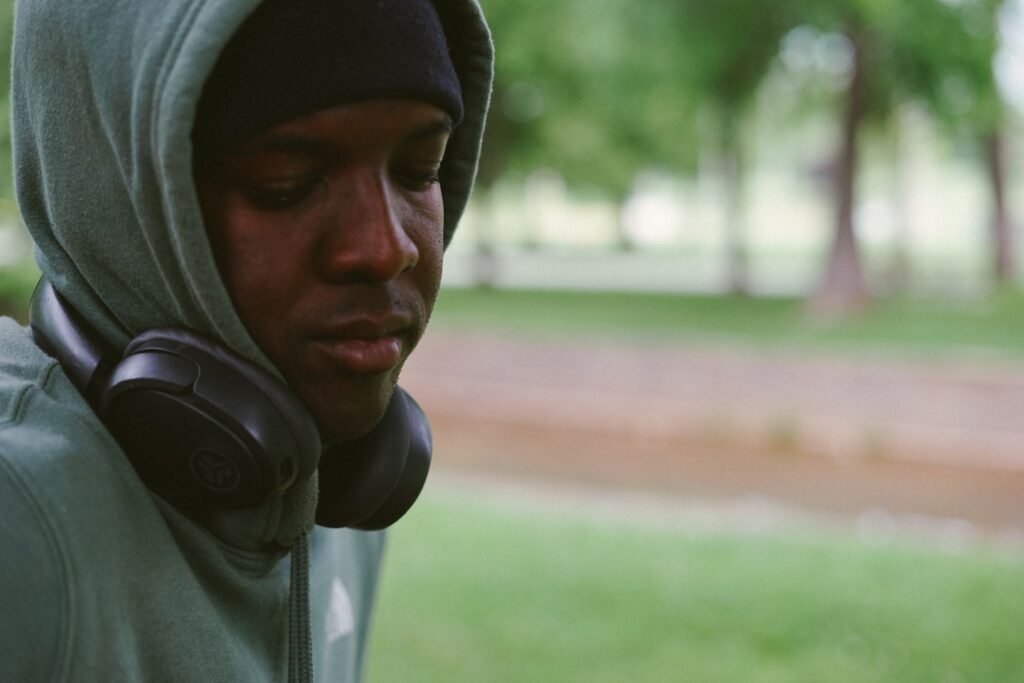
There’s something quietly powerful about a successful person’s morning routine. It’s not necessarily the 5 AM wake-up calls or the perfectly curated smoothies—though for some, those matter. What really sets these people apart is their mindset. It’s the quiet determination to make each morning a foundation, not just a checklist.
Over the years, I’ve met a wide range of successful people—from media entrepreneurs and bestselling authors to marathon runners and therapists. And one pattern I’ve consistently seen is this: people who are always moving forward in life don’t just let their mornings happen to them. They design them.
Here are 8 powerful morning habits I’ve observed in people who keep growing, keep creating, and keep showing up—even when life throws curveballs.
1. They get up with intention—not urgency
The most grounded and forward-moving people I know don’t wake up reacting to alarms, emails, or other people’s needs. They wake up and pause.
It’s not always a drawn-out meditation or journaling session. Sometimes it’s just a moment—feet on the floor, breath in the nose, an acknowledgment of the day ahead.
That pause creates a powerful mental shift. Instead of being tossed into reactivity, they enter the day with presence and control.
Try this tomorrow: Before reaching for your phone, sit on the edge of the bed, breathe deeply, and ask yourself, “What do I want today to feel like?”
2. They protect the first hour like it’s sacred
There’s something deeply psychological about the first hour of the day. It sets the tone for everything that follows.
Successful people often use this hour for a mix of calm and preparation: light movement, quiet coffee, a quick glance at goals. They avoid jumping into the noise—no doom-scrolling, no inbox firefighting.
Think of the first hour as mental real estate. If you rent it out to chaos, stress will be your tenant all day.
3. They move their bodies—even just a little
We often imagine successful people hitting the gym at 5 AM and doing cold plunges afterward. But the reality is more nuanced.
Those who sustain success over time tend to focus on consistency over intensity. Some do yoga. Some take a walk. Some stretch beside the bed with a glass of water in hand.
It’s not about optimizing the body—it’s about signaling to the brain: I’m here. I’m awake. I’m moving forward.
As someone who used to run every morning before an injury forced me to rethink my habits, I’ve found that even 10 minutes of cycling on a stationary bike at home makes a huge difference in my focus and emotional resilience.
4. They check in with their mind—not just their schedule
One habit I’ve come to value deeply is this: taking a moment each morning to check in with how I’m actually doing.
Not how productive I should be. Not what’s on the calendar. But how I feel—physically, emotionally, mentally.
If I wake up feeling off, I don’t push it down. I acknowledge it. I adjust. I ask myself, “What would be kind to myself this morning?”
This kind of inner check-in is something I talk about at length in my book, Hidden Secrets of Buddhism: How to Live with Maximum Impact and Minimum Ego. Many of us are chasing success without realizing that self-awareness is the quiet engine behind all long-term growth. Morning rituals aren’t just external—they’re internal.
5. They review their goals—not their social media
Successful people have a strange kind of optimism: they remember what they’re working toward.
It’s not that they never feel discouraged. They just don’t allow the noise of the world to drown out their personal “why.”
That’s why many review their goals—big or small—each morning. It might be a quick glance at a sticky note on the fridge. It might be a visualization of where they want to be in 6 months. It might even be a question: “What’s one step I can take today that my future self will thank me for?”
Related Stories from Jeanette Brown
- The older some people get, the more they realize the job wasn’t just a job — it was the container that held their friendships, their routine, and their reason to get up
- The most alive people in their second act aren’t the busiest or the calmest — they’re the ones whose weeks clearly reflect what they actually believe matters now
- Quote from Richard Leider: ‘The purpose of life is to live a life of purpose’ — and retirement is where that principle either saves you or exposes the gap you’ve been avoiding
This habit reinforces momentum. It reconnects us to purpose. And in a world of endless distraction, that’s a serious advantage.
6. They do one thing without multitasking
There’s a kind of quiet magic in doing just one thing in the morning with your full attention.
Maybe it’s making coffee while listening to birds. Maybe it’s brushing your teeth slowly, instead of doom-scrolling while doing it. Maybe it’s feeding your dog while talking to her like she understands everything (guilty).
The point is: the ability to be fully present in even the most mundane moment is a skill—and successful people practice it first thing in the morning.
It’s also a powerful antidote to the “never enough” mentality that often drives burnout.
7. They choose their input carefully
Successful people are surprisingly choosy about what they allow into their brains in the morning.
While most people wake up to a flood of news, texts, and social media, forward-movers are more strategic. They might listen to a podcast while walking. Or read a few pages of a book that inspires them. Or just choose silence.
Here’s the truth: your mind is most suggestible in the morning. That means what you consume becomes your emotional set point for the day.
If you start with anxiety-inducing headlines or comparison-driven Instagram stories, don’t be surprised if you feel overwhelmed by noon.
8. They ask one powerful question: “Who do I want to be today?”
This habit is subtle—but incredibly potent.
It’s easy to be ruled by to-do lists. But successful people flip the script. Instead of what they need to do, they ask who they want to be.
Confident? Kind? Creative? Resilient?
That identity-focused framing shapes the how of your day, not just the what. It shifts you out of autopilot and into conscious action.
Personally, I find this question more powerful than any productivity hack. Because when you begin the day by choosing who you want to be, you take back the steering wheel.
Final thoughts: The secret isn’t the habits—it’s the energy behind them
You’ve probably noticed something by now: these habits aren’t complicated. They don’t require wealth, fame, or even extraordinary discipline. What they require is presence.
The most successful people I know don’t treat the morning as a time to dominate, compete, or impress. They treat it as a foundation—a quiet practice of showing up for themselves so they can better show up for the world.
If you’re looking for a deeper dive into how ancient wisdom can support that kind of presence, I explore this in Hidden Secrets of Buddhism: How to Live with Maximum Impact and Minimum Ego. The book offers a lens into how success and inner peace don’t have to be at odds. In fact, they can fuel each other.
So tomorrow morning, don’t just get up and go. Get up and arrive.
Even if all you do is breathe, notice the light, and ask yourself, “Who do I want to be today?”—that’s enough.
Because forward momentum isn’t built in dramatic leaps. It’s built in the quiet, conscious moments we choose again and again.
Related Stories from Jeanette Brown
- The older some people get, the more they realize the job wasn’t just a job — it was the container that held their friendships, their routine, and their reason to get up
- The most alive people in their second act aren’t the busiest or the calmest — they’re the ones whose weeks clearly reflect what they actually believe matters now
- Quote from Richard Leider: ‘The purpose of life is to live a life of purpose’ — and retirement is where that principle either saves you or exposes the gap you’ve been avoiding
Feeling lost or unfulfilled?
Jeanette Brown’s “Your Life Review” video is designed to help you identify key areas in your life that need improvement.
Through a simple yet powerful exercise, you’ll assess your current satisfaction across different life domains, allowing you to pinpoint specific areas for growth.
This life review forms the foundation for creating a clear vision, setting aligned goals, and developing a personalized action plan.
Take the first step towards a more satisfying life. Start your Life Review now and gain immediate access to this transformative exercise.
Related Stories from Jeanette Brown
- The older some people get, the more they realize the job wasn’t just a job — it was the container that held their friendships, their routine, and their reason to get up
- The most alive people in their second act aren’t the busiest or the calmest — they’re the ones whose weeks clearly reflect what they actually believe matters now
- Quote from Richard Leider: ‘The purpose of life is to live a life of purpose’ — and retirement is where that principle either saves you or exposes the gap you’ve been avoiding
Feeling lost or unfulfilled?
Jeanette Brown’s “Your Life Review” video is designed to help you identify key areas in your life that need improvement.
Through a simple yet powerful exercise, you’ll assess your current satisfaction across different life domains, allowing you to pinpoint specific areas for growth.
This life review forms the foundation for creating a clear vision, setting aligned goals, and developing a personalized action plan.
Take the first step towards a more satisfying life. Start your Life Review now and gain immediate access to this transformative exercise.