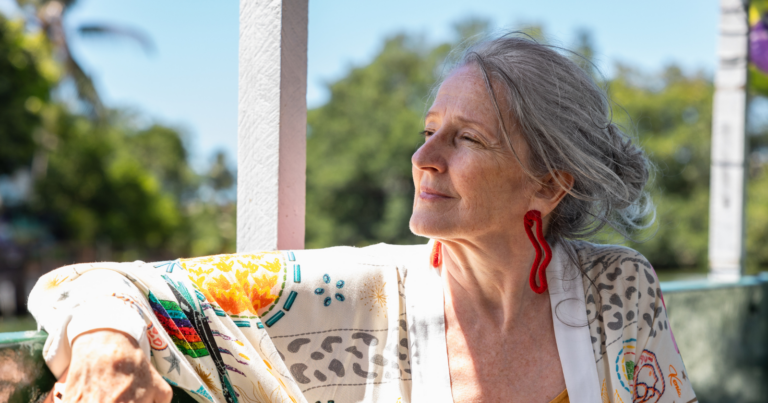
There’s no universal scoreboard for life.
Some people measure success by the size of their bank account, others by the legacy they leave behind, and some by how often they smile on a Tuesday morning.
But if you’ve hit 60 and you’re wondering where you stand, here’s a refreshing thought: success doesn’t have to be flashy. In fact, some of the most meaningful achievements are the quiet ones—felt more deeply than they’re ever seen.
So, if you’ve checked off these five things by the time you hit your sixties, I’d argue you’re not just doing fine—you’re winning at life.
Let’s get into it.
1. You’ve cultivated deep, authentic relationships
At 60, your social circle might look very different than it did at 30.
Some friends fade away, others stay, and a few new ones come in when you least expect it. But here’s the real question: do you have people in your life you can truly be yourself around?
Whether it’s a partner, a lifelong friend, or your adult children—you’re winning if:
-
You’ve learned to love and be loved without conditions.
-
You can pick up the phone, share a laugh, or cry in someone’s presence without judgment.
-
You’ve let go of toxic ties, even when it was painful.
Psychologists have long pointed to the importance of social bonds for long-term well-being. The Harvard Study of Adult Development—one of the longest-running studies on happiness—found that good relationships were the single biggest predictor of health and fulfillment as we age.
So if you’ve got even a handful of people who truly see you—and you see them—you’ve already won more than most.
Ask yourself: Who do I call when something good—or bad—happens? Who truly knows the real me?
2. You’ve made peace with your past
By 60, life has probably thrown a few curveballs.
Maybe you made decisions you regret. Hurt people. Got hurt. Took a path that didn’t work out. Or maybe you lived a life others expected of you before carving your own way later.
Winning at life doesn’t mean having a perfect track record. It means learning from the past, forgiving yourself (and others), and not letting old wounds define your present.
There’s a quiet strength in looking back and saying:
-
“I did the best I could with what I knew.”
-
“That chapter hurt, but it helped me grow.”
-
“I no longer need to carry this.”
Making peace doesn’t mean forgetting—it means softening the edges so your past no longer steals joy from your present.
As the Buddha once said, “You can’t travel the path until you become the path.” If you’ve managed to integrate your experiences—good, bad, and everything in between—you’re not just surviving. You’re evolving.
Ask yourself: Is there anything I still blame myself for that I’m ready to release?
3. You’ve found something that gives you purpose
By 60, you might be retired. Or you might still be working. Maybe you’ve raised children, launched a business, cared for someone through illness, or contributed quietly to your community.
But beyond roles and titles, have you found a reason to get up in the morning?
Purpose doesn’t have to be grand. You don’t need to save the planet. Sometimes, purpose is found in:
-
Taking care of a garden and watching it bloom.
-
Mentoring someone who looks up to you.
-
Writing your thoughts in a journal that nobody else will ever read.
Having a sense of purpose has been linked with better physical health, longer life spans, and even lower rates of cognitive decline.
And here’s the thing: purpose often shifts over time. What gave your life meaning at 30 may not hold the same weight at 60. But if you’ve stayed curious enough to keep searching—and humble enough to reinvent yourself when needed—you’re doing better than most.
Related Stories from Jeanette Brown
- The most alive people in their second act aren’t the busiest or the calmest — they’re the ones whose weeks clearly reflect what they actually believe matters now
- The 5 types of wealth that actually matter after 60—and why focusing on money alone quietly leaves so many people feeling unfulfilled
- 7 things retired people wish they could tell their 55-year-old selves
Ask yourself: What makes me feel useful, alive, or connected to something bigger than myself?
4. You’ve taken care of your health—not perfectly, but intentionally
Let’s face it—our bodies change.
Maybe your knees don’t bend like they used to. Maybe you’ve got a few more pills in the medicine cabinet. That’s life. But winning at 60 doesn’t mean having the blood pressure of a 25-year-old.
It means having awareness of your health, respect for your body, and the discipline to take care of it.
That might look like:
-
Moving your body every day, even if it’s just a walk.
-
Getting regular checkups, not waiting for a crisis.
-
Saying no to things (and people) that drain you.
-
Eating in a way that supports your energy, not your ego.
And it’s not just physical. Mental and emotional health matter just as much—arguably more. If you’ve developed coping strategies, built emotional resilience, and know when to ask for help—you’ve cultivated real strength.
As Buddhist psychology reminds us, “The mind is everything. What you think, you become.” If you’ve protected your peace, preserved your joy, and honored your limits, you’ve taken care of the most important home you’ll ever live in—yourself.
Ask yourself: Am I treating my body and mind like they matter?
5. You’ve learned how to truly enjoy your own company
This one is subtle. But powerful.
By 60, most people have spent decades rushing—working, parenting, chasing, achieving. But eventually, the noise fades. The kids grow up. The career slows down. And what’s left is… you.
Are you comfortable in that silence?
If you can sit with yourself—without distraction, without judgment—and feel a quiet contentment, then you’ve reached a place many never do.
True happiness, as many spiritual traditions suggest, isn’t found in constant stimulation. It’s found in presence. In peace. In the ordinary.
So if you’ve learned to enjoy your mornings with a cup of tea, appreciate a quiet afternoon nap, or walk by the river without needing to document it for anyone—you’ve tapped into something most people spend their whole lives searching for.
Ask yourself: Can I be alone without feeling lonely? Can I be still without needing to be somewhere else?
Final thoughts: the real scoreboard is internal
If you’ve ticked off these five things by the time you’re 60, here’s the truth:
You’ve cultivated a life rich in meaning, connection, and peace.
That doesn’t mean it’s been easy. It means you’ve done the work—internally and externally—to grow into someone you can be proud of.
You’ve built relationships that matter. You’ve made peace with your past. You’ve stayed curious, kind, and committed to something beyond yourself. You’ve honored your health, even when it was inconvenient. And you’ve learned to enjoy your own company—perhaps the rarest skill of all.
That, my friend, is winning.
Not by anyone else’s standards—but by the ones that actually count.
And that’s the only scoreboard worth keeping.
Related Stories from Jeanette Brown
- The most alive people in their second act aren’t the busiest or the calmest — they’re the ones whose weeks clearly reflect what they actually believe matters now
- The 5 types of wealth that actually matter after 60—and why focusing on money alone quietly leaves so many people feeling unfulfilled
- 7 things retired people wish they could tell their 55-year-old selves
Feeling lost or unfulfilled?
Jeanette Brown’s “Your Life Review” video is designed to help you identify key areas in your life that need improvement.
Through a simple yet powerful exercise, you’ll assess your current satisfaction across different life domains, allowing you to pinpoint specific areas for growth.
This life review forms the foundation for creating a clear vision, setting aligned goals, and developing a personalized action plan.
Take the first step towards a more satisfying life. Start your Life Review now and gain immediate access to this transformative exercise.