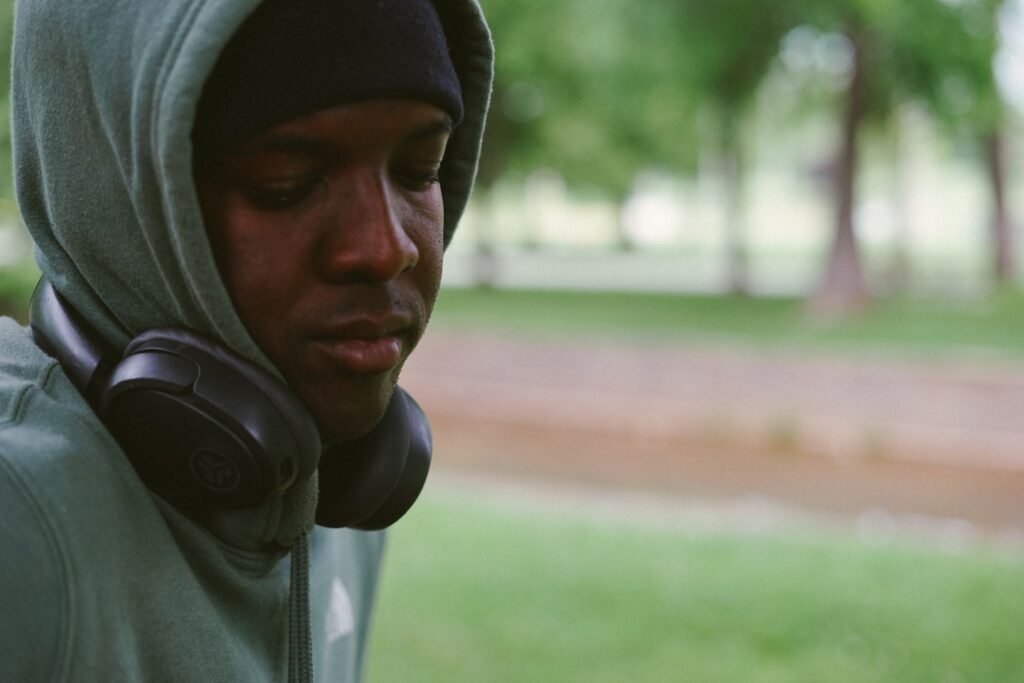
In our quest to forge meaningful connections, body language speaks volumes.
The subtle gestures, expressions, and postures we exhibit can either bridge or widen the gap between us and others. Mastering the art of nonverbal communication is a powerful tool in enhancing our relationships, both personal and professional.
Acknowledging the nuances of body language can transform how we interact. As we learn to interpret and adjust our own signals, we open doors to deeper understanding and rapport. With just a few tweaks, our nonverbal cues can express empathy, openness, and confidence—key ingredients for strong connections.
Time is essential in honing these skills; they develop through observation, practice, and patience. Support from those around us also plays a crucial role, as they can provide feedback and insights that are invaluable in our journey of self-improvement.
Setting realistic goals for our body language can make this process less daunting. It’s about incremental progress rather than overnight perfection. Flexibility is paramount—we must be willing to adapt and refine our approach as we gain new experiences.
Taking care of our overall well-being is also vital. A relaxed and healthy state of mind often naturally improves our body language, making it more inviting and genuine. Reflecting on our interactions allows us to learn from each encounter, continually shaping us into better communicators.
1. The power of a genuine smile
A smile is the universal language of welcome, transcending cultural and linguistic barriers. It’s the simplest yet most powerful tool you have to show openness and warmth. When you smile genuinely, it’s not just your mouth that moves; your eyes light up, creating an inviting aura that draws people in. This non-verbal cue signals that you’re friendly and approachable, setting the stage for positive interactions.
But don’t underestimate the ripple effect of a smile—its impact goes beyond the initial moment of connection. It can set a positive tone for the entire conversation, fostering an environment where openness leads to more meaningful exchanges. Remember, your smile should be sincere. People can easily distinguish between a genuine smile and a forced one, and authenticity is key to forging true connections.
2. Eye contact: the window to connection
Eye contact is a powerful channel of human connection, a silent exchange that speaks volumes. When you meet someone’s gaze, it conveys confidence and interest, signaling that you are fully present and engaged. However, it’s a delicate balance; too little may seem evasive, while too much can feel confrontational. Aim for a soft focus that respects boundaries yet demonstrates your attentiveness.
This dance of the eyes is part of the intricate web of social signals. It enhances trust and establishes a mutual acknowledgment that can lead to deeper rapport. As we continue to explore body language signals, remember that each one adds a layer to your interpersonal toolkit. Up next, we’ll uncover how mirroring gestures can create synchrony in dialogue and build stronger connections.
3. Mirroring gestures to synchronize understanding
Mirroring is the subtle art of echoing someone’s body language, fostering a sense of harmony and rapport. When you subtly reflect the gestures of the person you’re engaging with, it signals empathy and understanding. It’s not about imitation but about natural, unconscious synchronization that says, “I’m with you.”
This non-verbal mimicry can bridge gaps, making others feel at ease and understood. It’s a silent affirmation that you are on the same wavelength, which can be particularly reassuring during first meetings or tough conversations. As we move forward, let’s consider how your posture can further convey confidence and openness in your interactions.
4. Posture speaks before you do
Your posture is a silent announcer of your intent and attitude. Standing or sitting with an upright, open stance communicates confidence and receptivity. Slumping or closing off your body, on the other hand, can signal disinterest or defensiveness. By maintaining a posture that suggests you’re willing to engage, you invite others to interact with you.
The space you occupy and how you fill it also affects how others perceive and respond to you. Expansive poses can express dominance and authority, while smaller ones may convey the opposite. Striking a balance that exudes approachability without compromising your presence is key. Next, we’ll explore how nodding at the right moments can affirm your attentiveness and encourage dialogue.
Related Stories from Jeanette Brown
- The older some people get, the more they realize the job wasn’t just a job — it was the container that held their friendships, their routine, and their reason to get up
- The most alive people in their second act aren’t the busiest or the calmest — they’re the ones whose weeks clearly reflect what they actually believe matters now
- Quote from Richard Leider: ‘The purpose of life is to live a life of purpose’ — and retirement is where that principle either saves you or exposes the gap you’ve been avoiding
5. Nodding to affirm and encourage
A nod goes beyond a simple agreement—it’s an active listening tool that encourages the speaker to continue. This small gesture can make a significant impact by showing that you are engaged and value what’s being said. It’s like saying “I’m with you” without interrupting the flow of conversation.
Timely nods can also convey empathy and understanding, helping to strengthen the bond between you and the person you’re communicating with. As we continue to build on our body language skills, our next focus will be on the subtle cues your hands convey and how to use them to enhance your message.
6. Hand gestures for clarity and emphasis
Your hands are powerful tools for reinforcing your message. Well-timed gestures can highlight key points and help visualize your thoughts, making your communication more memorable and engaging. Open palm gestures suggest honesty and openness, while pointing or closed fists can appear aggressive.
By aligning your hand movements with your words, you create a cohesive narrative that captivates your listener. It’s about complementing your verbal message with visual emphasis, bridging the gap between hearing and understanding. Next, we’ll delve into how the space you maintain during interactions—the art of proxemics—plays a crucial role in connection and comfort levels.
7. Proxemics: navigating personal space
Proxemics, the study of personal space and how it affects our communication, is crucial in connecting with others. The distance you keep can communicate levels of intimacy, trust, and comfort. Too close may intrude, too far may alienate. Finding that sweet spot where the person you’re interacting with feels comfortable is key to effective communication.
Being mindful of cultural differences and individual preferences when it comes to personal space can prevent misunderstandings. It’s about respecting boundaries while also being close enough to engage meaningfully. With this understanding of proxemics, you are now equipped with a robust set of body language tools to enhance your connections with others. Let’s move forward, applying these insights to foster stronger, more empathetic interactions in all areas of life.
8. The subtleties of vocal tone and pacing
While not strictly visual, the nuances of your voice are a crucial aspect of body language. Your tone, inflection, and the pace at which you speak can all reinforce or undermine the words you choose. A warm, steady voice invites trust and shows confidence, while a shaky or monotonous tone might convey uncertainty or disinterest.
Paying attention to how you say things—modulating your voice for emphasis, slowing down for impact, or varying your pitch to maintain interest—can greatly improve how your message is received. It’s the final piece in the puzzle of body language, rounding out your ability to communicate effectively and connect with others on a deeper level. With these eight signals in mind, you’re now better equipped to engage with the world around you, building relationships that are both fulfilling and authentic.
Embracing body language for meaningful connections
Throughout this article, we’ve explored the power of body language and its impact on our ability to connect with others. From the inviting warmth of a genuine smile to the reassuring affirmation of a nod, each gesture carries weight in the silent conversations we have every day. We’ve learned that a proper posture can exude confidence, while our proximity to others can signal comfort and respect. Moreover, the artful dance of mirroring gestures helps create a harmonious dialogue, and our hands can emphasize our spoken words with clarity.
These eight signals are more than just actions; they’re reflections of our inner states and intentions. By becoming aware of these non-verbal cues, we can foster deeper relationships, build trust, and engage in more fulfilling interactions. It’s about creating a space where both you and those around you feel understood and valued.
As we close this journey into the realm of body language, I encourage you to practice these signals mindfully. Observe your interactions and adjust your approach as you learn what resonates with others. Remember, your aim is not to manipulate but to communicate authentically and create genuine rapport.
It’s not just about what you say, but how you say it; your entire being communicates. Remember, the subtle art of body language is a journey—not just for better connections but for personal growth as well. As you refine your non-verbal communication skills, you’ll discover more about yourself and how you relate to the world. This self-awareness is invaluable; it’s part of embracing the full spectrum of human interaction.
Connecting with others is an essential aspect of living a fulfilled life. These eight body language signals are your tools to unlock richer, more meaningful engagements. Use them wisely, practice regularly, and watch as your relationships transform before your eyes.
Related Stories from Jeanette Brown
- The older some people get, the more they realize the job wasn’t just a job — it was the container that held their friendships, their routine, and their reason to get up
- The most alive people in their second act aren’t the busiest or the calmest — they’re the ones whose weeks clearly reflect what they actually believe matters now
- Quote from Richard Leider: ‘The purpose of life is to live a life of purpose’ — and retirement is where that principle either saves you or exposes the gap you’ve been avoiding
Navigating Life’s Transitions with Jeanette Brown
Jeanette Brown is here to guide you through life’s transitions.
On her YouTube channel, she offers practical advice and supportive strategies to help you manage personal and career changes effectively.
Her videos focus on fostering resilience and equipping you with the skills needed for self-coaching.
Subscribe here to start mastering your life transitions today.
Related Stories from Jeanette Brown
- The older some people get, the more they realize the job wasn’t just a job — it was the container that held their friendships, their routine, and their reason to get up
- The most alive people in their second act aren’t the busiest or the calmest — they’re the ones whose weeks clearly reflect what they actually believe matters now
- Quote from Richard Leider: ‘The purpose of life is to live a life of purpose’ — and retirement is where that principle either saves you or exposes the gap you’ve been avoiding
Feeling lost or unfulfilled?
Jeanette Brown’s “Your Life Review” video is designed to help you identify key areas in your life that need improvement.
Through a simple yet powerful exercise, you’ll assess your current satisfaction across different life domains, allowing you to pinpoint specific areas for growth.
This life review forms the foundation for creating a clear vision, setting aligned goals, and developing a personalized action plan.
Take the first step towards a more satisfying life. Start your Life Review now and gain immediate access to this transformative exercise.