Loneliness—a feeling we all experience at some point. But did you know that as some folks age, they unknowingly develop habits that actually amplify their sense of isolation?
Many of us know someone who seems to get lonelier as they get older. But often, these people aren’t aware of the behaviors they’re exhibiting that might be exacerbating their loneliness.
In this article, we’re going to explore the 8 common behaviors that might be making people feel more isolated as they age—without them even realizing it. So, stick around, you might just spot something that could help you or a loved one.
1) Deepening introspection
The journey of life brings many challenges to us all. Underneath our external circumstances, it’s our internal world—our thoughts, feelings and attitudes—that count. How we navigate this inner landscape can drive everything that matters in our lives.
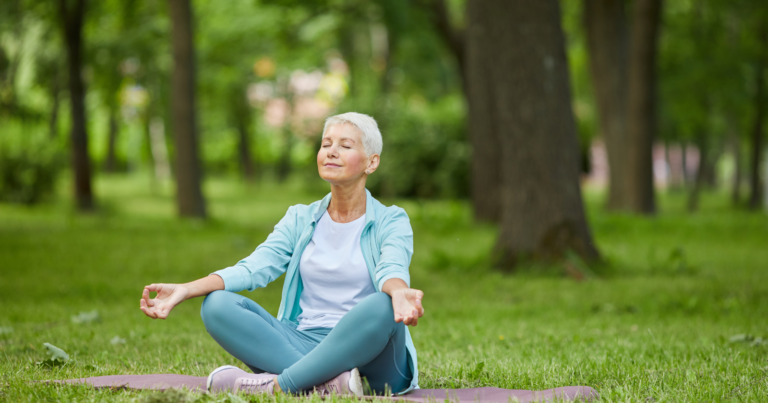
As we age, deepening introspection is a common behavior. Reflecting on the past, contemplating life’s mysteries and pondering the future are all part of this process. But when this introspection becomes excessive, it can lead to feelings of loneliness.
Think about it. If you’re spending most of your time in your own head, mulling over past mistakes or worrying about what’s to come, it can feel like you’re alone even when you’re surrounded by others.
The practical tip here is to balance introspection with connection. Yes, reflecting on life is important. But equally essential is maintaining relationships and staying involved in the present moment. So if you find yourself getting lost in your thoughts frequently, make a conscious effort to reach out to others or engage in activities that bring you joy and connection.
2) Unexplored potential
True empowerment comes from taking full responsibility for our lives, and recognizing that we all have untapped potential within us. But often, as people age, they tend to limit their exploration of new experiences or opportunities. This can unknowingly contribute to feelings of loneliness.
We all have the capacity to learn, grow, and evolve—no matter our age. But when we stop challenging ourselves, stop trying new things or learning new skills, we can easily slip into a routine that feels comfortable but isolating.
Think about it. If you’re doing the same things day in and day out, seeing the same people, visiting the same places, your world can start to feel small. And in that small world, it’s easy to feel alone.
This is not about blaming anyone for their circumstances or feelings of loneliness. It’s about acknowledging that steering the direction of our lives requires active participation.
The practical advice here? Push your boundaries. Take a class, learn a new hobby, volunteer somewhere. Start tapping into your potential by challenging yourself to step out of your comfort zone. You just might find that the world is wider—and more welcoming—than you thought.
3) A lack of self-coaching
I firmly believe that we all have the capacity to develop the skills to become our own best coaches. This ability allows us to navigate any major life change and ultimately lead a happier, more fulfilling life. However, many who age and feel lonelier may not realize they’ve stopped coaching themselves.
Self-coaching isn’t something we’re automatically good at. It requires self-awareness, a willingness to question our beliefs and habits, and the courage to make necessary changes.
People who feel lonelier as they get older sometimes stop challenging their thought patterns or beliefs. Instead of asking themselves, “How can I change this situation?” or “What can I learn from this?”, they might succumb to thoughts like “Things will never get better” or “I’m just destined to be alone.”
But remember, we all have the power to coach ourselves through life’s ups and downs. When we stop doing this, it can leave us feeling stuck and isolated.
So here’s a practical tip: start practicing self-coaching today. Ask yourself challenging questions, evaluate your beliefs, and brainstorm solutions for any problems you’re facing. Developing this skill can help you navigate life’s changes with more resilience and less loneliness.
4) Avoidance of vulnerability
Brené Brown, a renowned research professor and author, once said, “Vulnerability is not winning or losing; it’s having the courage to show up and be seen when we have no control over the outcome.” This captures a common behavior often seen in those who become lonelier as they age: the avoidance of vulnerability.
Related Stories from Jeanette Brown
- The older some people get, the more they realize the job wasn’t just a job — it was the container that held their friendships, their routine, and their reason to get up
- The most alive people in their second act aren’t the busiest or the calmest — they’re the ones whose weeks clearly reflect what they actually believe matters now
- Quote from Richard Leider: ‘The purpose of life is to live a life of purpose’ — and retirement is where that principle either saves you or exposes the gap you’ve been avoiding
As we grow older, past experiences, disappointments, or fear of judgement may make us wary of showing our true selves to others. We might start to build walls around us to avoid getting hurt, but in doing so, we also block out potential connections.
Vulnerability is the birthplace of connection. By shielding ourselves from potential pain, we inadvertently close off opportunities to connect with others on a deeper level. This avoidance can lead to feelings of loneliness.
My practical advice? Start embracing vulnerability. It might be scary at first, but being open about your feelings, fears, and hopes can lead to deeper and more meaningful connections with others. Remember Brown’s words and have the courage to show up and be seen in your life.
5) Staying in the comfort zone
In a world where change and disruption are the norm, it’s crucial to cultivate a growth and curious mindset. However, people who become lonelier as they age often stay within their comfort zone, avoiding challenges or new experiences that could lead to growth.
Remember, real growth happens when we step out of our comfort zone and embrace uncertainty and risk. It’s when we see failure not as a setback, but as our best teacher. But when people remain within their comfort zones, they limit their opportunities to grow and make new connections, which can gradually lead to feelings of loneliness.
So what’s the practical tip here? Start seeing the value in stepping out of your comfort zone. Embrace new challenges, be open to learning, and look at failure as an opportunity for growth. By cultivating a mindset that thrives on curiosity and growth, you’re more likely to build richer relationships and feel more connected with the world around you.
6) Decreased social engagement
As we age, it’s not uncommon for our social circles to shrink. Friends move away, retire, or pass on. And sometimes, without realizing it, we allow our social engagement to dwindle. This can leave us feeling increasingly isolated.
A practical tip? Be proactive in maintaining and expanding your social network. Join clubs, volunteer, take up communal hobbies – there are numerous ways to stay socially active and connected.
7) Neglecting self-care
Self-care is not just about pampering oneself. It’s about caring for your physical, emotional, and mental well-being. However, as people age, they sometimes neglect this crucial aspect of life and this can unknowingly contribute to feelings of loneliness.
Personally, I’ve found that when I’m not taking care of myself – eating poorly, skipping exercise, or not getting enough sleep – I feel more disconnected from others.
So remember: taking care of your body and mind is vital for maintaining a positive connection with yourself and others. Get regular exercise, eat healthy meals, prioritize sleep and engage in activities that nourish your soul.
8) Dismissing the value of technology
We live in a digital age where technology has made it easier than ever to stay connected with others. But often, older adults dismiss the value of technology, which can inadvertently increase feelings of loneliness.
My aunt was resistant to using technology until we showed her how she could video call her grandchildren living overseas. She’s now more connected than ever!
The takeaway here? Don’t dismiss technology. Embrace it as a tool to stay connected with family and friends. From video calls to social media, technology can help reduce feelings of loneliness by keeping us connected with our loved ones, no matter the distance.
In closing, it’s important to remember that loneliness isn’t an inevitable part of aging. It’s often the result of certain behaviors that we might not even realize we’re exhibiting. But with awareness, we can begin to change these behaviors and re-ignite our connections with others.
I’m excited to announce my upcoming online course, Your Retirement, Your Way: Thriving, Dreaming and Reinventing Life in Your 60s and Beyond. This course is designed to help you learn the skills to coach yourself to a happier, more fulfilling retirement. We’ll explore the transformative power of regular reflection and journaling of our thoughts, feelings, and experiences to deepen our self-awareness and grow.
When you learn to coach yourself, you’re investing in a lifetime skill. This isn’t just a temporary fix; it’s an enduring capability. With self-coaching, you’re taking control, empowering yourself to handle whatever life throws your way—especially in retirement.
To find out more about the course and when it launches, sign up at The Vessel. Remember, it’s never too late to reset your life compass and steer towards a more fulfilling journey. You have the power within you. Let’s unlock it together!
Related Stories from Jeanette Brown
- The older some people get, the more they realize the job wasn’t just a job — it was the container that held their friendships, their routine, and their reason to get up
- The most alive people in their second act aren’t the busiest or the calmest — they’re the ones whose weeks clearly reflect what they actually believe matters now
- Quote from Richard Leider: ‘The purpose of life is to live a life of purpose’ — and retirement is where that principle either saves you or exposes the gap you’ve been avoiding
Navigating Life’s Transitions with Jeanette Brown
Jeanette Brown is here to guide you through life’s transitions.
On her YouTube channel, she offers practical advice and supportive strategies to help you manage personal and career changes effectively.
Her videos focus on fostering resilience and equipping you with the skills needed for self-coaching.
Subscribe here to start mastering your life transitions today.
Related Stories from Jeanette Brown
- The older some people get, the more they realize the job wasn’t just a job — it was the container that held their friendships, their routine, and their reason to get up
- The most alive people in their second act aren’t the busiest or the calmest — they’re the ones whose weeks clearly reflect what they actually believe matters now
- Quote from Richard Leider: ‘The purpose of life is to live a life of purpose’ — and retirement is where that principle either saves you or exposes the gap you’ve been avoiding
Feeling lost or unfulfilled?
Jeanette Brown’s “Your Life Review” video is designed to help you identify key areas in your life that need improvement.
Through a simple yet powerful exercise, you’ll assess your current satisfaction across different life domains, allowing you to pinpoint specific areas for growth.
This life review forms the foundation for creating a clear vision, setting aligned goals, and developing a personalized action plan.
Take the first step towards a more satisfying life. Start your Life Review now and gain immediate access to this transformative exercise.