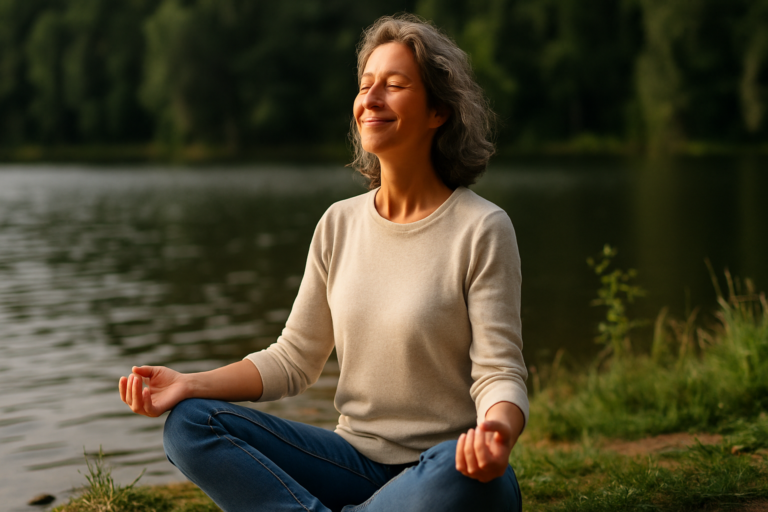
There’s a profound connection between happiness and mastering the art of not caring.
The secret lies in knowing where to invest your energy. Spending your time worrying about things out of your control can be exhausting.
Embracing the art of not caring isn’t about being indifferent or dismissive. It’s about choosing what truly matters, freeing you up to live a happier life.
As Lachlan Brown, founder of Hack Spirit and a mindfulness enthusiast, I’ve learnt this through personal experience. I’ve distilled this wisdom into 10 simple ways that can guide you on your journey to happiness.
In this article, you will discover ways to master the art of not caring and live a life brimming with contentment and joy. Let’s dive in.
1) Acceptance is key
In the quest for happiness, acceptance is a significant step to master the art of not caring.
And this concept isn’t new. It’s deeply rooted in mindfulness and Buddhism.
From time to time, we all face situations that are out of our control. Whether it’s a traffic jam when you’re late or a sudden change in weather ruining your weekend plans, these incidents can be frustrating.
But here’s the thing: worrying about them won’t change anything. All it does is drain your energy and happiness.
That’s where acceptance comes in. By accepting things as they are, you free yourself from unnecessary stress and worry. You make peace with the present moment and focus your energy on what you can control.
As a mindfulness expert, I’ve found this to be a game changer. Not only does it reduce stress, but it also paves the way for a happier life.
Acceptance is not about being passive. It’s about understanding what is within your control and what isn’t, and choosing not to waste your energy on the latter.
When you’re faced with an uncontrollable situation, take a deep breath and choose acceptance. It’s the first step towards mastering the art of not caring and living a happier life.
2) Let go of perfection
As a perfectionist myself, I know first-hand how the desire for perfection can lead to unnecessary stress and discontent.
The reality is, the world is imperfect. And that’s okay. In fact, it’s more than okay. It’s beautiful.
Buddhist teachings often talk about the imperfection of life as a path to enlightenment. There’s a concept called “Wabi-sabi,” a world view centered on the acceptance of transience and imperfection.
In the words of Leonard Koren, an expert on Wabi-sabi, “Wabi-sabi nurtures all that is authentic by acknowledging three simple realities: nothing lasts, nothing is finished, and nothing is perfect.”
So, instead of striving for perfection, embrace the beauty in imperfections. It’s about accepting things as they are and letting go of unrealistic expectations.
When we let go of the need for perfection, we let go of unnecessary worries and fears. And in turn, we open ourselves up to happiness and contentment.
It’s not about settling for less. It’s about accepting that perfection is an illusion and choosing to find joy in what we have, right here and right now.
3) Minimize your ego
One of the greatest lessons I’ve learned in my journey with mindfulness and Buddhism is the importance of minimizing the ego.
Our ego can often lead us to care too much about trivial things, causing unnecessary worry and stress. It makes us overly concerned about others’ opinions, creating a barrier to our happiness.
In my book, Hidden Secrets of Buddhism: How To Live With Maximum Impact and Minimum Ego, I delve into how reducing the influence of our ego can significantly improve our happiness and well-being.
The idea is simple: when we let go of our ego, we stop caring about things that don’t truly matter. We become more present, more authentic, and ultimately, happier.
Make a conscious effort to minimize your ego. It might be challenging at first, but with practice, you’ll find yourself living a more joyful and carefree life. After all, happiness isn’t about pleasing others; it’s about being true to yourself.
4) Practice gratitude
Practicing gratitude is a simple yet powerful way to increase happiness and master the art of not caring about the unimportant things.
As the famous mindfulness teacher, Thich Nhat Hanh once said, “The seed of suffering in you may be strong, but don’t wait until you have no more suffering before allowing yourself to be happy.”
Gratitude helps us to focus on the positive aspects of our life and not get bogged down by the negatives. It encourages us to celebrate the present moment and appreciate what we have.
Start by making a list of things you’re grateful for every day. It could be as simple as a delicious meal, a good night’s sleep, or even the sound of birds chirping outside your window.
Practicing gratitude shifts our focus from what’s wrong in our lives to what’s right, fostering happiness and contentment. So, make it a habit to count your blessings, not your problems.
Happiness is a choice. Choose gratitude. Choose happiness.
5) Understand your core values
Understanding your core values is a crucial part of living a happier life and mastering the art of not caring about irrelevant things.
I’ve found that when you know your core values, you can make decisions that align with who you truly are. It helps to navigate life with more clarity and less stress.
Life Transition coach Jeanette Brown has a wonderful exercise called “Defining Your Values Exercise” that can help you identify and define your core values. I highly recommend giving it a try.
Related Stories from Jeanette Brown
- The most alive people in their second act aren’t the busiest or the calmest — they’re the ones whose weeks clearly reflect what they actually believe matters now
- The people who learn to do nothing without guilt in retirement have usually made one quiet shift — they stopped measuring days by what they produced and started measuring them by how present they were
- The 5 types of wealth that actually matter after 60—and why focusing on money alone quietly leaves so many people feeling unfulfilled
This exercise guides you on a journey of self-discovery, helping you understand what truly matters to you. By knowing your core values, you get the clarity to let go of things that don’t align with them.
Take some time to understand yourself better. Identify your values and let them guide your actions. When you live in alignment with your core values, happiness naturally follows.
6) Simplify your life
Simplicity is often overlooked, but it’s a powerful tool for happiness and mastering the art of not caring about unnecessary things.
In a world filled with distractions and clutter, simplifying your life can bring a sense of calm and contentment. It’s about focusing on what truly matters and letting go of the rest.
Start by decluttering your surroundings. A clean and organized space can do wonders for your mood and productivity. But don’t just stop there. Simplify your schedule, your commitments, even your thoughts.
Remember, simplicity is not about deprivation. It’s about making room for what truly brings you joy and satisfaction.
Take a step back, evaluate what’s important, and let go of the rest. A simpler life often leads to a happier one.
7) Cultivate mindfulness
Mindfulness is a practice I’ve embraced in my own life and it has made a world of difference.
In essence, mindfulness is about being fully present in the moment. It’s about experiencing life as it unfolds, without judgment or distraction.
When we’re mindful, we’re more in tune with our thoughts, feelings, and surroundings. We become more aware of what truly matters and what doesn’t. This awareness is key to mastering the art of not caring about irrelevant things.
There are many ways to cultivate mindfulness. It can be as simple as paying attention to your breath, savoring your meals, or even just taking a walk in nature.
Mindfulness is not a destination but a journey. So be patient with yourself and take it one moment at a time.
By cultivating mindfulness, you’ll find it easier to let go of unnecessary worries and live a happier, more fulfilled life.
8) Embrace the journey
Finding happiness and mastering the art of not caring isn’t a one-time event—it’s a journey.
It was Ralph Waldo Emerson who said, “Life is a journey, not a destination.” These words hold profound wisdom. Happiness is found in the process, in the journey, not just in reaching the end goal.
It’s about learning to enjoy each moment, embracing both the ups and downs of life. When we stop worrying about the destination and start enjoying the journey, we find that happiness becomes a natural part of our lives.
So, take a step back. Breathe. Appreciate the journey you’re on. Each step you take is a step towards happiness and peace.
Remember to embrace the journey and find joy in the small moments. After all, life is a series of moments, and each moment holds the potential for happiness.
9) Allow yourself to feel
Here’s something a bit counterintuitive: To master the art of not caring, you must allow yourself to feel.
In my personal journey, I’ve discovered that suppressing emotions only gives them more power. Instead, acknowledging and accepting our feelings can free us from their grip.
It’s okay to feel sad, angry, or upset. These emotions are part of the human experience. By allowing ourselves to feel, we’re not giving in to these emotions but acknowledging their existence.
Once acknowledged, we can then choose how we respond. We can decide not to let these feelings dictate our actions or steal our happiness.
Give yourself permission to feel. It’s not about being controlled by your emotions but understanding them. Remember, it’s through understanding that we gain the power to let go.
10) Schedule ‘me’ time
Scheduling some ‘me’ time is a simple yet effective way to boost happiness and help you master the art of not caring about unnecessary things.
In our busy lives, we often forget to take out time for ourselves. But it’s essential for our well-being.
‘Me’ time is when you do something just for yourself. It could be reading a book, taking a walk, meditating, or even just sitting quietly with a cup of tea.
This time allows you to relax, recharge, and reconnect with yourself. It helps clear your mind and gives you the space to let go of things that don’t serve you.
Make it a point to schedule some ‘me’ time into your day. It’s not selfish; it’s necessary. Remember, you can’t pour from an empty cup.
Conclusion
In conclusion, mastering the art of not caring isn’t about being indifferent or dismissive. It’s about choosing what truly matters to you and letting go of the rest.
From understanding your core values, embracing the journey, allowing yourself to feel, to scheduling ‘me’ time, these simple steps can guide you towards living a happier and more fulfilled life.
As a final note, I would highly recommend Jeanette Brown’s Defining Your Values Exercise. It’s a fantastic tool to help you get clear on your core values and focus on what truly matters to you.
Remember, happiness is a journey, not a destination. It’s about finding joy in the present moment and letting go of unnecessary worries.
So take a step today towards mastering the art of not caring about irrelevant things. Your journey towards a happier life begins now.
Related Stories from Jeanette Brown
- The most alive people in their second act aren’t the busiest or the calmest — they’re the ones whose weeks clearly reflect what they actually believe matters now
- The people who learn to do nothing without guilt in retirement have usually made one quiet shift — they stopped measuring days by what they produced and started measuring them by how present they were
- The 5 types of wealth that actually matter after 60—and why focusing on money alone quietly leaves so many people feeling unfulfilled
Feeling lost or unfulfilled?
Jeanette Brown’s “Your Life Review” video is designed to help you identify key areas in your life that need improvement.
Through a simple yet powerful exercise, you’ll assess your current satisfaction across different life domains, allowing you to pinpoint specific areas for growth.
This life review forms the foundation for creating a clear vision, setting aligned goals, and developing a personalized action plan.
Take the first step towards a more satisfying life. Start your Life Review now and gain immediate access to this transformative exercise.