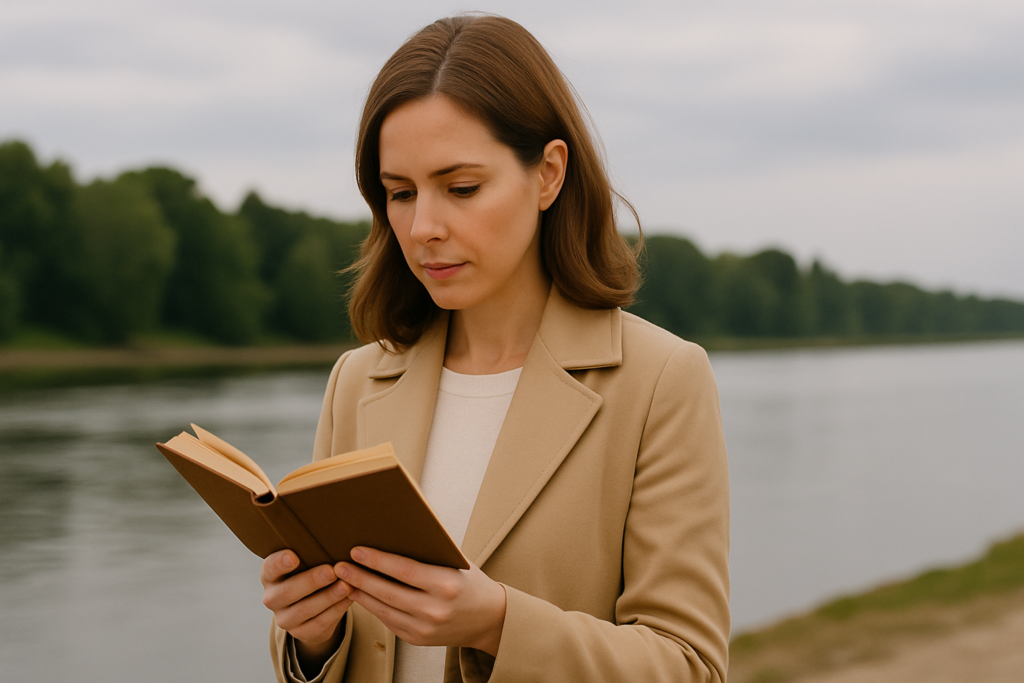
There’s a vast difference between simply going through life and actively living it.
The difference? Reflection. Reflecting on who we are, our actions, and our decisions is like holding up a mirror to our lives. It gives us the power to evolve, to improve, to become the best versions of ourselves.
Becoming your best self isn’t about perfection, but progress. And trust me, there are some key strategies that can help you along this journey of self-improvement.
In this article, I’ll share with you 8 ways to master the art of reflection, allowing you to tap into your true potential. It’s time to embrace the process of becoming the best version of yourself. Let’s dive in!
1) Embrace solitude
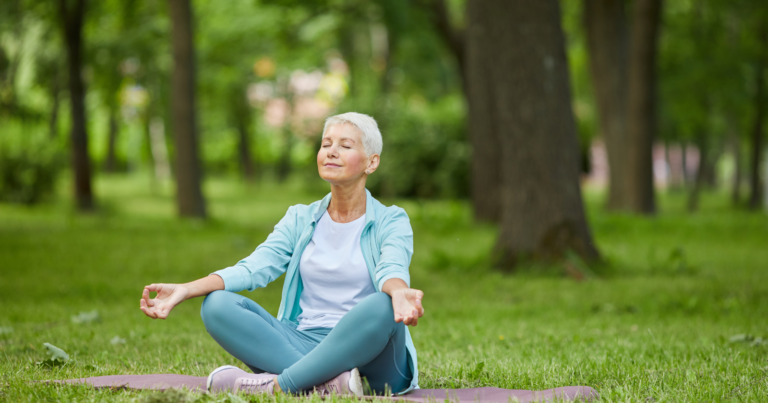
One of the vital steps to becoming the best version of yourself involves spending quality time alone.
See, there’s a big difference between feeling lonely and embracing solitude. Loneliness can feel isolating, but solitude? It’s empowering. It’s in those quiet moments where you can truly hear your own thoughts, without the noise of everyday life drowning them out.
Consider it a form of mental decluttering. When you’re alone, you have the luxury to dive deep into your thoughts, to reflect on your actions, decisions, and experiences.
In our fast-paced society, we often forget the beauty of stillness—of just being with ourselves. But it’s in these moments where we can truly reflect and grow as individuals.
So, make it a habit to spend some quiet time alone every day. It’s not about isolating yourself from others; it’s about getting comfortable with your own company and using that time to self-reflect.
Remember, this journey towards self-improvement starts with you and you alone. Embrace solitude—it’s an art worth mastering.
2) Keep a journal
Maintaining a journal can be one of the most powerful tools for enhancing self-reflection. It provides you with an outlet to express your thoughts, feelings, and experiences.
Did you know that the act of writing can stimulate the analytical and rational left side of the brain? This, in turn, helps free up the creative and intuitive right side of the brain, allowing it to do what it does best.
In essence, when you write, you are engaging both sides of your brain, providing a more comprehensive perspective on your thoughts and feelings.
By jotting down your experiences, ideas, and observations, you can gain a deeper understanding of yourself and your actions. Over time, patterns may start to emerge that can provide valuable insights into who you are and who you want to become.
So grab a notebook, find a quiet spot, and let your thoughts flow onto the paper. You might be surprised by what you discover about yourself.
3) Practice mindfulness
In our fast-paced, always-on world, we often find ourselves caught up in the rush of daily life. We’re constantly thinking about the future or dwelling on the past, rarely giving ourselves permission to just be in the present moment.
And that’s where mindfulness comes in.
Mindfulness is about focusing on the here and now, being fully engaged with whatever we’re doing at the moment. It’s about being aware of our thoughts and feelings without getting caught up in them.
When practiced regularly, mindfulness can enhance our ability to reflect. It helps us to become more aware of our internal landscape – our thoughts, feelings, and reactions.
Try setting aside a few minutes each day for mindfulness practice. This could be in the form of meditation, mindful walking, or simply taking a moment to breathe deeply and focus on your surroundings.
The more mindful you become, the better equipped you’ll be to reflect on your actions and behaviours, helping you to become the best version of yourself.
4) Set personal goals
Setting personal goals is like drawing a map for your life. It gives you a clear direction and purpose, guiding your actions and decisions towards self-improvement.
But it’s not just about setting goals. It’s about setting meaningful goals that resonate with who you are and who you want to become.
Take some time to reflect on what truly matters to you. What are your passions? Your strengths? Your values? Use these reflections as a basis for setting your personal goals.
But remember, progress over perfection. It’s okay if you stumble along the way. In fact, these stumbles are essential for growth. They provide valuable lessons that can help you refine your goals and strategies.
Related Stories from Jeanette Brown
- The older some people get, the more they realize the job wasn’t just a job — it was the container that held their friendships, their routine, and their reason to get up
- The most alive people in their second act aren’t the busiest or the calmest — they’re the ones whose weeks clearly reflect what they actually believe matters now
- Quote from Richard Leider: ‘The purpose of life is to live a life of purpose’ — and retirement is where that principle either saves you or exposes the gap you’ve been avoiding
So, set those personal goals. Reflect on them regularly. And use them as stepping stones on your journey towards becoming the best version of yourself.
5) Be kind to yourself
We often become our own harshest critics. We dwell on our mistakes, magnify our flaws, and overlook our strengths. But here’s the thing: no one is perfect, and you shouldn’t expect yourself to be.
Being kind to yourself is an integral part of the journey towards becoming the best version of you. It’s about treating yourself with the same compassion and understanding that you’d extend to a close friend.
When you stumble, instead of berating yourself, take a moment to reflect. What can you learn from this? How can you grow? Remember, every setback is simply a setup for a comeback.
Self-compassion also involves taking care of your physical and mental well-being. Nurture your body with healthy foods and regular exercise. Nourish your mind with positive thoughts and experiences.
Remember, the relationship you have with yourself sets the tone for all other relationships in your life. Being kind to yourself isn’t a luxury—it’s a necessity. So, start today. Because you, more than anyone else, deserve your love and kindness.
6) Embrace change
Change is a fundamental part of life. It’s the one constant that ties all our experiences together. But often, we resist change, fearing the unknown or the discomfort it may bring.
There was a time in my life when I found myself in a job that no longer fulfilled me. I was comfortable, but I wasn’t growing. I knew I needed a change, but I was scared. Would I regret leaving the security of my current situation? Could I handle the uncertainty?
Eventually, I took the leap, leaving behind what was familiar for the uncharted waters of a new career. It was challenging, unsettling at times, but it ultimately led to personal growth and fulfillment that I couldn’t have imagined.
Embracing change is about accepting life’s uncertainties and viewing them as opportunities for growth. It’s about letting go of what no longer serves you and opening yourself up to new experiences and possibilities.
Remember, growth and comfort rarely coexist. So, don’t shy away from change. Embrace it. It’s through change that we evolve into the best version of ourselves.
7) Seek feedback
We all have blind spots. These are aspects of ourselves that we’re not aware of, but others can clearly see. That’s where feedback comes in.
Regularly seeking feedback is a powerful way to enhance your self-awareness and reflection. It provides you with an outside perspective, helping you identify strengths you may not have recognized and areas for improvement that may have been overlooked.
And while receiving feedback can sometimes be challenging, it’s important to remember that it’s not personal. It’s about growth.
It may be helpful to find a trusted mentor or coach who can provide constructive feedback. Alternatively, consider asking friends, family, or colleagues for their insights.
Remember, feedback is a gift. It’s an opportunity to learn, grow, and become the best version of yourself. So don’t fear it—seek it.
8) Practice patience
The journey towards becoming the best version of yourself is not a sprint—it’s a marathon. It requires patience, persistence, and most importantly, time.
This process of self-improvement is ongoing. There’s no finish line or final destination. It’s about making consistent, small steps towards growth and learning to appreciate the journey just as much as the destination.
So don’t be disheartened if progress seems slow or if you stumble along the way. Every step, no matter how small, is a step in the right direction.
Remember, patience isn’t about waiting—it’s about maintaining a positive attitude while working hard for what you want. So be patient with yourself. Your journey is unique to you, and every step you take brings you one step closer to becoming the best version of yourself.
Reflection: Your personal journey
The art of reflection is a deeply personal and unique journey, experienced differently by each individual. It’s not a one-size-fits-all process, but rather a lifelong commitment to growth and self-improvement.
Interestingly, neuroscience affirms the power of reflection. Brain studies reveal that self-reflection activates a part of our brain called the posterior cingulate cortex. This region is associated with self-perception, making sense of experiences, and integrating them into our sense of self.
So, whether you’re questioning your beliefs, practicing mindfulness, or patiently navigating your personal goals, remember this: You’re not just going through the motions. You’re engaging in a powerful process that shapes your brain, your identity, and ultimately, your life.
Don’t rush this journey—embrace it. Each moment of reflection is a step towards becoming the best version of yourself. As you continue to reflect, grow, and evolve, remember to celebrate the small victories along the way.
After all, the journey towards becoming the best version of yourself isn’t about reaching a destination—it’s about cherishing the journey itself.
Related Stories from Jeanette Brown
- The older some people get, the more they realize the job wasn’t just a job — it was the container that held their friendships, their routine, and their reason to get up
- The most alive people in their second act aren’t the busiest or the calmest — they’re the ones whose weeks clearly reflect what they actually believe matters now
- Quote from Richard Leider: ‘The purpose of life is to live a life of purpose’ — and retirement is where that principle either saves you or exposes the gap you’ve been avoiding
Feeling lost or unfulfilled?
Jeanette Brown’s “Your Life Review” video is designed to help you identify key areas in your life that need improvement.
Through a simple yet powerful exercise, you’ll assess your current satisfaction across different life domains, allowing you to pinpoint specific areas for growth.
This life review forms the foundation for creating a clear vision, setting aligned goals, and developing a personalized action plan.
Take the first step towards a more satisfying life. Start your Life Review now and gain immediate access to this transformative exercise.
Related Stories from Jeanette Brown
- The older some people get, the more they realize the job wasn’t just a job — it was the container that held their friendships, their routine, and their reason to get up
- The most alive people in their second act aren’t the busiest or the calmest — they’re the ones whose weeks clearly reflect what they actually believe matters now
- Quote from Richard Leider: ‘The purpose of life is to live a life of purpose’ — and retirement is where that principle either saves you or exposes the gap you’ve been avoiding
Feeling lost or unfulfilled?
Jeanette Brown’s “Your Life Review” video is designed to help you identify key areas in your life that need improvement.
Through a simple yet powerful exercise, you’ll assess your current satisfaction across different life domains, allowing you to pinpoint specific areas for growth.
This life review forms the foundation for creating a clear vision, setting aligned goals, and developing a personalized action plan.
Take the first step towards a more satisfying life. Start your Life Review now and gain immediate access to this transformative exercise.