Growing older often gets a bad rap. People talk about the aches and pains, the slowing down, the retirement blues. But what if I told you the happiest, most fulfilling years of your life could begin after 65?
Many retirees make a deliberate effort to reinvent their retirement. They find a rhythm that works for them, filled with purpose, peace, and simple joy. And while everyone’s journey is different, I’ve noticed eight daily habits that seem to make all the difference.
These aren’t grand, dramatic changes. They’re small, intentional choices—rooted in both psychological research and Buddhist philosophy—that build a deeply satisfying life.
Let’s dive in.
1. Start the day slowly—and mindfully
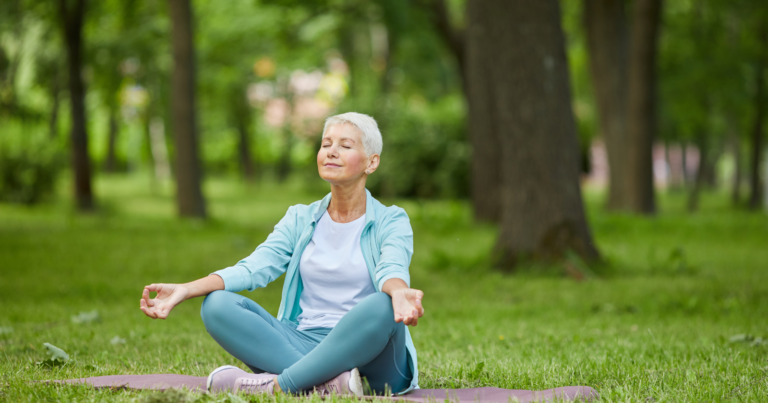
This kind of slow start does wonders for your nervous system. It anchors you. Research shows that mindful mornings reduce cortisol levels and set a calmer tone for the whole day.
Buddhist principle: “Begin with presence.” When we start our day anchored in awareness, everything else flows more smoothly.
2. Move your body—even gently
Physical activity—especially outdoors—has been linked to reduced risk of depression, improved brain health, and better sleep in older adults. But it’s not about breaking records. It’s about keeping energy flowing.
3. Stay socially curious
There’s real power in staying socially connected. Studies show that strong social ties are one of the most important predictors of happiness and longevity, especially as we age.
It doesn’t have to mean hosting dinner parties. Just one or two meaningful conversations a day can make a huge difference.
4. Do one thing each day that gives you purpose
Purpose doesn’t need to be career-driven. It could be planting vegetables, teaching your grandchild how to cook, or even sharing your stories in a journal.
Psychologists call this “generativity”—the drive to contribute to something beyond ourselves. It’s a key ingredient to feeling fulfilled in later life.
5. Practice gratitude intentionally
I know it’s a cliché—but only because it works. There’s robust research backing this up. Gratitude strengthens relationships, boosts mood, and even reduces inflammation.
6. Limit news, maximize peace
It is so tempting and easy to constantly search for news.
Too much exposure to the 24/7 news cycle can spike anxiety and create a constant state of alertness. Replacing that noise with peaceful input allows space for deeper joy.
Related Stories from Jeanette Brown
- The older some people get, the more they realize the job wasn’t just a job — it was the container that held their friendships, their routine, and their reason to get up
- The most alive people in their second act aren’t the busiest or the calmest — they’re the ones whose weeks clearly reflect what they actually believe matters now
- Quote from Richard Leider: ‘The purpose of life is to live a life of purpose’ — and retirement is where that principle either saves you or exposes the gap you’ve been avoiding
7. Laugh every single day
This might sound obvious, but joy needs to be cultivated. Laughter releases endorphins, relaxes the body, and even strengthens the immune system. In fact, studies show that people who laugh often report significantly higher life satisfaction.
In Buddhism, laughter is seen as a form of release—an expression of non-attachment and freedom.
8. Let go of what you can’t control
It’s time to stop sweating the small stuff. Instead embrace a certain kind of emotional wisdom—the ability to step back, breathe, and let go.
The Buddhist philosophy embraces the idea of impermanence—the notion that everything changes, and that’s okay.
“Let go, or be dragged,” as the old Zen saying goes.
Final thoughts: It’s not about slowing down—it’s about shifting gears
Perhaps the most encouraging thing about these habits is that you don’t have to master all eight, or wake up tomorrow as a completely different person. You might begin by taking your morning tea outside instead of scrolling through the news.
You might call someone you’ve been meaning to speak to, go for a gentle walk, or write down one thing that made you smile. Some days will still be difficult.
Bodies change, people we love need us, and life rarely follows the neat plan we made for it. A satisfying later life doesn’t depend on pretending otherwise. It grows through the small ways we respond to the day in front of us: making room for connection, finding something worth doing, and noticing the good that is still here.
Over time, those choices can shape the feel of an ordinary week. And perhaps that’s a more useful question than whether you are “doing retirement right”: when you look at your day-to-day life, is there a little more of what matters to you in it?
If the answer is no, you don’t need to overhaul your life. Start small. Choose one habit, try it for a week, and see what changes.
So if you’re approaching 65—or you’re already there—know this: with the right habits, your most joyful years could be just beginning.
And if you’re younger? Start practicing now. These habits don’t just help you age well. They help you live well.
Related Stories from Jeanette Brown
- The older some people get, the more they realize the job wasn’t just a job — it was the container that held their friendships, their routine, and their reason to get up
- The most alive people in their second act aren’t the busiest or the calmest — they’re the ones whose weeks clearly reflect what they actually believe matters now
- Quote from Richard Leider: ‘The purpose of life is to live a life of purpose’ — and retirement is where that principle either saves you or exposes the gap you’ve been avoiding
Navigating Life’s Transitions with Jeanette Brown
Jeanette Brown is here to guide you through life’s transitions.
On her YouTube channel, she offers practical advice and supportive strategies to help you manage personal and career changes effectively.
Her videos focus on fostering resilience and equipping you with the skills needed for self-coaching.
Subscribe here to start mastering your life transitions today.
Related Stories from Jeanette Brown
- The older some people get, the more they realize the job wasn’t just a job — it was the container that held their friendships, their routine, and their reason to get up
- The most alive people in their second act aren’t the busiest or the calmest — they’re the ones whose weeks clearly reflect what they actually believe matters now
- Quote from Richard Leider: ‘The purpose of life is to live a life of purpose’ — and retirement is where that principle either saves you or exposes the gap you’ve been avoiding
Feeling lost or unfulfilled?
Jeanette Brown’s “Your Life Review” video is designed to help you identify key areas in your life that need improvement.
Through a simple yet powerful exercise, you’ll assess your current satisfaction across different life domains, allowing you to pinpoint specific areas for growth.
This life review forms the foundation for creating a clear vision, setting aligned goals, and developing a personalized action plan.
Take the first step towards a more satisfying life. Start your Life Review now and gain immediate access to this transformative exercise.