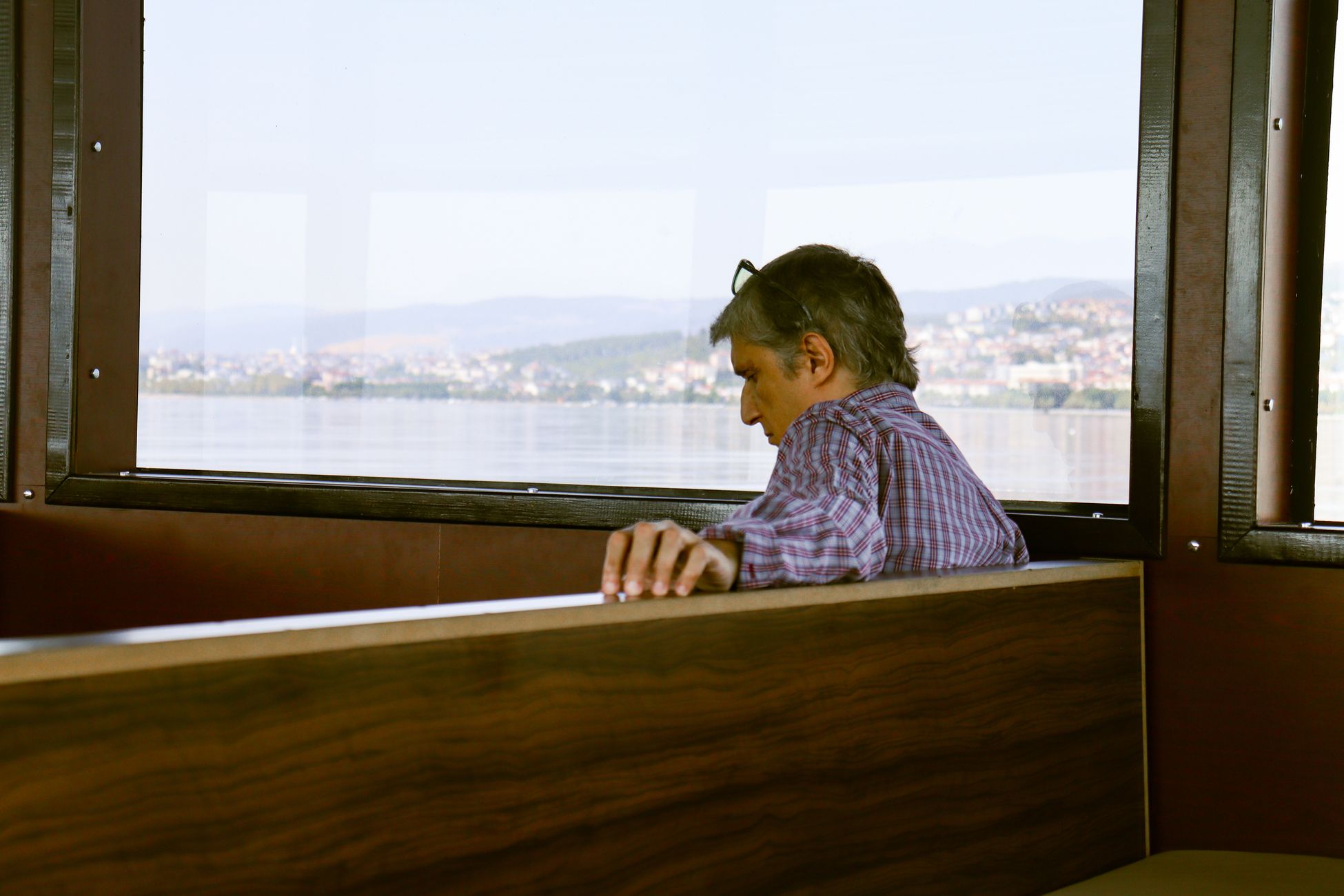
There is a particular kind of restlessness that arrives a few months into retirement. Usually after the calendar has been filled with everything the brochures suggest — the volunteer boards, the walking groups, the cruise booking, the pantry reorganised for the third time. It shows up quietly, in the kitchen or on the back porch, as something a person finds hard to name. Not depression. Not illness. Just the dawning sense that the motion was a way of not hearing the silence underneath.
What I notice in the people who come through this transition well is that, at some point, they stop. Not gracefully. Not as part of any wellness plan. They resign from one of the boards. They tell the walking group they need a break. And they spend an unstructured stretch of weeks or months feeling, in their own words, completely useless.
That uselessness turns out to be the most important thing they’ve done in years.
The cultural script tells us to stay busy. The grounded ones break it.
Most retirement advice you’ll read assumes the goal is to fill the calendar. Stay engaged. Stay social. Stay productive. The implication is that an empty hour is a dangerous hour, and that meaning is something you assemble out of activities the way you’d assemble a piece of flat-pack furniture.
What I keep noticing is that the script gets it backwards. The retirees who seem most grounded in their late sixties and seventies aren’t the ones who stayed busy. They’re the ones who let themselves be uncomfortable long enough to figure out what their life was actually for.
That’s a much harder thing to sell. It doesn’t fit on a brochure. But it shows up again and again.
Why the brain fights stillness so hard
There’s a reason the back-porch summer feels almost unbearable at first. After a long career, the brain has been trained to associate productivity with safety. When the input drops — no meetings, no deadlines, no one asking anything of you — the familiar pattern is gone.
So we reach for the calendar. We sign up for things. We rebuild the noise. And in doing so, we miss the only window in adult life where stillness might actually have something to teach us.
I’ve written before about how the transition quietly unravelled me in ways I hadn’t planned for, and I think this is the part most people don’t expect. The discomfort isn’t a sign you’ve done retirement wrong. It’s the threshold you have to cross to do it right.
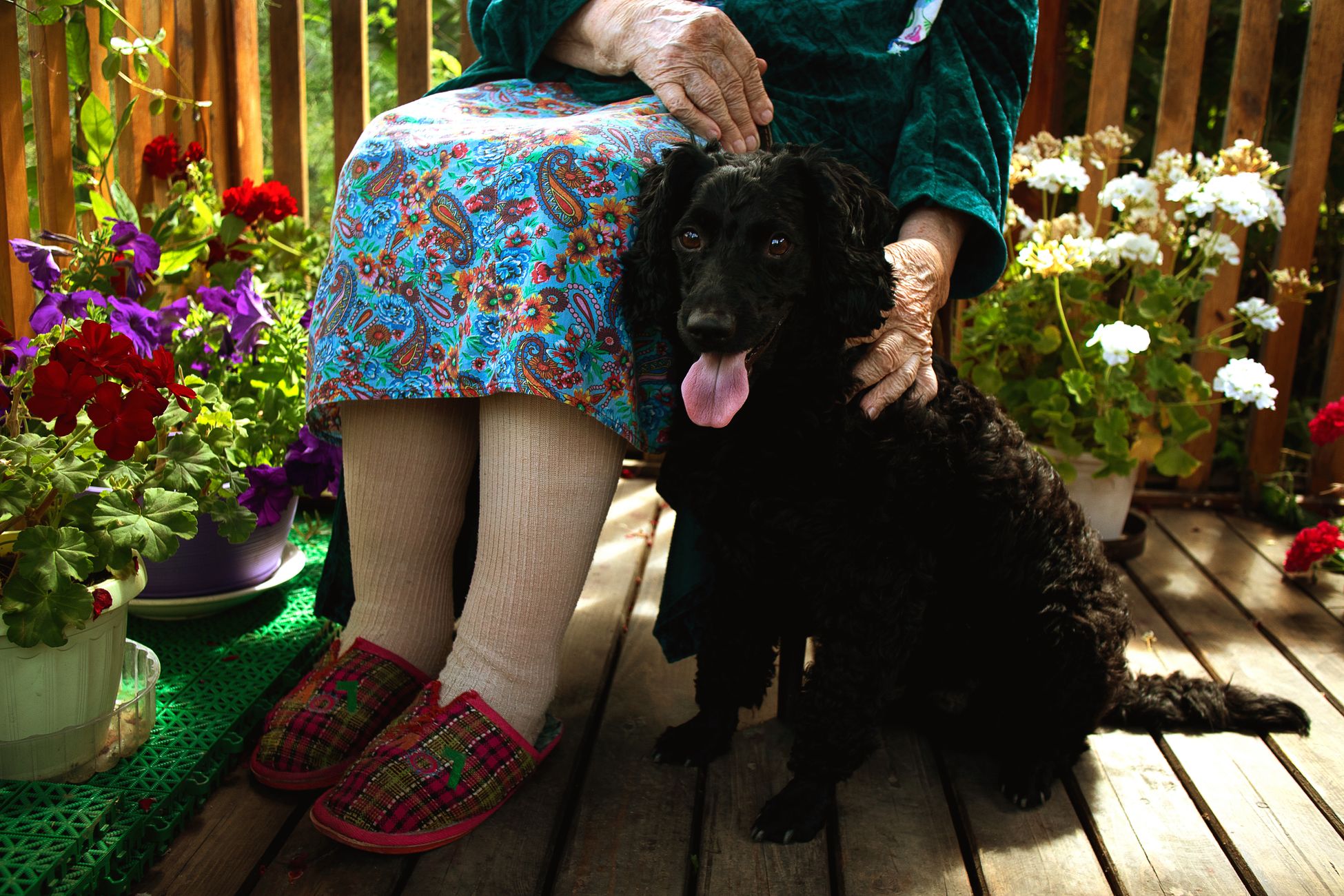
The psychology of meaning-making in later life
Purpose in later life isn’t something you find by accumulating activity — it’s something that emerges when you stop long enough to listen. Purpose often declines with age, not because older adults stop caring, but because the structures that used to supply meaning automatically — work, child-rearing, professional identity — disappear, and nothing replaces them unless the person deliberately makes room for something to emerge.
That deliberate making-of-room is the uncomfortable part. It looks like nothing from the outside. It feels like nothing on the inside. It is, paradoxically, the work.
The through-line in almost every model of successful ageing and quality of life is that well-being in later years draws on multiple dimensions at once — physical health, cognition, psychological resources, social engagement — and these don’t get assembled overnight by signing up for things.
What discomfort is actually for
There’s a piece of reporting from NPR about Hurricane Katrina survivors and post-traumatic growth that I keep returning to — the strange finding that some people emerge from acute hardship with a clearer sense of what their life is for than they had before. Not despite the discomfort. Because of it.
Retirement isn’t trauma. Let’s not overstate it. But the underlying mechanism is similar. When the scaffolding of your identity comes down, you have two options: rebuild it as fast as you can in the same shape, or sit in the open space and ask what you actually want to build now.
Most people choose the first. The grounded ones choose the second.
And the second is uncomfortable in a very specific way. It’s not dramatic suffering. It’s a low-grade, persistent unease — a feeling that you should be doing something, that you’re falling behind, that the version of you who knew what to do with a Tuesday is gone and the new version hasn’t arrived yet.
The retirees I’ve watched come through this
The ones who let themselves stay in that unease — without rushing to fix it — tend to come out the other side with something the busy ones never quite get. A friend of mine, retired from law, spent almost a year doing what she described as nothing useful. She read. She walked. She volunteered once a week at a literacy program and felt slightly guilty about how little she was doing.
Then, somewhere in month ten, she started writing letters to her grandchildren. Long ones. About her own grandmother, about the war, about what she’d learned and what she’d gotten wrong. She’s been doing it for six years now. She told me last spring that the project found her, not the other way around.
That’s the pattern. The thing that becomes your reason — the second-act thing — almost never arrives during the busy phase. It arrives during the uncomfortable one. Which is why most people never meet it.

The neuroscience of letting an answer come to you
There’s something the default mode network does when the brain isn’t being actively directed at a task. It wanders. It connects things. It reviews. The recovery of psychological vitality in later life isn’t a sprint — the meaningful shifts often take months or even a couple of years to consolidate. The body and mind require time, and they require unstructured time, not just more activity.
What I’ve come to believe, after my own six-month what now crisis and many conversations since, is that the busy retirees are unintentionally short-circuiting this process. They never give the default mode network enough room to do its work. The wandering, integrating, sense-making part of the brain is starved of the silence it needs.
Meanwhile, the ones who tolerate the discomfort — who let themselves be bored, restless, mildly disoriented for weeks or months on end — give that quiet machinery time to do what it does best: connect the threads of a long life and surface what actually matters now.
What grounded people seem to share
A few things show up consistently. They’ve stopped performing usefulness for an invisible audience. They’ve made peace with the fact that some seasons of life are for output and some are for reflection, and that confusing the two is its own kind of mistake. They’ve stopped describing themselves primarily by what they used to do.
I made a video recently about the retirement trap no one warns you about—that instinct to fill every hour with activity rather than sitting still long enough to ask what you actually want from these years. It’s uncomfortable work, but it’s the only way through.

They also tend to have a single anchoring activity, not ten. A garden. A grandchild they see on Wednesdays. A craft. A correspondence. Something small enough to hold loosely and meaningful enough to organise a day around. The grand bucket-list version of retirement tends to belong to the people who haven’t yet done the inner work. The grounded version tends to be quieter, and slightly more local, and somehow more satisfying.
And they read their own moods without panic. A flat afternoon doesn’t send them sprinting for a new hobby. They’ve learned that mild discomfort isn’t always a problem to solve — sometimes it’s a signal worth listening to, and the willingness to sit with it is what lets the next thing surface.
The practical version of all this
If you’re approaching retirement, or in the early thrashing phase of it, the most useful thing I can suggest is this: protect a stretch of time where you’re allowed to not have figured it out yet. Three months, six months, a year. Not idle, exactly. But not over-scheduled either.
Walk. Cook. Read things you wouldn’t have read while working. Notice what you’re drawn to and what you’re avoiding. Pay attention to which conversations leave you energised and which ones leave you flat. The information is there. It’s just buried under decades of professional momentum, and it takes a while to surface.
I built my Thrive In Your Retirement guide partly because so many people have never given themselves permission to sit with the question of what is this next phase for — and that nobody in their life had told them it was allowed.
It is allowed. It might be the most important thing you do.
The quiet payoff
The people who come through their back-porch summer this way often end up with something small and unforeseen. Two people they mentor, not twenty. A Wednesday with a grandchild. A correspondence. A craft they make for nobody in particular. They describe it in remarkably similar terms: the first thing they’d ever done purely because they wanted to, without anyone needing them to. They tell me they feel more like themselves doing it than they have in a decade.
I built Your Retirement Your Way because I kept meeting people who’d reached retirement only to realize they’d never asked themselves what they actually wanted from this stage of life. It’s about sitting with that discomfort long enough to design something genuinely yours, not what everyone expects retirement should look like.
They didn’t find that thing by staying busy. They found it by being uncomfortable long enough to hear what was underneath the noise. That’s the part the brochures don’t tell you. And it’s the part, I think, that matters most.