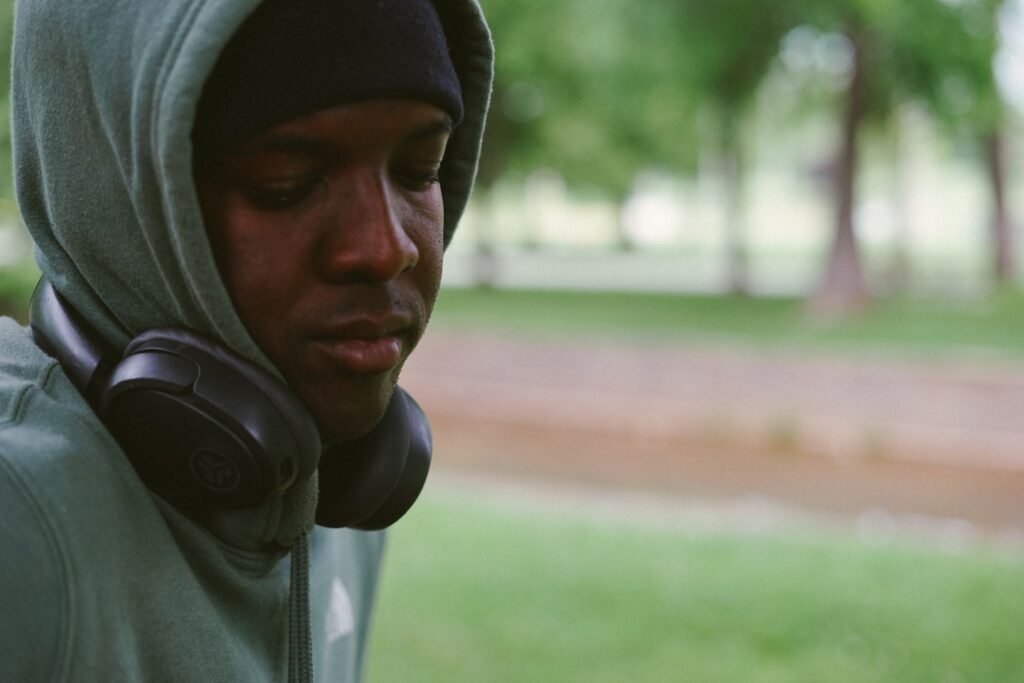
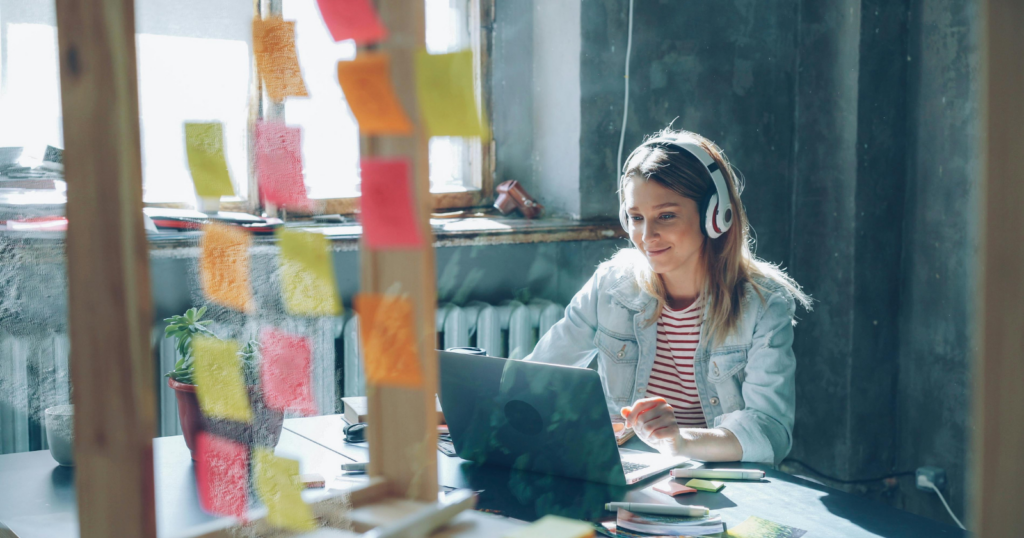
In a world that rewards constant connection, endless scrolling, and being “always on,” it can feel countercultural—maybe even a little odd—to crave time alone.
But here’s the twist: the very thing we often try to avoid—solitude—might actually be the missing ingredient to a calmer, more meaningful life.
Solitude, when chosen intentionally, is not the same as loneliness. It’s not about disconnecting from people—it’s about reconnecting with yourself.
And as neuroscience is beginning to show, solitude might just be one of the most powerful tools we have for growth, emotional clarity, and discovering who we really are.
Solitude isn’t loneliness—your brain knows the difference
We’re social creatures, no doubt. Loneliness—a lack of meaningful connection—can hurt us deeply. Research shows it lights up the same areas of the brain as physical pain.
But solitude is different. Solitude is a choice. It’s time you spend with yourself, for yourself. And when that time is intentional and nourishing, your brain responds positively.
In fact, studies show that solitude activates the brain’s default mode network—a region associated with daydreaming, memory consolidation, and introspection. It’s the part of the brain that lights up when we’re not focused on the outside world.
That downtime isn’t just fluff. It’s how your brain resets, makes meaning, and strengthens your sense of self.
Solitude supports emotional clarity and decision-making
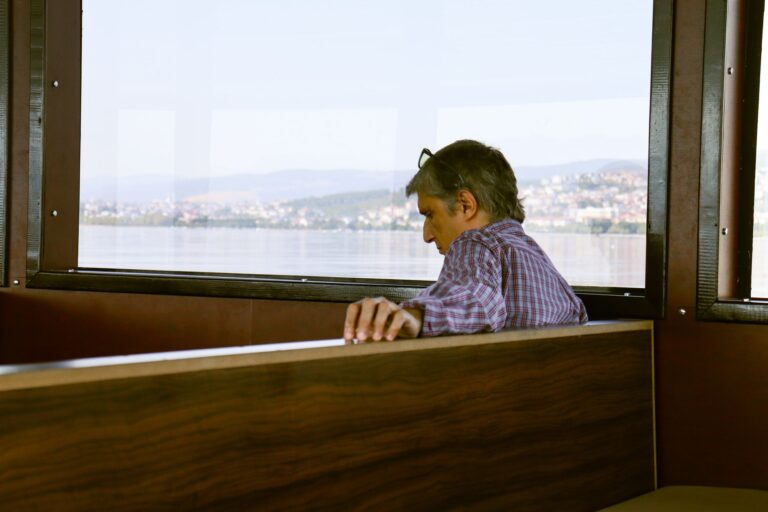
Have you ever noticed that some of your clearest thoughts arrive when you’re walking alone, journaling, or simply staring out the window?
That’s not an accident. Neuroscience shows that solitude reduces activity in the amygdala—the brain’s fear center—and increases blood flow to the prefrontal cortex, which helps with planning, reflection, and calm thinking.
Solitude gives your emotions room to breathe.
Psychologist Susan David, author of Emotional Agility, talks about the importance of creating space between stimulus and response. That’s exactly what solitude does. It creates a pause—a chance to step back, get curious about how you’re feeling, and choose your response more wisely.
In that space, we stop reacting and start responding. We become more emotionally agile, more thoughtful, more grounded.
Your most meaningful work often begins in quiet
Whether it’s writing, painting, gardening, or working through a life transition—meaningful work often begins in solitude.
Cal Newport, author of Deep Work, argues that in order to produce our best, most creative work, we need distraction-free time. Time to go deep. Time to enter what researchers call a flow state—where we’re so immersed in a task that we lose all sense of time.
This kind of deep focus isn’t just for artists. It’s for anyone who wants to create, reflect, or solve problems with clarity.
And it starts with solitude.
When you remove the noise of constant input—emails, texts, social media—you allow your brain the space it needs to generate new insights and connect the dots in powerful ways.
Related Stories from Jeanette Brown
- The ancient Stoics practised voluntary solitude not as retreat but as training: they believed a person who could not be alone with themselves was not yet free, because they were still dependent on the crowd to tell them who they were
- We assumed happiness and unhappiness sat at opposite ends of the same scale, the way hot and cold do on a thermometer — brain imaging research suggests they are better understood as two instruments playing at the same time
- High cholesterol and hearing loss don’t feel like brain conditions, but researchers now rank them among the greatest modifiable contributors to dementia — both treatable, both widely ignored
Solitude builds self-trust and resilience
One of the quietest, most underrated benefits of solitude? It strengthens your relationship with yourself.
When you regularly spend time alone—not to escape life, but to engage with it more honestly—you start to trust your own voice. You become more familiar with your values, desires, and patterns. You learn what fuels you and what drains you.
And that matters—especially during life transitions like retirement, changing careers, or navigating loss. These are times when external identities can fall away, and the question becomes: Who am I now?
Solitude helps you answer that. Not all at once, but gently, over time.
And with that answer comes something rare and powerful: self-trust.
How to practice empowering solitude (and not feel weird about it)
Here’s the good news: you don’t need to disappear into the mountains to experience the benefits of solitude.
You just need to begin.
Try setting aside 15–30 minutes a day for intentional alone time. No phone. No agenda. No need to “achieve” anything.
Here are a few simple practices to start with:
- Take a slow, silent walk around your neighborhood or in nature.
- Write in a journal—no rules, just stream-of-consciousness.
- Enjoy a morning coffee or tea without distraction.
- Sit on your balcony or by a window and watch the world go by.
- Try a meditative task like gardening, sketching, or knitting.
As you do, ask yourself this powerful question:
“What activities or practices help me feel most fulfilled or recharged when I’m alone?”
This question helps you attune to what genuinely supports your wellbeing—and reminds you that solitude is not something to be fixed or filled. It’s something to be celebrated and chosen.
Final thoughts: solitude is a muscle, not a punishment
In a culture that often confuses busyness with value, choosing solitude can feel uncomfortable at first. But like any good habit, it gets easier—and more rewarding—the more you practice.
Solitude isn’t a sign that something’s wrong. It’s often a sign that you’re growing. That you’re tuning in. That you’re becoming more yourself.
If you’re in or approaching a life transition—like retirement—solitude can be one of your greatest allies. It creates the space for reflection, for reinvention, for rediscovery.
In fact, it’s a key part of the journey I guide people through in my upcoming course, Your Retirement, Your Way: Thriving, Dreaming and Reinventing Life in Your 60s and Beyond. I invite you to subscribe to The Vessel to find out when the course is launched.
You don’t need to be everything to everyone.
Sometimes, the wisest, kindest thing you can do is simply be with yourself.
Related Stories from Jeanette Brown
- The ancient Stoics practised voluntary solitude not as retreat but as training: they believed a person who could not be alone with themselves was not yet free, because they were still dependent on the crowd to tell them who they were
- We assumed happiness and unhappiness sat at opposite ends of the same scale, the way hot and cold do on a thermometer — brain imaging research suggests they are better understood as two instruments playing at the same time
- High cholesterol and hearing loss don’t feel like brain conditions, but researchers now rank them among the greatest modifiable contributors to dementia — both treatable, both widely ignored
Navigating Life’s Transitions with Jeanette Brown
Jeanette Brown is here to guide you through life’s transitions.
On her YouTube channel, she offers practical advice and supportive strategies to help you manage personal and career changes effectively.
Her videos focus on fostering resilience and equipping you with the skills needed for self-coaching.
Subscribe here to start mastering your life transitions today.
Related Stories from Jeanette Brown
- The ancient Stoics practised voluntary solitude not as retreat but as training: they believed a person who could not be alone with themselves was not yet free, because they were still dependent on the crowd to tell them who they were
- We assumed happiness and unhappiness sat at opposite ends of the same scale, the way hot and cold do on a thermometer — brain imaging research suggests they are better understood as two instruments playing at the same time
- High cholesterol and hearing loss don’t feel like brain conditions, but researchers now rank them among the greatest modifiable contributors to dementia — both treatable, both widely ignored
Navigating Life’s Transitions with Jeanette Brown
Jeanette Brown is here to guide you through life’s transitions.
On her YouTube channel, she offers practical advice and supportive strategies to help you manage personal and career changes effectively.
Her videos focus on fostering resilience and equipping you with the skills needed for self-coaching.
Subscribe here to start mastering your life transitions today.