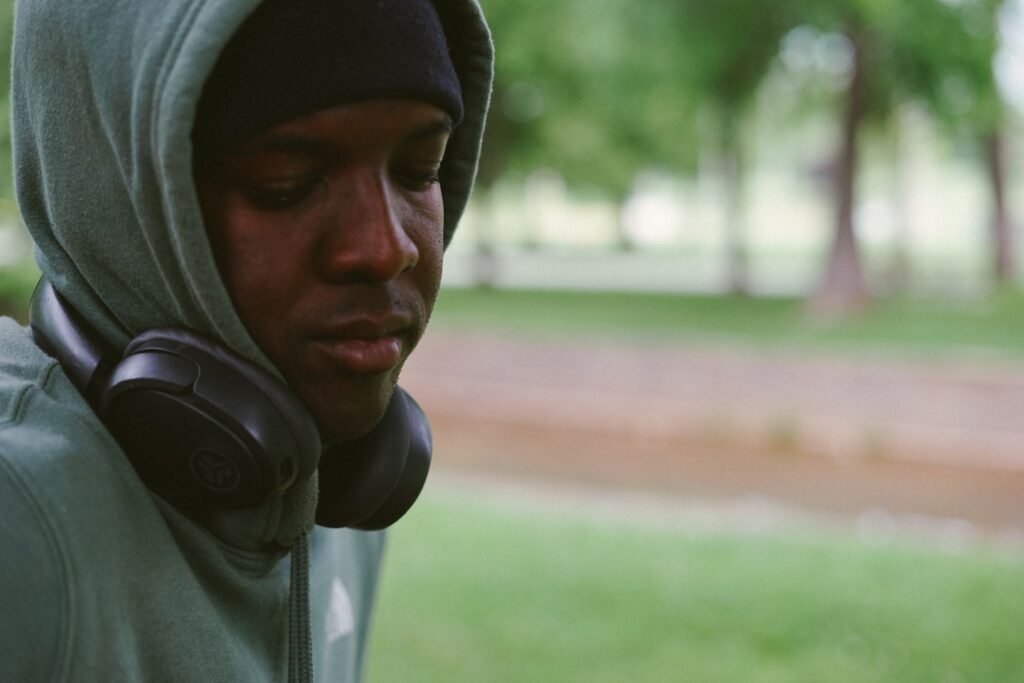
Feeling isolated in retirement is a common hurdle, and it’s one I’ve seen many tackle with grace. Acknowledging this new phase of life is the crucial first step. It’s about accepting that your daily social interactions may have changed, but that doesn’t mean your connections to others have to diminish.
Retirement brings with it a significant shift in routine, relationships, and self-perception. It is important to give yourself time to adjust. Transitions are gradual, and patience with yourself is key during this period of change.
The support network you cultivate can be a lifeline. Friends, family, and support groups offer not just companionship but also new perspectives and resources. You’re not alone in feeling alone; reaching out can open doors to communities you might not have known existed.
Staying positive might seem cliché, but it’s a powerful tool. This doesn’t mean ignoring the complexities of your emotions but rather focusing on the opportunities ahead. Retirement can be a gateway to new hobbies, interests, and personal growth if approached with an optimistic mindset.
Goals give us direction, and setting realistic ones can create stepping stones to a more fulfilling retirement life. Small, attainable goals can lead to significant achievements and help maintain a sense of purpose.
Flexibility in how you approach your days can lead to unexpected joys. This might mean tweaking your routine or trying something entirely new. Such openness can transform the unknown aspects of retirement into exciting prospects.
Self-care is non-negotiable; it’s the foundation of well-being at any age. Regular exercise, nutritious meals, adequate sleep, and activities that spark joy are all essential for maintaining both physical and mental health during this transition.
Reflection during this time can lead to profound insights about who you are and what you want from this next chapter of life. Retirement is not just an end—it’s a chance to reconnect with your inner self and discover new passions.
While change is inevitable, maintaining certain routines can provide comfort. Familiar rituals anchor us, offering stability amidst the flux of transitioning into retirement.
As we prepare to delve into the specifics, remember that dealing with loneliness in retirement is about building a balanced lifestyle that honors where you’ve been and where you’re going.
Here are the core actions you can take in order to navigate through this pivotal time.
1. Embrace a new social rhythm
Retirement alters the cadence of your social interactions. Where once colleagues and work schedules provided a steady beat, now there’s a quieter, more open space. It’s natural to feel adrift in this newfound silence. But consider it an invitation, a blank slate to cultivate meaningful connections on your own terms.
Start small by reaching out to friends for regular coffee dates or joining a club that aligns with your interests. This proactive approach can slowly fill the quiet with the music of new relationships and rekindled friendships. Just one new connection can be the note that starts a whole new melody in your life.
And as we build these connections, we find that loneliness starts to dissipate, replaced by a community of shared experiences.
2. Invest in meaningful relationships
The fabric of life is woven with threads of connection. In retirement, it’s vital to invest time in relationships that matter. This investment goes beyond casual acquaintances; it’s about deepening bonds with family and nurturing friendships that have stood the test of time.
Engage with loved ones regularly, share experiences, and offer support. These actions not only combat loneliness but also enrich your life with a sense of belonging and purpose. Each conversation, each shared laugh, adds to your emotional well-being.
Cultivating these relationships can lead to a stronger sense of community. Volunteering can extend this community spirit even further, creating new bonds and a renewed sense of contribution.
3. Discover the joy of volunteering
Volunteering opens a door to new communities and a way to fill your time with purpose. By giving back, you step into a world where every action makes a difference. This isn’t just about filling hours; it’s about fulfilling the human need to contribute and be part of something larger than oneself.
Choose a cause close to your heart, and you’ll find that in helping others, you help yourself too. The camaraderie among volunteers can blossom into lifelong friendships, and the gratitude from those you help can be profoundly heartening.
As we share our skills and compassion, we also receive. Up next, we’ll delve into how learning and personal development can continue to shape our identity and purpose in retirement.
4. Keep learning and growing
Retirement is an opportunity to become a student of life once again. The brain thrives on the stimulation of new knowledge and skills, which can be a powerful antidote to feelings of loneliness and stagnation. Whether it’s through a local workshop, an online course, or simply picking up a new hobby, continuous learning can re-energize your zest for life.
Engaging in educational activities not only sharpens the mind but also provides social benefits. It brings you into contact with like-minded individuals, creating avenues for discussion and collaboration that can lead to new friendships.
The pursuit of knowledge and skill can foster a renewed sense of identity and purpose. It contributes significantly to our overall wellbeing in retirement.
5. Prioritize physical activity
Regular physical activity is a cornerstone of healthy aging. It boosts mood, enhances social interaction, and maintains physical health. Integrating exercise into your routine doesn’t have to mean rigorous workouts; it can be as simple as daily walks, joining a dance class, or practicing yoga.
These activities can serve as social outlets as well, where group classes become communities and walking partners turn into confidants. The endorphins released during exercise are natural mood lifters, often providing a sense of accomplishment and positivity that lingers long after the activity is done.
6. Embrace technology for connection
Technology has transformed the way we connect with others, breaking down the barriers of distance and time. In retirement, embracing digital platforms can be a lifeline to family and friends, allowing for regular video chats, message exchanges, and shared online experiences.
Learning to navigate social media, virtual communities, or even gaming can lead to unexpected friendships and a sense of being part of the digital age.
It’s not just about keeping up with others; it’s about enriching your social landscape and fostering connections that bring joy and companionship into your daily life.
7. Create a fulfilling routine
Establishing a daily routine in retirement can be both comforting and empowering. A structured day provides a framework that ensures you’re not only staying active but also carving out time for self-care and personal growth. It’s about balancing leisure with activities that engage your mind and spirit.
From morning walks to evening reflection, a routine can encompass hobbies, social outings, volunteer work, and relaxation. It also sets the stage for regular social interactions, which are key in combating loneliness. A well-crafted routine becomes a personal rhythm that harmonizes the different facets of your life.
With our strategies outlined, it’s time to take the first step towards a more connected and fulfilling retirement. Remember, dealing with loneliness is not about filling every moment but rather about finding meaning in the moments we choose to fill.
8. Rekindle old passions or explore new ones
Retirement offers the perfect opportunity to revisit past passions that may have been put aside due to career or family commitments. It’s a time when you can dust off that old guitar, pick up a paintbrush, or delve into the books you’ve always wanted to read. These passions ignite a sense of joy and satisfaction that can fill your life with meaning.
Alternatively, exploring new interests can be equally rewarding. It’s never too late to discover a hidden talent or develop a new skill. Whether it’s learning a new language, starting a garden, or writing your memoirs, these pursuits can offer a fresh perspective and invigorate your zest for life.
As we cultivate these interests, we not only enrich our own lives but also increase the chances of connecting with others who share our enthusiasm.
9. Embrace change and stay flexible
Adapting to change is perhaps the most crucial aspect of dealing with loneliness in retirement. It requires an openness to new experiences and the flexibility to let go of what no longer serves you. Embracing change doesn’t mean forgetting the past; it means integrating your rich history into a new way of being.
Staying flexible allows you to navigate the unexpected twists and turns of life with grace. It helps you to stay present in the moment, ready to seize new opportunities for growth and connection. This adaptability is essential, as it can lead to a more fulfilling and dynamic retirement.
Remember that each step taken is a move toward a more connected, vibrant, and fulfilling retirement. It’s about crafting a life that reflects who you are now and who you aspire to be.
Embrace the journey and redefine your life
As we wrap up how to deal with loneliness in retirement, it’s essential to remember that this isn’t just about finding ways to fill your time—it’s about redefining what your life looks like now. We’ve discussed embracing new social rhythms, investing in meaningful relationships, discovering the joy of volunteering, and the importance of continuous learning and physical activity. Each of these points is a thread in the tapestry of a fulfilling retirement.
Technology has also emerged as a valuable tool for staying connected, and establishing a routine has been highlighted as key to introducing structure and comfort. We’ve reignited old passions or sparked new ones, and we’ve learned to embrace change with flexibility. These are not just activities; they are pathways to a richer life experience.
At the heart of this journey is the understanding that you are in control of how you respond to the changes retirement brings. It’s about choosing your attitude, embracing each day with purpose, and continuing to grow.
If you’re looking for more guidance on aligning your actions with your core values, I encourage you to download my values exercise. It’s designed to help you identify what truly matters to you, so you can live authentically and make choices that resonate with your inner self.
Remember, retirement is not an ending but a new beginning—a chance to reinvent yourself and live in accordance with your deepest aspirations. Take charge of this chapter in your life, discover what brings you joy and meaning, and step forward confidently into this new phase.
For those seeking additional strategies on embracing major life changes and thriving, I invite you to watch my video where I discuss the three phases of transition. It’s an opportunity to gain insight into managing endings, navigating the neutral zone, and welcoming new beginnings with an open heart.
And if solitude is something you’re grappling with, my video on how to be alone without feeling lonely offers practical advice for finding peace in your own company:

Retirement is your time to shine in ways you’ve never imagined.
So go ahead—embrace the journey, redefine your life, and live every moment to its fullest!