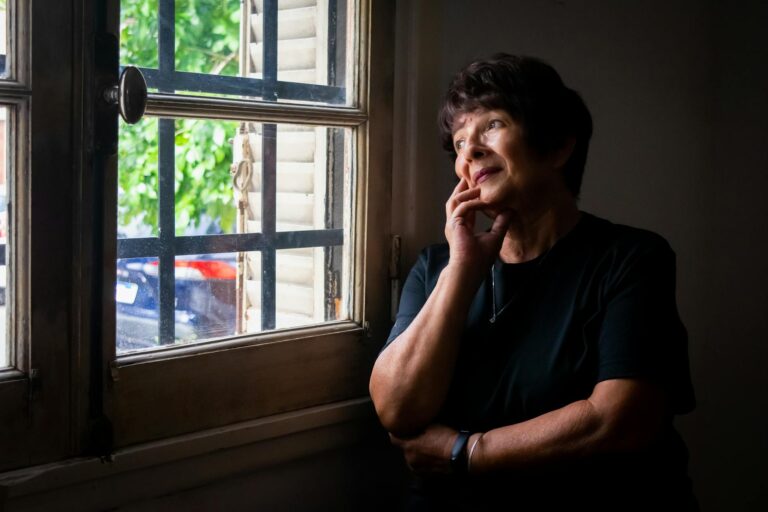
The retirees who seem most alive aren’t the ones following the standard playbook — the color-coded calendar, the structured hobbies, the itemized bucket list of countries to visit before seventy-five. They’re the ones who agreed to do something last Tuesday they had no business agreeing to. A pottery class where they didn’t know which end of the wheel to face. A salsa lesson at sixty-nine. A community board they were underqualified to join. They said yes, and the yes is doing something to their brain that no curated five-year plan ever could.
This runs counter to almost every retirement article published in the last decade. The dominant message is that successful retirement requires planning — structured hobbies, social calendars, defined purpose, an itemized list of experiences to acquire before the end. The implicit promise is that if you fill the container precisely enough, the loneliness and drift won’t get in.
What I’ve watched, is that the people who follow that script most rigorously often end up the most quietly miserable. They’re busy. They’re booked. And they’re bored in a way they can’t admit, because the calendar says they shouldn’t be. The retirees who feel most alive have done something different: they’ve made a regular practice of saying yes to things they have no idea how to do.
The brain doesn’t reward completion. It rewards uncertainty.
Here’s what’s happening neurologically. When you do something you already know how to do — even something pleasurable — your brain processes it with less engagement. You played golf. You enjoyed it. You won’t remember which Tuesday it was within a month.
Now contrast that with the first time you tried something you genuinely didn’t know how to do. The first pottery class where the clay collapsed three times. The first improv workshop where your brain blanked. That experience is vivid years later, not because it was successful, but because your brain was forced to encode it. Novelty plus mild challenge plus emotional stakes creates memorable experiences that feel like aliveness.
This is part of why stepping outside the comfort zone can build resilience and growth — even, and especially, in older adults. The comfort zone feels safe, but it’s metabolically expensive in a different way: it slowly drains the sense that anything matters.
Why the threat system fires hardest when retirement is chosen
One thing I find endlessly fascinating in neuroscience-informed coaching is how disorientation can emerge at retirement even when the person chose it. They wanted this. They saved for this. And yet the loss of structure, role, and tribe can register as disorienting, even destabilizing.
The standard response is to plug the hole as quickly as possible. Fill the calendar. Sign up for the cruise. Take the class with the predictable curriculum and the predictable people. The discomfort quiets. The illusion of normal returns. And the person stays in a kind of low-grade existential static for the next twenty years.
What the alive retirees have figured out, often without being able to articulate it, is that the way through the discomfort is not around it but into it. Saying yes to something you don’t know how to do produces a small, contained version of the same uncertainty that retirement itself triggered. Your nervous system gets practice metabolizing not-knowing in low-stakes settings. Over time, the uncertainty stops feeling like a threat and starts feeling like aliveness.
The seventy-year-old learning Mandarin
I know a retired litigator — I’ll call her Margaret — who decided at sixty-eight to learn Mandarin. Not because she planned to move to China. Not because it was on a list. A younger colleague at her old firm had children adopted from Beijing, and Margaret wanted to be able to say something meaningful at the wedding when those children grew up. That was it. That was the entire reason.
Six years in, her Mandarin is still terrible. She’ll tell you that herself, with the kind of laugh that has no defensiveness in it. But the practice has pulled her into a Mandarin meetup group, into a friendship with a Taiwanese tutor twenty years her junior, into a trip to Taipei she never imagined she’d take. Her brain at seventy-four is doing things — sound discrimination, tonal recognition, character memory — that her brain at fifty-four was not doing.
She is, by any measure I can think of, more alive than she was at the peak of her career. And nothing about it was on a list. It started with a yes to something she had no idea how to do.
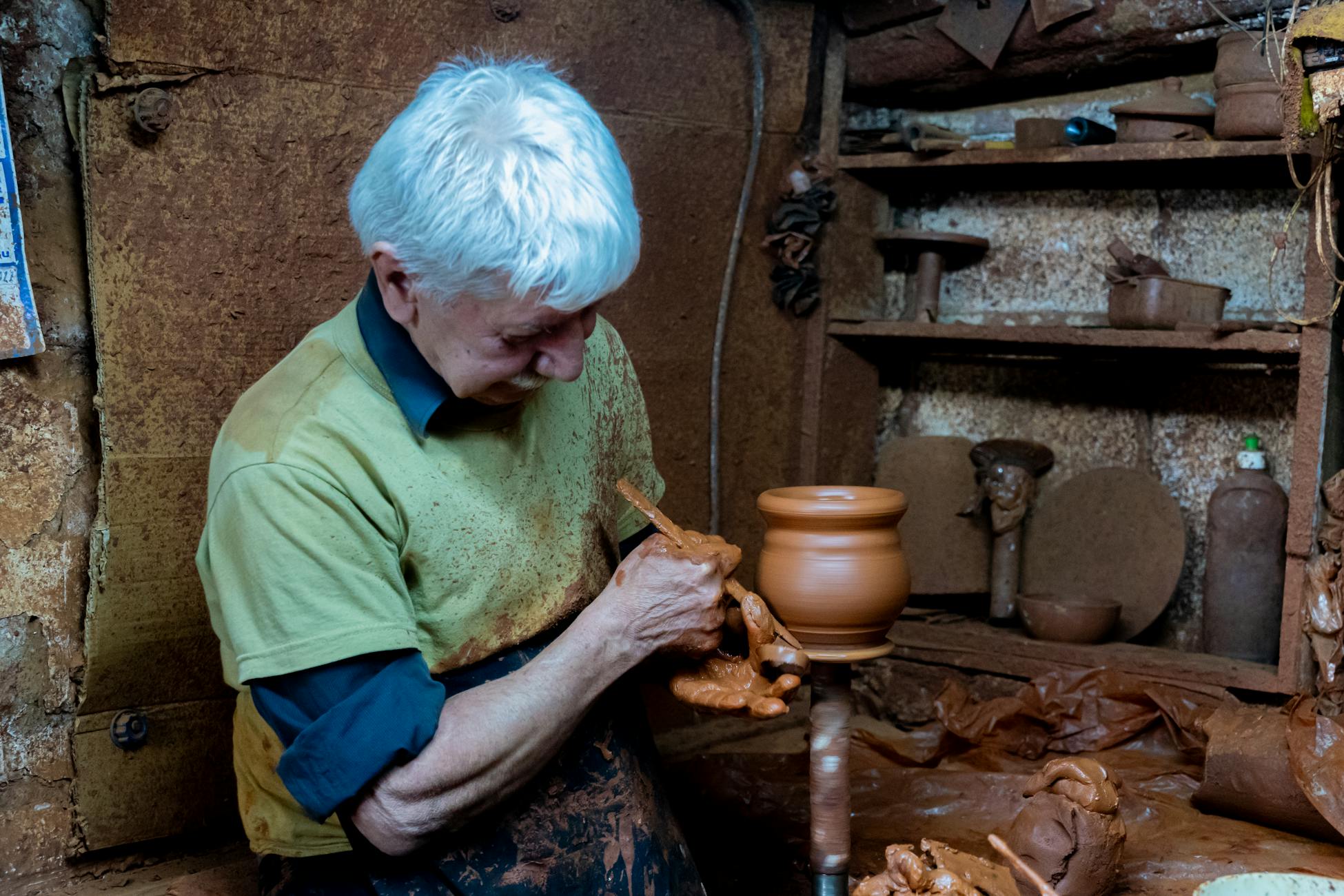
I think of a former CFO — call him Daniel — who at seventy-one said yes when his granddaughter asked if he’d help her build a wooden boat for a school project. He had never used a band saw. He had never read a hull plan. The boat took four months, leaked the first time it touched water, and somehow turned into a standing Saturday workshop where he and two other grandfathers in the neighborhood now teach kids to use hand tools. He didn’t plan any of that. He just couldn’t say no to an eleven-year-old.
And another — a retired pediatric nurse named Ellen who, at seventy-three, joined a community theater after her husband died because a friend dragged her to auditions and she didn’t have the energy to refuse. She got cast as a non-speaking villager. The next year, a small speaking role. She is now, at seventy-six, in rehearsals for something she calls the most terrifying thing she’s ever done, and she lights up when she says it. Her sleep is better. Her grief, she told me, has somewhere to go.
The pattern in all three is the same. The capacity to adapt to challenge, rather than the avoidance of challenge, seems to predict who maintains cognitive and emotional vitality into late life. None of them planned their way into aliveness. They walked into rooms they didn’t belong in yet, and the rooms changed them.
The hidden cost of being good at things
Most retirees come into this stage having spent forty years building expertise. They were good at their jobs. They were respected. They had the muscle memory of competence — walking into rooms knowing they were the most informed person there, or one of them. That kind of competence is hard to give up.
I explore this tension between structured retirement plans and meaningful spontaneity in a video I made about rethinking happiness and purpose in retirement where I share what I’ve learned about why the unplanned moments often matter most.

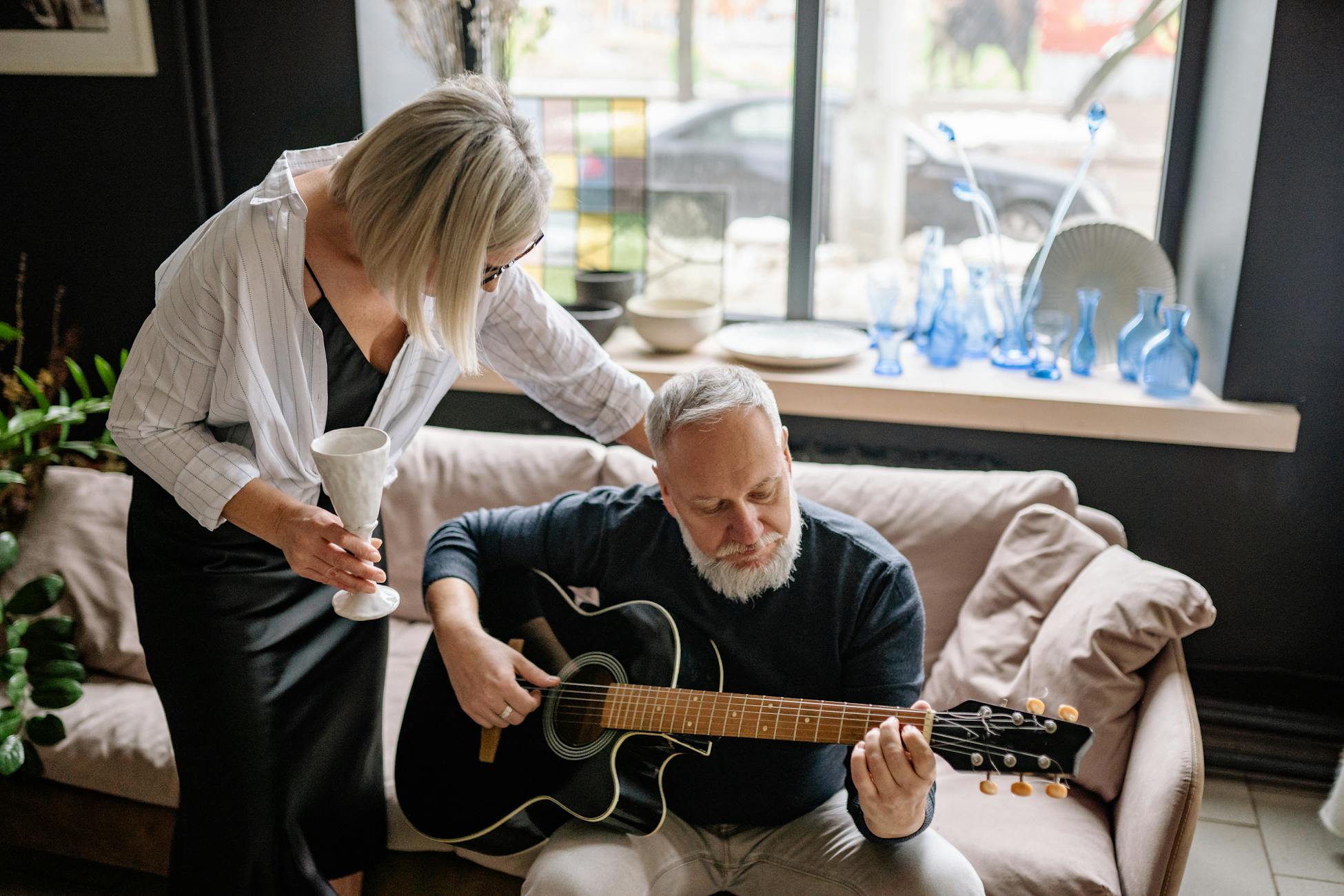
Which is why so many retirees gravitate toward hobbies they can master quickly. Bridge. Golf. Wine. Areas where their pattern-recognition skills transfer and they can re-establish a small kingdom of expertise. There’s nothing wrong with this — except that mastery and aliveness are not the same thing. The retirees doing this well have made a kind of peace with being bad at something publicly. They take the beginner’s drum class. They go to the writing workshop where the twenty-six-year-old MFA student gives them notes. And something about that willingness keeps them young in a way no anti-aging protocol matches.
What this looks like on a Wednesday
The practical translation isn’t dramatic. You don’t have to learn Mandarin. You don’t have to build a boat. The retirees thriving in their seventies often have shockingly ordinary weeks. The thing that distinguishes their week from the unhappy retiree’s week is one or two slots where they said yes to something unfamiliar.
A neighbor’s wood-carving class. A volunteer slot at an organization where they’re the new person. A book club reading something they wouldn’t have chosen. A walking group where they don’t know anyone yet. The small, repeated yes is the practice. Not the grand trip. The Tuesday night where you walked into a room as a beginner.
The retirees who feel most alive have built their weeks with deliberate room for the unfamiliar. Not every day. Not even every week. But often enough that their nervous systems stay supple, their identities stay porous, and their sense of who they’re becoming stays open. Studies on growth from adversity in older adults suggest this kind of adaptive flexibility is what separates those who bounce back from those who shrink.
If any of this resonates and you’re sitting at the edge of this transition yourself, I put together a free guide called Thrive In Your Retirement that walks through some of these questions in more depth.
I built Your Retirement Your Way for people who want to design a retirement that’s genuinely theirs—not one borrowed from someone else’s playbook. It’s about finding what brings you alive, even when you don’t have it all figured out yet.
The ones who feel most alive aren’t the ones with the most experiences. They’re the ones who, somewhere along the way, decided that being a beginner was not a stage to get past but a posture to keep returning to. They said yes to the thing they had no idea how to do. And then they said yes again.