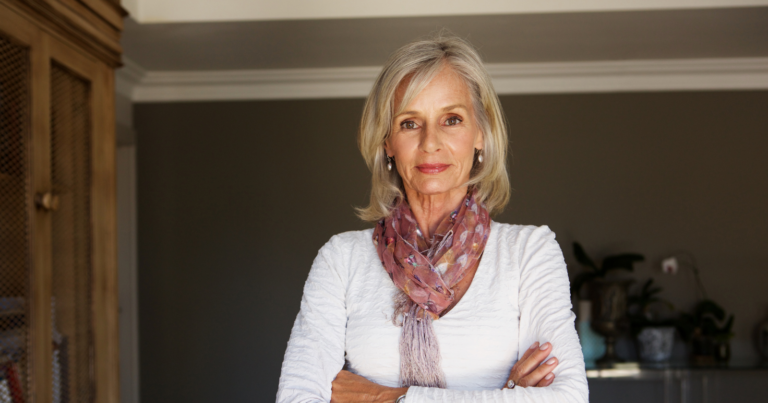
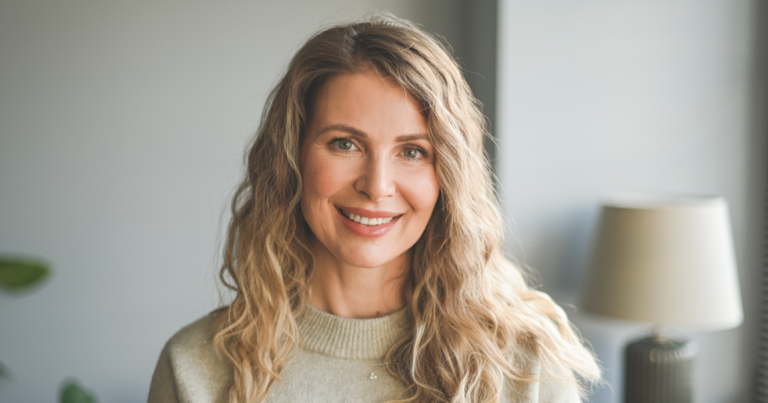
We all know people who seem to be getting better with age. They’re not just “getting by” in their 60s, 70s, and beyond—they’re thriving. They have a sparkle in their eyes, a sense of purpose in their step, and a resilience that makes life’s challenges look smaller.
Contrary to what you might think, this isn’t about luck or good genetics. It’s about daily choices and the habits they’ve nurtured over years—sometimes decades—that keep their minds sharp, their bodies active, and their spirits fulfilled.
And the good news? You can start building these same habits at any age.
Neuroscience and psychology both agree: our brains remain adaptable (thanks to neuroplasticity) and our capacity for joy, learning, and connection doesn’t have to fade with time. In fact, with the right habits, it can grow stronger.
Here are the seven habits people who thrive after 60 tend to have in common—and how you can start building them today.
1. They prioritise purpose over busyness
Once the structure of a career or raising a family changes, many people find themselves at risk of drifting. Those who thrive don’t just fill their days with random activities—they focus on activities that give them meaning.
Purpose can look different for everyone: mentoring younger colleagues, creating art, volunteering, starting a small business, or even caring for a garden. The point is that it pulls you out of bed each morning with a sense of anticipation.
Research has shown that people with a strong sense of purpose have lower rates of cognitive decline, better emotional well-being, and even a longer lifespan. It’s a kind of fuel you can’t buy, but you can create.
2. They nurture meaningful connections
The longest-running study on happiness—the Harvard Study of Adult Development—found one consistent truth: good relationships keep us happier, healthier, and living longer.
After 60, thriving people are intentional about maintaining and deepening their relationships. They don’t just rely on chance encounters; they plan coffee dates, join community groups, make regular calls, and show up for others.
It’s not about having hundreds of friends; it’s about having people in your life you can count on and who can count on you. Those bonds protect against loneliness, depression, and even physical illness.
3. They embrace lifelong learning
Thriving after 60 means keeping curiosity alive. People who keep learning—whether through books, classes, online courses, or hobbies—keep their brains sharp and adaptable.
This isn’t just about memory. Learning new skills strengthens neural pathways and builds cognitive reserve, which acts as a buffer against age-related decline.
It can also bring fresh joy and connection. Joining a language class or taking up photography can introduce you to like-minded people while also expanding your sense of what’s possible.
4. They protect their physical energy
We all know physical health matters, but thriving individuals tend to approach it in a more integrated way. It’s not about punishing workouts or restrictive diets—it’s about protecting and renewing their energy daily.
They move their bodies often, even if it’s just through walking, swimming, stretching, or dancing. They pay attention to sleep, hydration, and balanced nutrition. And they listen to their bodies, making adjustments as needed instead of pushing through fatigue.
Interestingly, research shows that even short bursts of movement—a few minutes every hour—can improve mood, mental focus, and overall vitality.
5. They cultivate emotional resilience
Life after 60 comes with change—sometimes joyful, sometimes challenging. People who thrive don’t avoid these realities, but they have strategies to process and adapt.
Related Stories from Jeanette Brown
- The older some people get, the more they realize the job wasn’t just a job — it was the container that held their friendships, their routine, and their reason to get up
- The art of thriving in chaos: 5 essential skills for your second act
- The people thriving in their seventies aren’t the ones who crammed their calendars — they’re the ones who stopped running from stillness, and met the person they’d been too busy to know their entire life
They might practice mindfulness, reframe setbacks as opportunities, or use self-compassion instead of self-criticism. Over time, these practices strengthen emotional agility—the ability to navigate a full range of emotions without getting stuck.
Neuroscience shows that resilience isn’t a fixed trait; it’s built through repeated experiences of facing challenges and recovering from them. Thriving people have learned to see this as part of the adventure of life.
6. They create small, meaningful rituals
Rituals are powerful anchors in a changing world. They tell your brain, “This is the time to focus,” or “This is the time to rest.”
It might be a morning walk, writing a short gratitude list, making tea in the afternoon, or listening to a favourite piece of music before bed. These small, repeated acts provide comfort, stability, and a sense of control.
The beauty of rituals is that they can be deeply personal—what matters most is that they’re meaningful to you and done consistently.
7. They regularly take stock of their life
Thriving people know that it’s easy to drift off course without realising it. That’s why they periodically pause to reflect on what’s working, what’s not, and what they want to adjust.
This might mean reviewing their goals every few months, checking in on whether they’re living according to their values, or simply journaling about recent experiences. Reflection creates awareness—and awareness creates the opportunity for change.
It’s not about perfection; it’s about staying intentional.
Turning habits into your personal roadmap
Reading about these habits is one thing. Embedding them into your daily life is another. That’s where structure and guided reflection make all the difference.
That’s exactly what my upcoming course, Your Retirement, Your Way: Thriving, Dreaming and Reinventing Life in Your 60s and Beyond, is designed to do.
About the course
This is not a financial planning course—it’s a life design course for your next chapter. It guides you through the process of moving from “retiring from” to “retiring into”—creating a future that excites and fulfils you.
Over six modules, you’ll:
- Clarify your vision for retirement and what you want life to look like.
- Explore the psychological and emotional transitions that come with this life stage.
- Choose goals that reflect your deepest values and create a blueprint for achieving them.
- Build healthy, science-backed habits for physical, mental, and emotional well-being.
The role of journaling in the course
A big part of Your Retirement, Your Way is guided journaling. Each module includes prompts and exercises designed to help you dig beneath the surface, explore what really matters, and translate ideas into concrete action.
Journaling isn’t just about keeping a record—it’s a tool for organising your thoughts, spotting patterns, and making decisions with greater confidence. Many past participants have told me that the journaling process helped them see possibilities they hadn’t considered before and take steps they’d been putting off for years.
Your next step
You don’t have to adopt all seven habits overnight. Start with one—maybe reaching out to an old friend, taking a daily walk, or setting aside 10 minutes to reflect. Small changes have a way of snowballing into bigger ones.
If you want guidance, support, and a proven framework to help you build these habits into your life, I’d love you to join me in Your Retirement, Your Way.
You can subscribe to The Vessel to be the first to know when enrolment opens. Together, we’ll turn your next chapter into your most creative, connected, and fulfilling one yet.
Because thriving after 60 isn’t about slowing down—it’s about designing a life that truly lights you up.
Related Stories from Jeanette Brown
- The older some people get, the more they realize the job wasn’t just a job — it was the container that held their friendships, their routine, and their reason to get up
- The art of thriving in chaos: 5 essential skills for your second act
- The people thriving in their seventies aren’t the ones who crammed their calendars — they’re the ones who stopped running from stillness, and met the person they’d been too busy to know their entire life
Navigating Life’s Transitions with Jeanette Brown
Jeanette Brown is here to guide you through life’s transitions.
On her YouTube channel, she offers practical advice and supportive strategies to help you manage personal and career changes effectively.
Her videos focus on fostering resilience and equipping you with the skills needed for self-coaching.
Subscribe here to start mastering your life transitions today.
Related Stories from Jeanette Brown
- The older some people get, the more they realize the job wasn’t just a job — it was the container that held their friendships, their routine, and their reason to get up
- The art of thriving in chaos: 5 essential skills for your second act
- The people thriving in their seventies aren’t the ones who crammed their calendars — they’re the ones who stopped running from stillness, and met the person they’d been too busy to know their entire life
Navigating Life’s Transitions with Jeanette Brown
Jeanette Brown is here to guide you through life’s transitions.
On her YouTube channel, she offers practical advice and supportive strategies to help you manage personal and career changes effectively.
Her videos focus on fostering resilience and equipping you with the skills needed for self-coaching.
Subscribe here to start mastering your life transitions today.