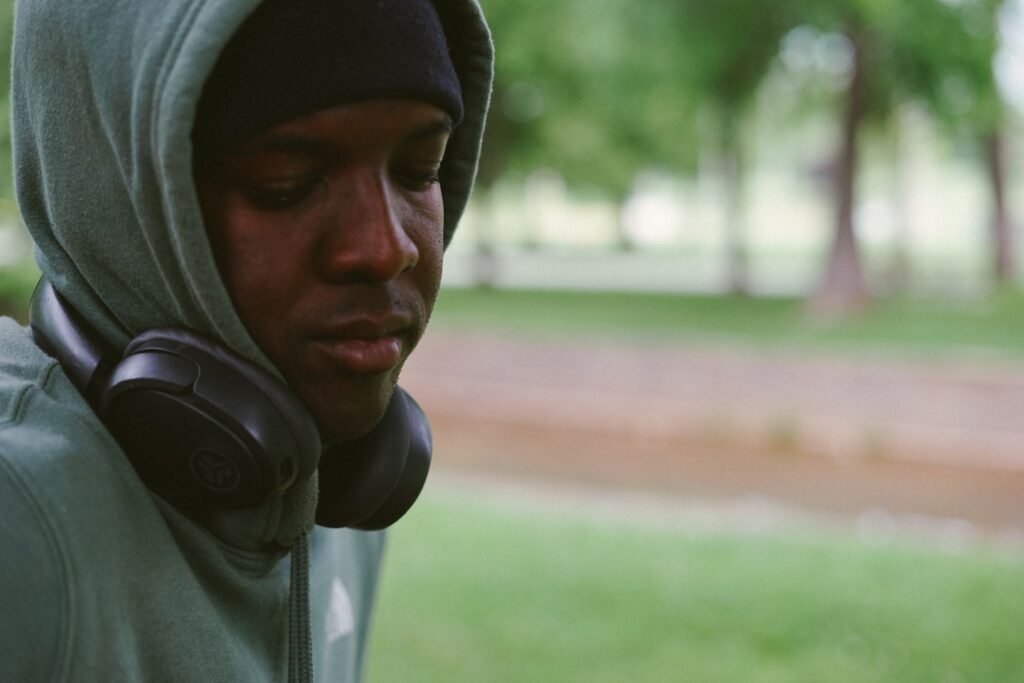
I remember sitting in my kitchen on a Tuesday morning, coffee growing cold beside me, and feeling a peculiar kind of silence. It wasn’t the quiet of solitude—my partner was upstairs, friends would call if I reached out, I had a full calendar if I wanted one. Yet there it was: that hollow ache that whispers, “You’re alone in this.”
This is the paradox of retirement loneliness that caught so many of us off guard. It’s not about being alone. It’s about something far more subtle and, frankly, far more unsettling.
Loneliness is not the same as being alone
The Harvard Study of Adult Development, one of the longest continuous studies of human happiness, reveals something that transformed how I understood what was happening in my life. The research shows that it’s not the quantity of relationships that matters for our wellbeing—it’s the quality. More specifically, it’s what researchers call “social wealth.”
I had taught this research in my courses, referenced it in speeches, yet I hadn’t truly internalised it until I was living it. The study shows that people with strong social connections live longer, healthier, happier lives than those who are isolated. But retirement puts this to the test. Suddenly, the friendships we relied on aren’t automatic anymore.
I’ve written before about how loneliness in retirement sneaks up on people here.
When we work, our social calendar is largely built for us. There are meetings, colleagues, the casual chats at lunch, the after-work drinks that we might not have chosen but which kept us connected to others. Our role gave us purpose, and that purpose was intertwined with relationships. We felt needed. We felt seen.
Retirement removes all of that scaffolding at once. Suddenly, we have to intentionally build every social connection. And here’s the thing the research whispers: many of us don’t realise we’ve been operating on autopilot when it comes to friendship and belonging.
Loneliness, research shows, is the gap between the relationships we have and the relationships we crave. It’s about feeling disconnected—from purpose, from a sense of mattering, from being truly known by others. It has nothing to do with how many people you could call if you needed to.
Why retirement exposes this gap
Our neurobiology is partly to blame. The human brain is wired for reciprocal relationships—for giving and receiving, for mattering to someone else’s life. Work gave us a clear role where we mattered. We solved problems. We helped others. We were consulted. We were relied upon.
When that framework disappears, something happens in our sense of identity. And without intentionality, our social connections can shrivel. People who were “friends” because we shared a workplace become names in our contacts list. The rituals that once bound us together dissolve.
This is where the research gets fascinating. Loneliness isn’t a moral failing or a character flaw. It’s a signal. It’s your system telling you that something important is missing. It’s evolutionary—throughout human history, loneliness has protected us by signalling that we need to reconnect with our group to survive. In retirement, this signal can feel overwhelming, but understanding its purpose changes everything.
Related Stories from Jeanette Brown
- The older some people get, the more they realize the job wasn’t just a job — it was the container that held their friendships, their routine, and their reason to get up
- The art of thriving in chaos: 5 essential skills for your second act
- The people thriving in their seventies aren’t the ones who crammed their calendars — they’re the ones who stopped running from stillness, and met the person they’d been too busy to know their entire life
The good news? Once you understand that signal, you can do something about it. Loneliness isn’t permanent, and it isn’t inevitable. It’s a message pointing you toward what needs to change.
Three practical ways to build meaningful connection
Become the architect of rituals. Work had rituals built in. In retirement, you have to create them intentionally. This might be a weekly coffee with one person, a monthly dinner club, a standing volunteer commitment, or a class where you see the same people regularly. The magic isn’t in what you’re doing—it’s in the repetition and predictability. Our brains crave this. When something is predictable, our nervous system relaxes. We know we belong somewhere. Rituals signal “I matter to someone, and someone matters to me.” They transform casual interactions into something sacred.
Find a role that allows you to matter. This doesn’t mean returning to a traditional job (unless you want to). It means finding something where your contribution makes a tangible difference. Mentoring a young professional, volunteering with a cause you care about, supporting a friend through a difficult time—these all activate the same parts of your brain that work did. You matter. You’re needed. This is neurochemistry at its finest.
Invest in depth, not breadth. This is where the Harvard research really sings. You don’t need a hundred acquaintances. You need a handful of people who genuinely know you and whom you genuinely know. Choose a few relationships and go deeper. Share vulnerabilities. Ask real questions. Let yourself be seen. These are the friendships that sustain us, especially in retirement when we have more time and emotional bandwidth to give.
A final thought: be patient with yourself in this transition. Loneliness in retirement isn’t something you fix overnight. You’re essentially relearning how to belong after decades of automatic belonging. You’re building a social life from scratch, and that takes intention, courage, and time. But the research is clear—this effort is worth every moment. The relationships we build in retirement, the connections we nurture with intention, become some of the richest and most meaningful of our lives.
That Tuesday morning in my kitchen, when I recognised the loneliness, it wasn’t really about needing more people in my life. It was about recognising that I had drifted into isolation without meaning to. Once I understood that, I could act. I rebuilt rituals. I volunteered in ways that mattered to me. I deepened a handful of friendships. And something shifted.
The silence didn’t disappear. But it changed. It became peaceful rather than empty. And that, I’ve learned, is the real gift of understanding the science of connection. You can design your retirement around what actually matters—and that includes the people who make you feel truly alive.
If this resonated
I’ve put together a free guide — A Guide to Thriving in Your Retirement Years — for readers who want to go deeper on the emotional transition most of us never prepare for. Get it, plus a weekly letter from me on the quieter truths of the second act.
Read more reflections: Second Act Stories →
Related Stories from Jeanette Brown
- The older some people get, the more they realize the job wasn’t just a job — it was the container that held their friendships, their routine, and their reason to get up
- The art of thriving in chaos: 5 essential skills for your second act
- The people thriving in their seventies aren’t the ones who crammed their calendars — they’re the ones who stopped running from stillness, and met the person they’d been too busy to know their entire life
Navigating Life’s Transitions with Jeanette Brown
Jeanette Brown is here to guide you through life’s transitions.
On her YouTube channel, she offers practical advice and supportive strategies to help you manage personal and career changes effectively.
Her videos focus on fostering resilience and equipping you with the skills needed for self-coaching.
Subscribe here to start mastering your life transitions today.
Related Stories from Jeanette Brown
- The older some people get, the more they realize the job wasn’t just a job — it was the container that held their friendships, their routine, and their reason to get up
- The art of thriving in chaos: 5 essential skills for your second act
- The people thriving in their seventies aren’t the ones who crammed their calendars — they’re the ones who stopped running from stillness, and met the person they’d been too busy to know their entire life
Feeling lost or unfulfilled?
Jeanette Brown’s “Your Life Review” video is designed to help you identify key areas in your life that need improvement.
Through a simple yet powerful exercise, you’ll assess your current satisfaction across different life domains, allowing you to pinpoint specific areas for growth.
This life review forms the foundation for creating a clear vision, setting aligned goals, and developing a personalized action plan.
Take the first step towards a more satisfying life. Start your Life Review now and gain immediate access to this transformative exercise.