Author name: Graeme Brown

Graeme Brown is a writer and editor based in Australia. He spent his career in education, first as a high-school mathematics teacher and then as an assistant principal, before moving into editing and later co-founding Global English Editing. He is married to Jeanette Brown. On this site he writes about retirement and the years after work, with a teacher's instinct for what helps ideas land and an editor's eye for clear, honest writing.

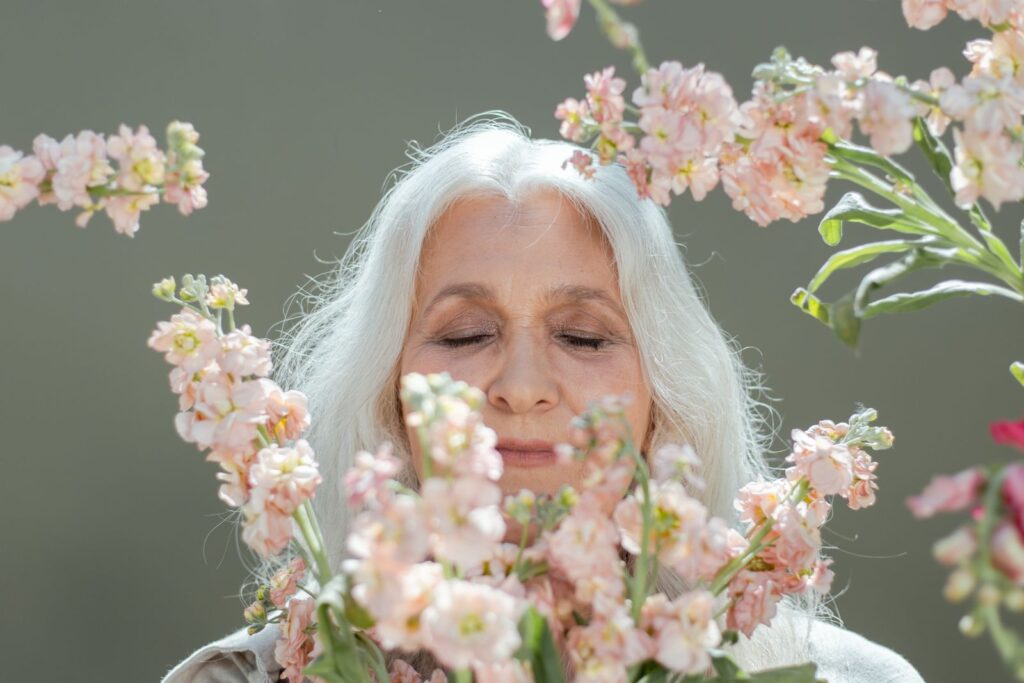
Older woman with long white hair and eyes closed, smiling peacefully among pink blossoms

If you expect every day to feel good, every task to be perfect and every choice to be the best one, research suggests those quiet expectations may be costing you more peace than you realise

Small daily expectations, such as always feeling happy, never feeling low, getting everything perfect and always choosing the best, can quietly wear down our peace. Research suggests gentler expectations leave more room for contentment.

If you expect every day to feel good, every task to be perfect and every choice to be the best one, research suggests those quiet expectations may be costing you more peace than you realise Read More »

Friends smile and pass a bowl of cherry tomatoes around a shared table of food and drinks.

People who light up a room are often not the loudest. Research suggests warmth, real interest in others and a good mood are what spread

People who light up a room are often not the loudest. Research suggests warmth, genuine attention and a good mood that spreads to others matter most, and all can be practised.

People who light up a room are often not the loudest. Research suggests warmth, real interest in others and a good mood are what spread Read More »

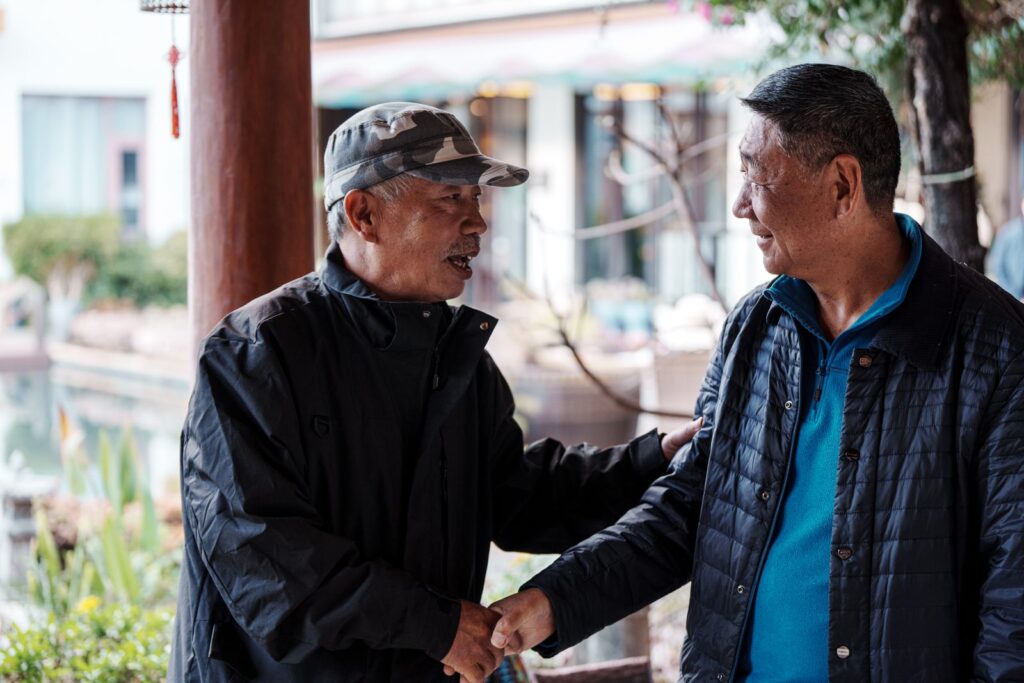
Two older men shake hands and smile as they greet each other outdoors.

Forgetting a name moments after hearing it is common at every age, and research suggests the brain finds names harder to hold onto than other details, such as what a person does for a living

Forgetting a name moments after hearing it is common at every age. Research explains why names are so slippery, and when forgetting is worth checking.

Forgetting a name moments after hearing it is common at every age, and research suggests the brain finds names harder to hold onto than other details, such as what a person does for a living Read More »

Older woman sitting on a sofa with an open book, resting her head on her hand in thought

If you’d rather think a problem through than be handed the answer, research suggests that habit of mind may be doing you more good than you realise

If you’d rather think a problem through than be handed the answer, decades of research on ‘need for cognition’ and intellectual humility suggest that habit may sharpen your judgement and go hand in hand with a healthier, more engaged mind as you age.

If you’d rather think a problem through than be handed the answer, research suggests that habit of mind may be doing you more good than you realise Read More »

An older tailor with a tape measure around his neck cuts dark fabric with large scissors in a workshop.

If retirement is on the horizon, research suggests working a little longer, even part-time, may be good for health, though stopping suits some people better

Staying in work a little longer, or easing out gradually, has been linked to better health and memory, though for some people stopping is the healthier choice.

If retirement is on the horizon, research suggests working a little longer, even part-time, may be good for health, though stopping suits some people better Read More »

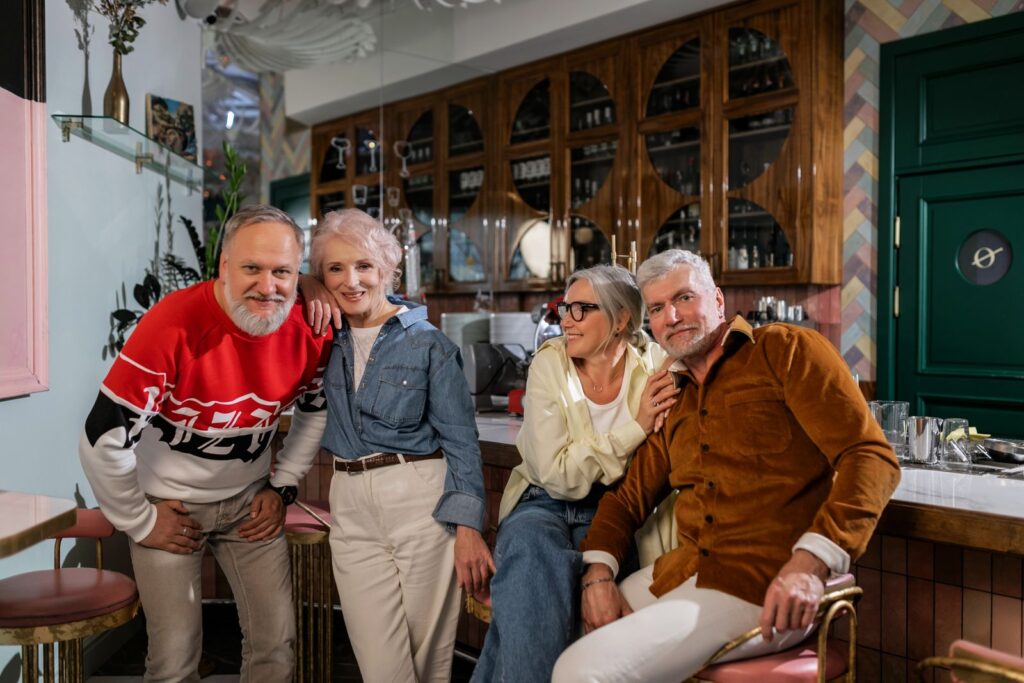
Four older friends smile together beside the counter of a cafe.

Some people reach their 80s with a memory as sharp as someone 30 years younger, and research into these “SuperAgers” points to what they tend to share

Some people reach their 80s with a memory as sharp as someone 30 years younger. Research into these “SuperAgers” offers clues about what helps, and what it can’t yet promise.

Some people reach their 80s with a memory as sharp as someone 30 years younger, and research into these “SuperAgers” points to what they tend to share Read More »