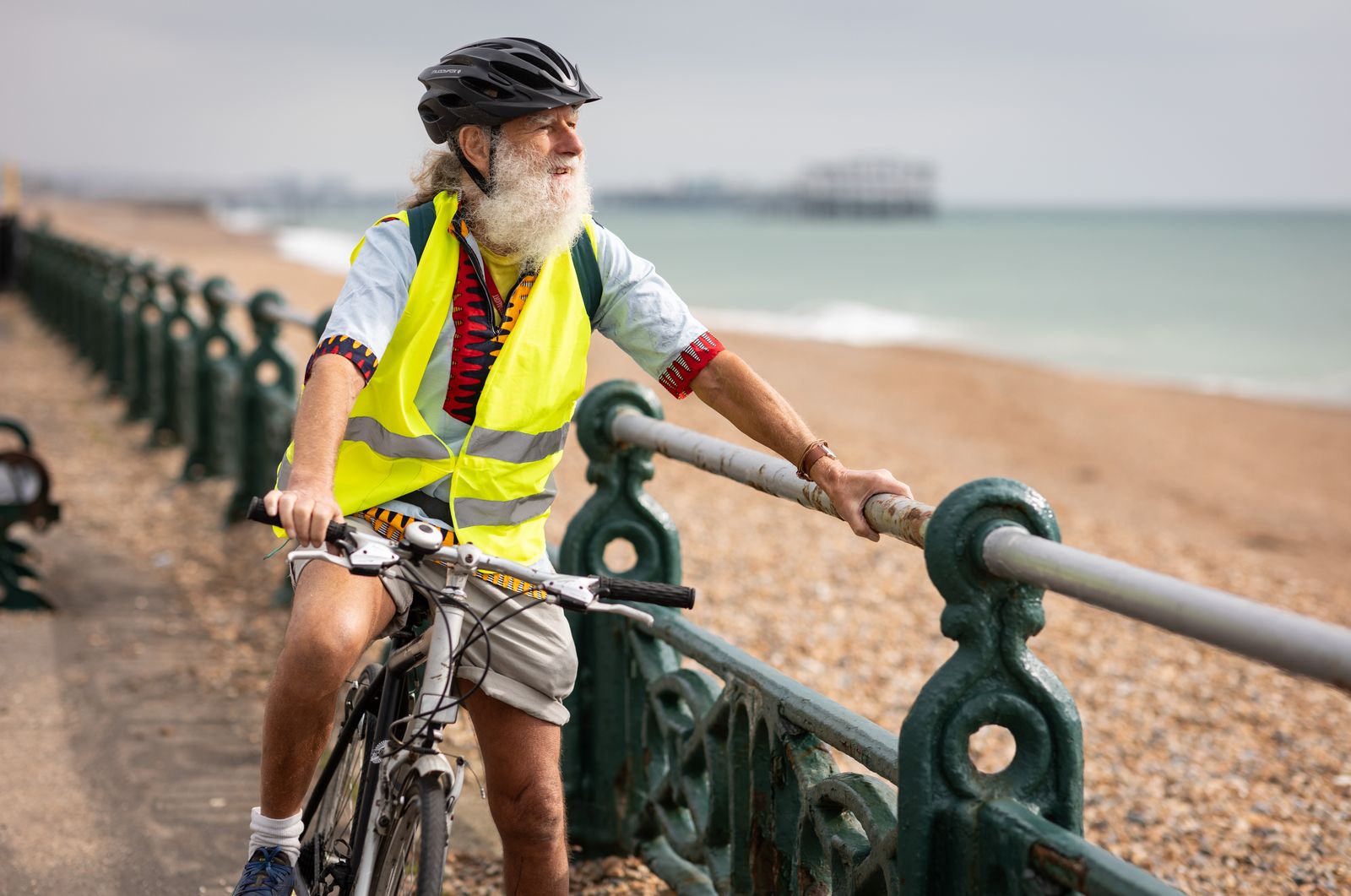
If you enjoy cycling and have knee osteoarthritis, you may wonder whether riding is still a good option. A large review of exercise gives some context for that choice.
A large 2025 review found that aerobic exercise ranked highest overall among exercise categories for people with knee osteoarthritis. Walking, cycling and swimming are examples of aerobic exercise.
This is general information about research, not medical advice. If you have knee pain or a diagnosed knee condition, a GP or physiotherapist can help work out what suits you.
What the biggest review found
The review, led by Lei Yan and colleagues and published in The BMJ in October 2025, pulled together 217 randomised trials from 1990 to 2024, involving 15,684 people with knee osteoarthritis. It compared six broad kinds of exercise: aerobic exercise, strengthening, flexibility, mind-body practices such as tai chi and yoga, neuromotor or balance training, and mixed programs.
Aerobic exercise had the highest overall chance of being the most helpful. With what the researchers rated as moderate-certainty evidence, it brought large improvements in pain in the short and medium term, and better day-to-day function in the short, medium and longer term. It also improved walking ability and quality of life.
Other exercise categories showed benefits too. Strengthening and mixed programs improved function over the medium term, mind-body exercise helped function in the short term, and balance-style training improved walking in the short term.
Only a minority of trials reported side effects, which limits what the review can say about safety.
Where cycling fits
The ranking applies to aerobic exercise as a group. The choice of activity can reflect what feels manageable and what you enjoy.
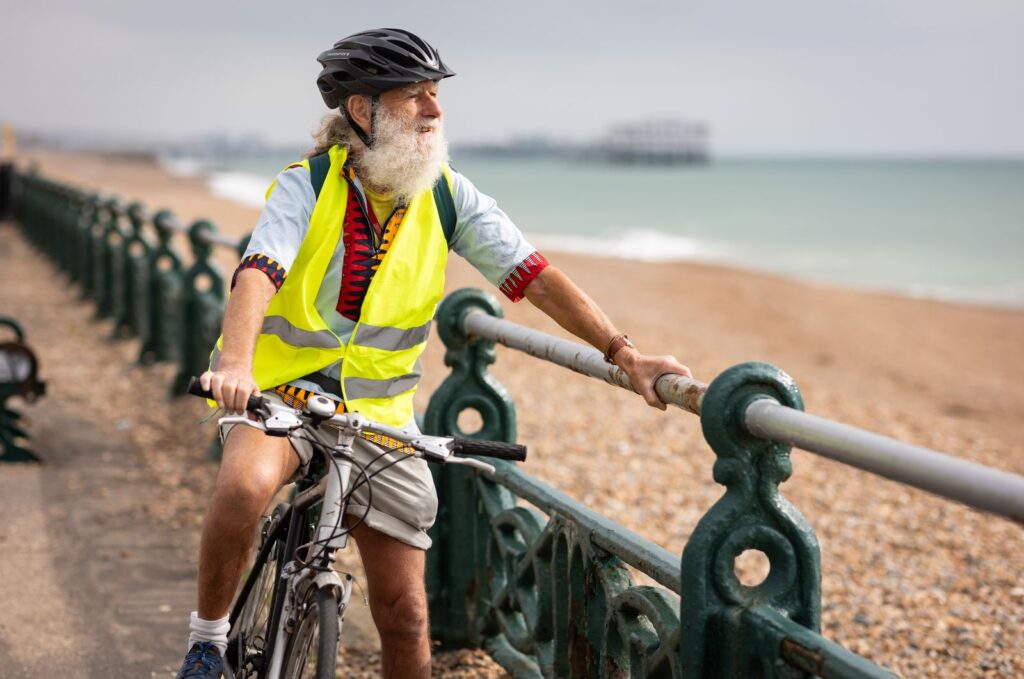
That is good news for anyone who enjoys riding. A stationary bike or a gentle ride on flat ground lets the knee bend and straighten repeatedly while the seat carries much of the body’s weight. For many people with stiff or painful knees, that makes it one of the more comfortable ways to stay active.
Starting with short, easy sessions and building up gradually is a sensible approach with any new exercise. If riding causes discomfort, a physiotherapist can look at practical details such as seat height and resistance.
The case for walking too
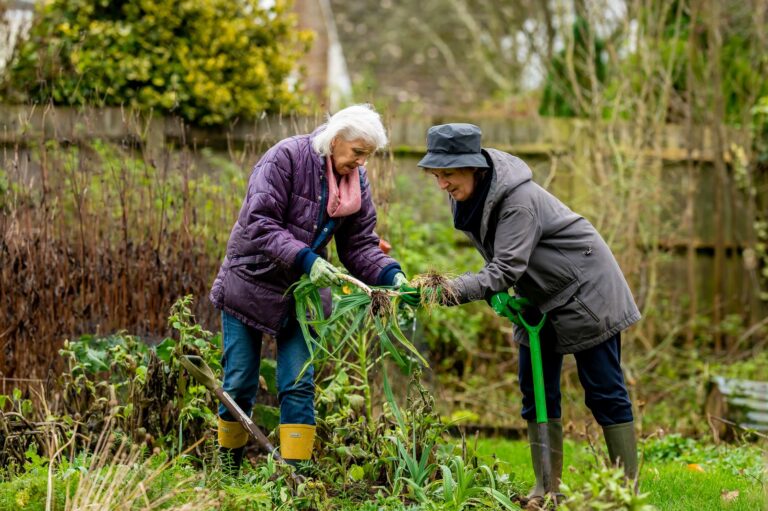
Walking has its own encouraging evidence. In a 2022 study in Arthritis & Rheumatology, Grace Lo and colleagues at Baylor College of Medicine in the United States looked at 1,212 people aged 50 and over who already had signs of knee osteoarthritis on X-ray. Those who reported walking for exercise had 40 per cent lower odds of developing new, frequent knee pain over the following years than those who didn’t. They also showed slightly less narrowing of the joint space, a common marker of osteoarthritis getting worse.
The study had limits. It was observational, so people who walk may differ in other ways from those who don’t, and walking was reported from memory. Among people who already had frequent knee pain at the start, walkers were no more likely than non-walkers to see their pain improve. Lo’s view was that walking may be most useful before daily pain sets in.
Related Stories from Jeanette Brown
- If you expect every day to feel good, every task to be perfect and every choice to be the best one, research suggests those quiet expectations may be costing you more peace than you realise
- Forgetting a name moments after hearing it is common at every age, and research suggests the brain finds names harder to hold onto than other details, such as what a person does for a living
- Some people reach their 80s with a memory as sharp as someone 30 years younger, and research into these “SuperAgers” points to what they tend to share
Walking and cycling don’t need to compete. Many people find that mixing them, along with swimming or water exercise, keeps things interesting and spreads the load.
What Australian guidance says
In August 2024, the Australian Commission on Safety and Quality in Health Care released an updated Osteoarthritis of the Knee Clinical Care Standard, which sets out the care people aged 45 and over should receive for suspected knee osteoarthritis. Knee osteoarthritis affects about 1.2 million Australians.
The standard puts physical activity, exercise and weight management at the centre of care. It asks clinicians to reassure patients that exercise is safe and won’t damage the joint, and to tailor exercise to each person’s needs and preferences. It also discourages routine scans and treats surgery as a later option rather than a quick fix. As Bicycle Network noted in its summary of the standard, patients are to be told that nine out of 10 people with knee osteoarthritis can manage without needing joint replacement surgery. In the Commission’s announcement, GP and medical adviser Dr Phoebe Holdenson Kimura said non-surgical approaches such as physical activity, exercise and weight management make a big difference to quality of life for most people with knee osteoarthritis.
In other words, the national advice is not built around one “right” activity. It is built around finding exercise a person will actually do, at a level that suits them.
Strength still matters
While aerobic exercise ranked highest in the BMJ review, strengthening exercise brought large gains in function over the medium term. Strong thigh and hip muscles help support the knee during everyday tasks such as climbing stairs or getting out of a chair.
A physiotherapist can help you choose strengthening exercises and work them into a routine that suits your knee and your daily activities.
What the research can’t tell us
The BMJ review combined trials of differing quality and length, and the evidence for longer-term benefits was less certain than for the short and medium term. It looked at people with knee osteoarthritis, not everyone over 60, and it didn’t compare walking, cycling and swimming against each other directly.
The walking study was observational and can’t prove that walking prevents knee pain. And neither study can say what will work for any one person, whose knees, fitness and other health conditions may be quite different from the average participant’s.
A suddenly hot, swollen and painful knee needs urgent medical assessment. If knee pain is gradually worsening, speak with your GP.
The best activity is the one you keep doing
For people with knee osteoarthritis who enjoy cycling, a comfortable ride can be one way to stay active. Walking and swimming are also options.
Choose an activity you enjoy and can do regularly at a level that suits you. A gentle ride, a walk with a friend or a few laps of the local pool are all ways to get moving.
Related Stories from Jeanette Brown
- If you expect every day to feel good, every task to be perfect and every choice to be the best one, research suggests those quiet expectations may be costing you more peace than you realise
- Forgetting a name moments after hearing it is common at every age, and research suggests the brain finds names harder to hold onto than other details, such as what a person does for a living
- Some people reach their 80s with a memory as sharp as someone 30 years younger, and research into these “SuperAgers” points to what they tend to share
Navigating Life’s Transitions with Jeanette Brown
Jeanette Brown is here to guide you through life’s transitions.
On her YouTube channel, she offers practical advice and supportive strategies to help you manage personal and career changes effectively.
Her videos focus on fostering resilience and equipping you with the skills needed for self-coaching.
Subscribe here to start mastering your life transitions today.
Related Stories from Jeanette Brown
- If you expect every day to feel good, every task to be perfect and every choice to be the best one, research suggests those quiet expectations may be costing you more peace than you realise
- Forgetting a name moments after hearing it is common at every age, and research suggests the brain finds names harder to hold onto than other details, such as what a person does for a living
- Some people reach their 80s with a memory as sharp as someone 30 years younger, and research into these “SuperAgers” points to what they tend to share
Feeling lost or unfulfilled?
Jeanette Brown’s “Your Life Review” video is designed to help you identify key areas in your life that need improvement.
Through a simple yet powerful exercise, you’ll assess your current satisfaction across different life domains, allowing you to pinpoint specific areas for growth.
This life review forms the foundation for creating a clear vision, setting aligned goals, and developing a personalized action plan.
Take the first step towards a more satisfying life. Start your Life Review now and gain immediate access to this transformative exercise.