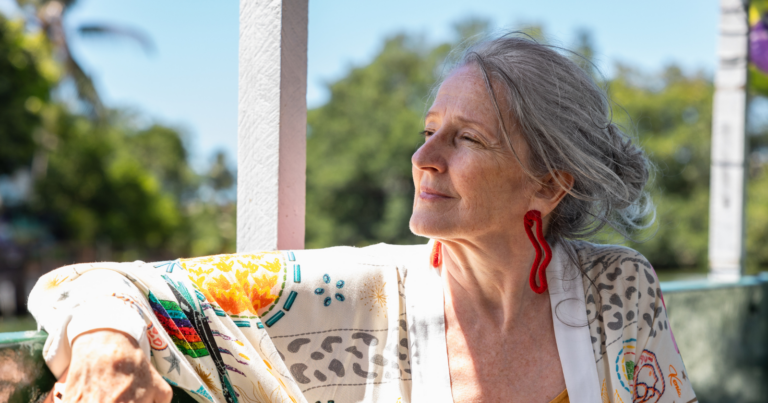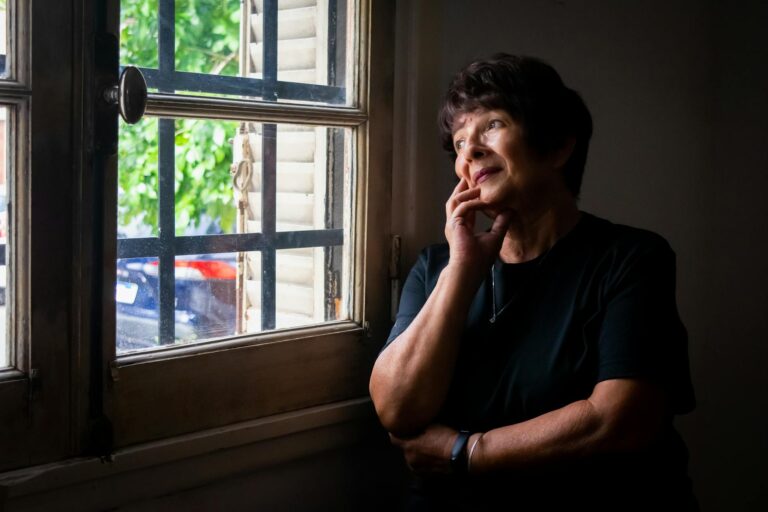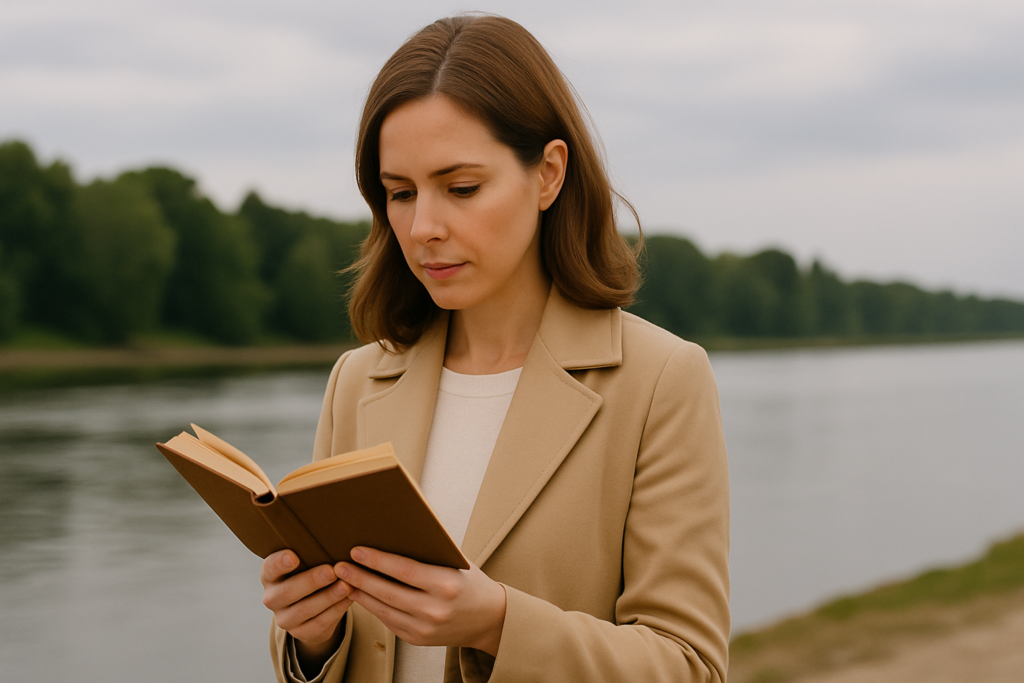
Julie didn’t retire with a grand plan to see the world.
In fact, when she first finished work, she thought travel would be something she did occasionally — a reward, perhaps, after decades of being reliable, useful, and needed. A few weeks away here and there. A visit to somewhere she had always wanted to go. Maybe a cruise one day, or a walking tour if she felt brave enough.
But what surprised her was not how much she enjoyed travelling.
It was how much she enjoyed planning it.
She would sit at the kitchen table with a notebook, a cup of tea, and a growing collection of saved places, train routes, small hotels, village markets, walking paths, and local cafés. She wasn’t looking for the fastest itinerary or the most impressive photos. She was looking for something slower. Something that would let her arrive, breathe, notice, and feel part of a place for a little while.
At first, her friends teased her.
“You’re always planning another trip,” one said.
Julie laughed it off, but privately she wondered whether they were right. Was she avoiding ordinary life? Was she filling retirement with movement because she didn’t quite know how to be still?
Then she noticed something important.
Her travel wasn’t making her more restless. It was making her more present.
Julie had no interest in rushing through retirement
Before retirement, Julie’s life had been full of structure. Work gave her a calendar, a reason to get up, people to talk to, problems to solve, and a clear sense of usefulness.
When that structure disappeared, she didn’t fall apart. But she did feel the strange quiet that many people experience after leaving a long career.
There was time. So much time.
And although that sounds wonderful from the outside, time can feel surprisingly confronting when it is suddenly handed back to you.
Julie didn’t want retirement to become a long stretch of keeping busy for the sake of it. She didn’t want to fill every day with errands, appointments, television, and the occasional lunch. She wanted to feel awake in her life again.
That became the quiet beginning of her slow travel habit.
She didn’t book frantic tours or attempt to tick off ten cities in fourteen days. Instead, she began choosing one place and staying there long enough to settle into its rhythm. She would rent a small apartment, find the local bakery, walk the same lane each morning, learn the bus route, and return to the same café until the owner began to recognize her.
To some people, that might not sound exciting enough.
To Julie, it felt like coming alive.
A new study suggests travel may support healthy aging
Recently, a study from Edith Cowan University explored tourism through the lens of entropy — a concept linked with disorder and decline in systems. The researchers suggested that positive travel experiences may help support the body’s balance and resilience, partly because travel often combines movement, novelty, relaxation, social connection, and new environments.
I want to be careful here, because this is exactly the sort of research that can easily be turned into a headline that promises too much.
Travel is not a cure for aging. It does not replace medical care, good sleep, nourishing food, exercise, financial stability, or meaningful relationships. And the researchers also noted that stressful, unsafe, or negative travel experiences may have the opposite effect, adding strain rather than reducing it.
But the idea is still fascinating.
Because when you look at Julie’s retirement, you can see many of the elements the researchers are talking about.
She moves more when she travels. She walks because there is something to see. She climbs stairs slowly because there is a church bell ringing at the top of the hill. She wanders through markets, along rivers, through old streets and gardens.
She connects more. Not dramatically, but gently. A conversation with a shopkeeper. A smile from someone at the next table. A brief chat with another traveller. A message to her family with a photo and a little story attached.
She notices more. The colour of shutters. The shape of clouds. The way people greet each other in the morning. The sound of church bells or birds or footsteps on cobblestones.
And perhaps most importantly, she feels more curious.
Slow travel gave Julie a new identity
One of the biggest hidden challenges of retirement is not boredom. It is identity.
For decades, many people know who they are because of what they do. Their role gives them shape. Their work gives them a place in the world. Their competence is noticed. Their decisions matter.
Then retirement arrives, and the old identity loosens.
This can be freeing, of course. But it can also feel unsettling.
Julie used to introduce herself by her work. She had a title, responsibilities, and a professional history she could explain in one sentence. After retirement, she found herself pausing when people asked, “And what do you do?”
At first, she said, “I’m retired,” but the word felt too flat. Too final. As if she had stepped out of the main story and into the footnotes.
Travel changed that.
Not because it gave her a new title, but because it gave her a new way of seeing herself.
She became someone who researched. Someone who explored. Someone who learned a few phrases before arriving in a country. Someone who knew how to pack lightly, read train timetables, find quiet places, and design days around beauty rather than obligation.
She became, in her own words, “a student of places.”
That is a lovely phrase.
And it matters because retirement is not just about leaving work. It is about discovering who you are when the old roles no longer define you.
Planning became part of the pleasure
Julie often says that half the joy of travel begins before she leaves home.
She enjoys the anticipation. The researching. The small decisions. The imagining. She likes reading about a region’s history, finding local walks, watching videos, checking maps, and building a loose plan that still leaves room for surprise.
This kind of planning gives her retirement a sense of forward motion.
Not frantic ambition. Not pressure. Not the old productivity drive dressed up in leisure clothes.
Related Stories from Jeanette Brown
- This remarkable centenarian is still contributing at 100 — and when I read his story, I realised he embodies all four ingredients of a truly fulfilling life
- I didn’t suddenly find myself alone in my 60s—the connections that had held my life together simply began to disappear
- Dolly Parton never let age decide what came next—her extraordinary second act shows us how purpose, connection, energy and vision can keep life moving forward
Something gentler.
A reason to look ahead.
That matters more than many people realise. Some people reach retirement and feel as if the most exciting parts of life are behind them. They may not say it out loud, but a quiet belief settles in: it’s too late now.
Too late to begin again.
Too late to travel.
Too late to learn.
Too late to become someone new.
Julie’s life quietly challenges that belief.
She did not become a slow traveller at thirty. She became one in retirement. She did not need to have everything figured out before she began. She started with one trip, then another, then another. Each journey taught her something about what suited her now.
That is the part I find so encouraging.
It is not too late to want something different. It is not too late to become curious again. It is not too late to design a version of retirement that feels more like you.
Being in the moment became easier away from home
At home, Julie sometimes found her mind slipping into old patterns.
Had she done enough today? Should she be more useful? Was she wasting time? Should she volunteer more, exercise more, declutter more, see more people, be more grateful?
Retirement had removed the deadlines, but not the inner pressure.
Travel softened that.
When she was away, especially when she stayed in one place long enough to settle, she found it easier to be where she was. She could sit in a square for an hour without feeling guilty. She could spend a morning walking slowly through a garden. She could eat lunch without scrolling through her phone or mentally planning the next five tasks.
Slow travel gave her permission to inhabit time differently.
And eventually, she began bringing that lesson home.
She started taking slower walks in her own neighbourhood. She visited nearby towns as if she were a tourist. She tried new cafés. She went to local galleries. She sat near the water without needing a reason.
In other words, travel did not just give Julie something to do in retirement. It taught her how to pay attention again.
The point is not to copy Julie’s life
Not everyone wants to spend retirement travelling. Not everyone can. Health, finances, caring responsibilities, mobility, and personal preferences all shape what is possible.
And that is important.
The lesson from Julie’s story is not that everyone should book a flight.
The lesson is that changing your scenery can be a powerful way to stay engaged with life.
For one person, that might mean a month in France. For another, it might mean a weekend by the coast, a train trip to a nearby town, a walk through a different park, or joining a local group that visits gardens, galleries, or historical places.
The scale is not the point.
The point is the shift.
New scenery interrupts autopilot. It invites movement. It creates small openings for connection. It gives the mind something fresh to notice. It reminds us that we are not finished becoming.
And in retirement, that reminder can be deeply important.
Retirement is not the end of becoming
The theme of the video I want to share with this article is simple, but powerful: it is not too late.
It is not too late to rethink your days.
It is not too late to discover what brings you alive now.
It is not too late to stop living only from old roles, old expectations, or old routines.
Julie’s story is not dramatic in the way we often expect reinvention stories to be. She did not sell everything, move to a mountaintop, or completely transform her personality.
She simply began listening to what made her feel awake.
And for her, that was slow travel.
Planning the next trip. Arriving somewhere unfamiliar. Walking without rushing. Learning the rhythm of a place. Letting beauty, novelty, movement, and connection do their quiet work.
Perhaps that is why the new research feels so interesting. It gives language to something many people have sensed for years: the right kind of travel can be more than leisure. It can be a way of staying open to life.
Julie may not describe it in scientific terms. She would probably just say, “I feel better when I have somewhere to look forward to.”
And maybe that is enough.
Because aging well is not only about adding years to life. It is also about adding life, attention, curiosity, and meaning to the years we have.
Julie thought retirement might be the beginning of slowing down.
Instead, one slow trip at a time, she discovered it could be the beginning of looking up again.
Related Stories from Jeanette Brown
- This remarkable centenarian is still contributing at 100 — and when I read his story, I realised he embodies all four ingredients of a truly fulfilling life
- I didn’t suddenly find myself alone in my 60s—the connections that had held my life together simply began to disappear
- Dolly Parton never let age decide what came next—her extraordinary second act shows us how purpose, connection, energy and vision can keep life moving forward
Navigating Life’s Transitions with Jeanette Brown
Jeanette Brown is here to guide you through life’s transitions.
On her YouTube channel, she offers practical advice and supportive strategies to help you manage personal and career changes effectively.
Her videos focus on fostering resilience and equipping you with the skills needed for self-coaching.
Subscribe here to start mastering your life transitions today.
Related Stories from Jeanette Brown
- This remarkable centenarian is still contributing at 100 — and when I read his story, I realised he embodies all four ingredients of a truly fulfilling life
- I didn’t suddenly find myself alone in my 60s—the connections that had held my life together simply began to disappear
- Dolly Parton never let age decide what came next—her extraordinary second act shows us how purpose, connection, energy and vision can keep life moving forward
Feeling lost or unfulfilled?
Jeanette Brown’s “Your Life Review” video is designed to help you identify key areas in your life that need improvement.
Through a simple yet powerful exercise, you’ll assess your current satisfaction across different life domains, allowing you to pinpoint specific areas for growth.
This life review forms the foundation for creating a clear vision, setting aligned goals, and developing a personalized action plan.
Take the first step towards a more satisfying life. Start your Life Review now and gain immediate access to this transformative exercise.