For years, we’ve been told that protecting our brains as we age comes down to staying mentally sharp. Do the puzzles. Play the games. Keep learning. Maybe add a few supplements for good measure.
And while there’s truth in all of that, it misses something far more fundamental—something so simple, it’s easy to overlook.
The most powerful neuroprotective factor researchers have identified isn’t cognitive stimulation.
It’s connection.
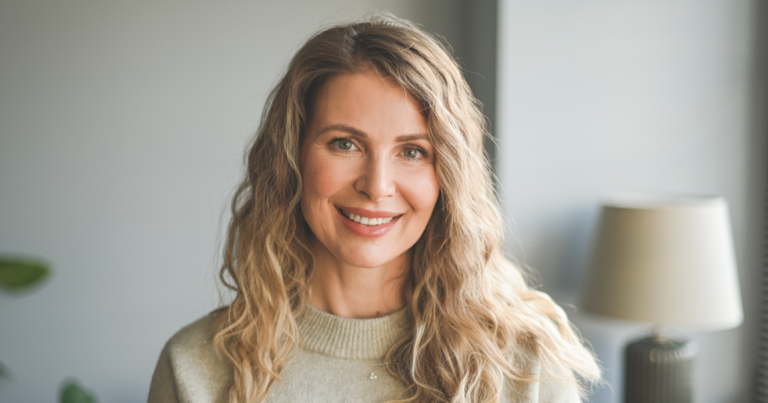
More specifically, it’s having someone in your life who is genuinely glad to see you.
Not someone who needs something from you. Not someone who relies on you to be useful or productive. But someone whose face lights up, even just a little, when you walk into the room.
That feeling—of being wanted, of being seen—turns out to be deeply protective for your brain.
And once you understand why, it changes how you think about your later years entirely.
Why your brain is wired for connection, not just cognition
We often think of the brain as a kind of computer—something that needs constant stimulation to stay “switched on.”
But neuroscience paints a very different picture.
Your brain is first and foremost a social organ.
From an evolutionary perspective, survival didn’t depend on how good you were at Sudoku. It depended on whether you belonged to a group. Being socially connected meant safety, shared resources, and protection.
And because of that, your brain developed systems that are exquisitely sensitive to connection—and just as sensitive to isolation.
When you feel socially connected, your brain releases a cascade of neurochemicals like oxytocin and dopamine. These support mood regulation, reduce stress, and even enhance learning and memory.
But when you feel isolated or unwanted, a very different system kicks in.
The brain begins to interpret that isolation as a threat.
The hidden danger of feeling invisible
There’s a particular kind of loneliness that doesn’t always get talked about.
It’s not just being alone.
It’s feeling invisible.
It’s the quiet realisation that no one is really waiting for you. That your presence doesn’t noticeably change anything for anyone else.
And this matters more than we might think.
Chronic loneliness has been shown to increase levels of cortisol—the body’s primary stress hormone. Over time, elevated cortisol can affect the hippocampus, the part of the brain involved in memory and learning.
There’s also growing evidence linking prolonged social isolation with an increased risk of cognitive decline and even conditions like Alzheimer’s disease.
In other words, loneliness isn’t just an emotional experience.
It’s a neurological one.
Why “being needed” isn’t the same as “being wanted”
Here’s where it gets interesting—and, for many people, a little uncomfortable.
A lot of us have spent decades being needed.
We were the reliable one. The responsible one. The person others turned to. Our sense of identity was often built around being useful, productive, and indispensable.
And during those years, we were surrounded by people—colleagues, clients, family members—who depended on us.
But being needed is not the same as being wanted.
Being needed often comes with pressure. Expectations. Roles to fulfill.
Being wanted is something else entirely.
It’s lighter. Freer. It’s someone choosing your company simply because they enjoy who you are.
And when we step into retirement or a quieter phase of life, this distinction becomes very clear.
Because suddenly, the “need” can disappear.
And if we haven’t built relationships based on genuine connection, we can find ourselves feeling surprisingly alone—even after a lifetime of being surrounded by people.
The neuroscience of feeling “glad to see you”
So what actually happens in your brain when someone is genuinely happy to see you?
It might seem like a small moment. A smile. A warm greeting. A simple “I’m so glad you’re here.”
But neurologically, it’s powerful.
That moment activates your brain’s reward system—particularly areas like the ventral striatum, which are associated with pleasure and motivation.
At the same time, oxytocin—the so-called “bonding hormone”—is released. This helps lower stress, reduce inflammation, and create a sense of safety and trust.
Your nervous system shifts out of a state of vigilance and into one of ease.
Over time, these repeated experiences of positive social connection help build what neuroscientists call “cognitive reserve”—the brain’s ability to adapt and stay resilient in the face of aging or damage.
Related Stories from Jeanette Brown
- The older some people get, the more they realize the job wasn’t just a job — it was the container that held their friendships, their routine, and their reason to get up
- The art of thriving in chaos: 5 essential skills for your second act
- The people thriving in their seventies aren’t the ones who crammed their calendars — they’re the ones who stopped running from stillness, and met the person they’d been too busy to know their entire life
In simple terms, feeling welcomed and valued doesn’t just make you feel good in the moment.
It helps protect your brain for the long term.
Why puzzles and brain games aren’t enough
This isn’t to say that puzzles, learning, and mental challenges don’t matter.
They do.
They stimulate the brain, encourage neuroplasticity, and can be enjoyable in their own right.
But on their own, they’re not enough.
Because they don’t address one of the brain’s deepest needs: the need to belong.
You can complete a crossword every day and still feel profoundly disconnected.
You can take up a new language and still feel unseen.
And your brain will register that disconnection as a form of stress.
True brain health isn’t just about stimulation.
It’s about integration—supporting the cognitive, emotional, and social systems that work together to keep you well.
What this means for your later years
If you’re approaching retirement—or already in it—this insight is both confronting and incredibly hopeful.
Because it shifts the focus away from trying to “keep busy” or “stay productive” at all costs.
And instead, it invites a different question:
Who in my life is genuinely glad to see me—and where can I create more of that?
This might mean:
- Reconnecting with old friends, not just for a catch-up, but for regular, meaningful time together
- Joining a group or community where you’re known and welcomed
- Creating small rituals—like a weekly coffee or walk—that give structure to connection
- Being the one who reaches out, rather than waiting to be invited
And perhaps most importantly, it means allowing yourself to be valued for who you are, not just what you do.
A small but powerful shift you can make today
There’s something beautifully simple about this idea.
You don’t need to overhaul your life.
You don’t need a complicated plan.
You just need to start noticing—and nurturing—the moments where connection feels real.
It might be a neighbour who always stops for a chat.
A friend who sends you a message just to check in.
A grandchild who lights up when you walk through the door.
Or even a new connection you haven’t made yet.
Because here’s the truth:
Your brain isn’t just shaped by what you think.
It’s shaped by how you feel in the presence of others.
And one of the most powerful feelings you can experience is this:
Someone is glad you’re here.
Designing a life where you are not just occupied—but connected
This is something I’ve thought about deeply, especially in my own transition out of a long and meaningful career.
There was a time when my days were full—meetings, decisions, responsibilities. I was needed.
And then, almost overnight, that structure disappeared.
What I’ve come to understand is that if we don’t intentionally design connection into our lives, it doesn’t just happen on its own.
And this is exactly why I created my course, Your Retirement, Your Way.
Because retirement isn’t just about what you’re leaving behind—it’s about what you’re building.
It’s about creating a life where you feel connected, purposeful, and genuinely seen.
If this is something you’ve been reflecting on, I’ve put together a free guide that walks you through how to start designing that next chapter with clarity and intention.
You can access it here: A Guide to Thriving in Your Retirement Years
Because protecting your brain isn’t just about staying sharp. It’s about staying connected—to others, and to a life that feels meaningful.
And sometimes, it starts with something as simple—and as powerful—as knowing that someone is truly glad to see you.
Related Stories from Jeanette Brown
- The older some people get, the more they realize the job wasn’t just a job — it was the container that held their friendships, their routine, and their reason to get up
- The art of thriving in chaos: 5 essential skills for your second act
- The people thriving in their seventies aren’t the ones who crammed their calendars — they’re the ones who stopped running from stillness, and met the person they’d been too busy to know their entire life
Feeling lost or unfulfilled?
Jeanette Brown’s “Your Life Review” video is designed to help you identify key areas in your life that need improvement.
Through a simple yet powerful exercise, you’ll assess your current satisfaction across different life domains, allowing you to pinpoint specific areas for growth.
This life review forms the foundation for creating a clear vision, setting aligned goals, and developing a personalized action plan.
Take the first step towards a more satisfying life. Start your Life Review now and gain immediate access to this transformative exercise.
Related Stories from Jeanette Brown
- The older some people get, the more they realize the job wasn’t just a job — it was the container that held their friendships, their routine, and their reason to get up
- The art of thriving in chaos: 5 essential skills for your second act
- The people thriving in their seventies aren’t the ones who crammed their calendars — they’re the ones who stopped running from stillness, and met the person they’d been too busy to know their entire life
Navigating Life’s Transitions with Jeanette Brown
Jeanette Brown is here to guide you through life’s transitions.
On her YouTube channel, she offers practical advice and supportive strategies to help you manage personal and career changes effectively.
Her videos focus on fostering resilience and equipping you with the skills needed for self-coaching.
Subscribe here to start mastering your life transitions today.