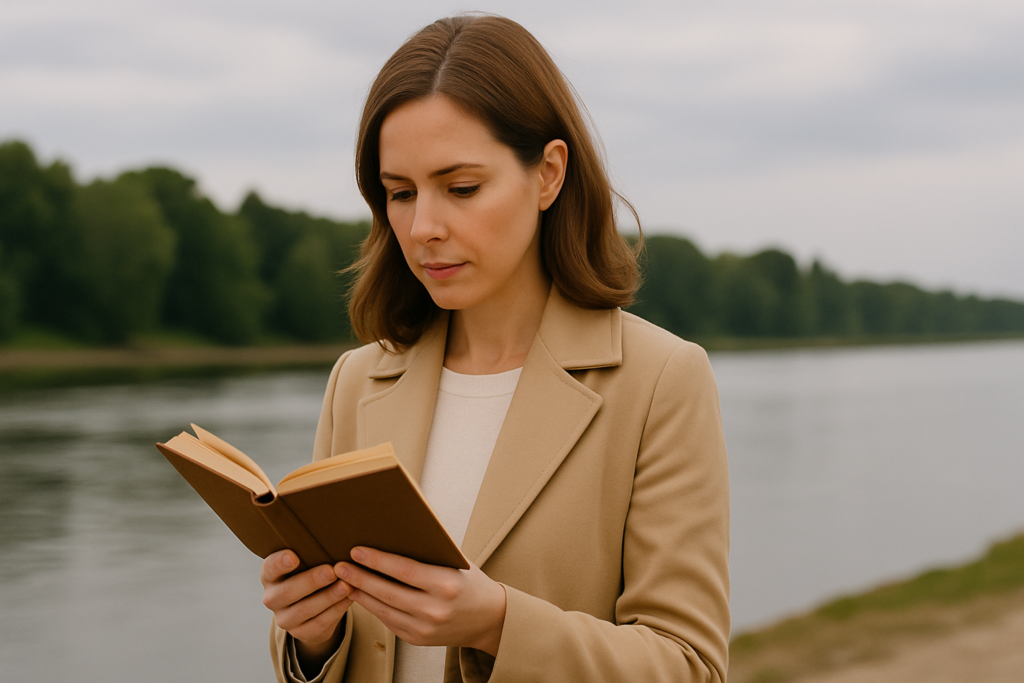
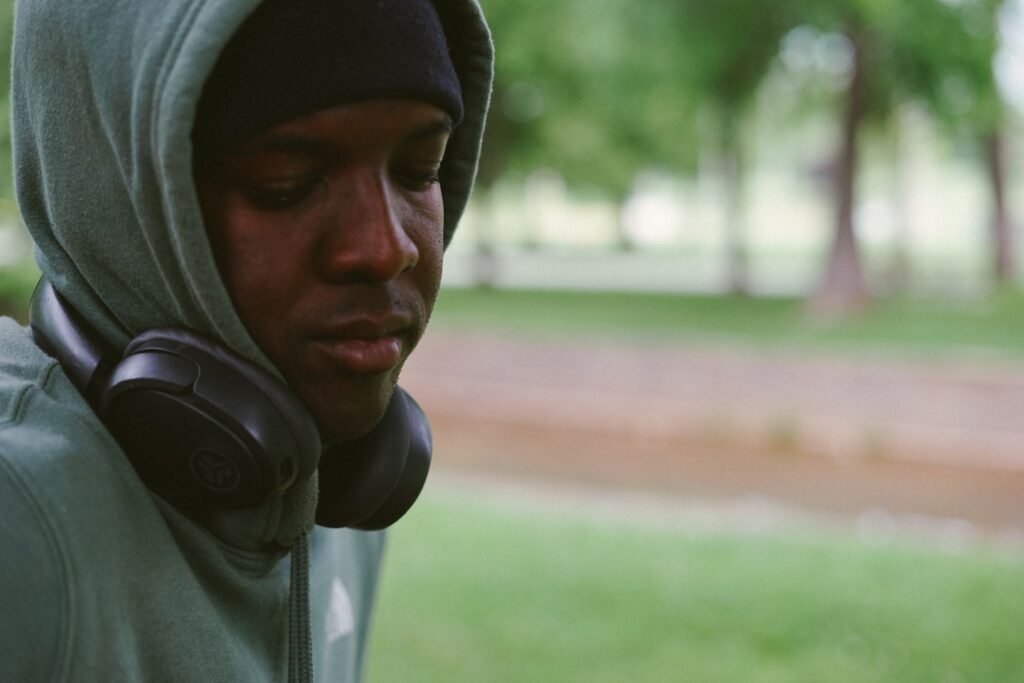
There’s something quietly powerful about people who are happy alone.
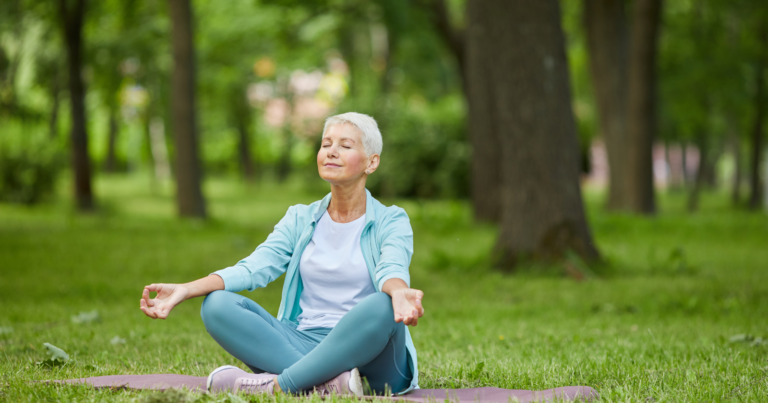
Not lonely. Not isolated. But deeply content in their own company—whether curled up with a book, walking through a park, or sipping coffee in a quiet cafe.
In a world that often equates happiness with relationships, social status, or busy schedules, people who thrive alone break the mold. They remind us that peace, strength, and fulfillment can be found within.
As someone who’s spent a lot of time exploring Buddhist philosophy and mindfulness, I’ve come to recognize that these individuals often share certain traits. These aren’t loud or flashy traits—but they run deep. They’re what allow a person to be at home with themselves.
Let’s explore 9 character traits of people who are genuinely happy alone—and why we might all benefit from cultivating them.
1. Emotional self-reliance
People who are truly content alone don’t depend on others to validate their emotions or soothe their insecurities.
That doesn’t mean they’re closed off or “don’t need anyone.” It just means they have a strong inner foundation. They know how to sit with their feelings without panicking. They’ve learned to comfort themselves, process their pain, and celebrate their joys—without needing constant external reassurance.
Mindfulness insight:
In Buddhist practice, we are taught to observe our feelings without clinging to them. This emotional self-reliance creates freedom. You stop outsourcing your peace.
2. Curiosity about life
Many people assume those who are often alone must be bored or unfulfilled. But the opposite is usually true.
People who love solitude tend to have an insatiable curiosity—about themselves, the world, and the human experience. They read. They explore new ideas. They observe things that others miss in the noise of constant social activity.
They know that life becomes richer when you give yourself the space to actually notice it.
What this looks like in practice:
They’ll happily lose a day diving into a new philosophy, building something with their hands, or watching how light moves across a room.
3. A strong sense of identity
To be happy alone, you need to know who you are when no one else is watching.
People who thrive in solitude don’t shift their identity depending on who they’re with. They’ve done the internal work. They’ve sat with the uncomfortable parts of themselves, accepted their quirks, and stopped performing for approval.
Their self-worth isn’t tied to trends, praise, or popularity.
The quiet superpower:
When you’re not constantly shape-shifting to be liked, your life becomes far more peaceful.
4. A deep appreciation for stillness
At some point in life, we all realize that constant stimulation doesn’t equal happiness. But people who enjoy their own company realize this earlier than most.
They find joy in the slow moments—morning light, the rhythm of their breath, the quiet drip of rain.
They don’t need every moment to be filled. They’ve cultivated an appreciation for the space between things.
This ties into Buddhist thinking too:
One of the most powerful teachings I’ve absorbed is this: Peace isn’t something you find outside. It’s something you return to within, once the distractions fall away.
5. Healthy boundaries
People who enjoy solitude aren’t antisocial—they just have clear boundaries.
They know how to say no without guilt. They protect their time and energy. And they don’t chase relationships that drain them.
Their solitude isn’t just about being alone—it’s about preserving the clarity and calm that allows them to show up better when they are with others.
Related Stories from Jeanette Brown
- The older some people get, the more they realize the job wasn’t just a job — it was the container that held their friendships, their routine, and their reason to get up
- The most alive people in their second act aren’t the busiest or the calmest — they’re the ones whose weeks clearly reflect what they actually believe matters now
- Quote from Richard Leider: ‘The purpose of life is to live a life of purpose’ — and retirement is where that principle either saves you or exposes the gap you’ve been avoiding
An overlooked truth:
Solitude helps you love better. Because you’re not coming from a place of neediness—you’re coming from wholeness.
6. Creative inner lives
People who are happy alone often have rich imaginations and inner worlds.
They write. They daydream. They problem-solve in silence. Creativity flows when the noise fades—and these people make room for it.
They don’t rely on social interaction to feel alive. They can access that spark within.
You might see this in someone who:
-
Keeps journals filled with sketches and notes
-
Gets lost in long walks with no destination
-
Has a dozen personal projects no one else knows about
They live in a world of ideas and possibilities.
7. Non-attachment to social status
People who are happy alone don’t measure themselves by external markers like popularity, followers, or social events.
They might enjoy connection and recognition—but they don’t chase it.
Why? Because they’ve realized those things don’t fill the deeper voids. Their joy comes from alignment, not applause.
This is where Buddhist principles come in again:
The idea of non-attachment teaches us that chasing what’s fleeting—status, approval, image—only creates suffering. Contentment comes from letting go.
8. Resilience in the face of discomfort
Being alone isn’t always easy. Sometimes it brings up old wounds, fears, or doubts.
But people who are truly happy alone don’t run from discomfort. They meet it.
They’ve learned that moments of loneliness are temporary. That sitting with discomfort actually makes them stronger. That avoiding it only prolongs it.
And over time, this makes them more grounded, less reactive, and more emotionally mature.
My own experience:
When I first started practicing mindfulness, I hated being alone with my thoughts. But over time, I realized that my discomfort wasn’t a sign something was wrong—it was an invitation to grow.
9. Gratitude for the small things
Finally, people who enjoy solitude are often quietly grateful.
They notice little joys: a well-brewed cup of tea, a moment of clarity, the feeling of finishing a book. They don’t wait for life’s “big moments” to feel good.
They understand that joy isn’t always loud. Sometimes, it’s subtle—like the feeling of alignment between your inner world and your outer life.
This might be the most powerful trait of all:
Gratitude shifts your focus from what’s missing to what’s here. It grounds you in the present. And it opens your heart to life, just as it is.
Final thoughts: being alone is a form of strength
If you’ve ever felt like something’s wrong with you because you enjoy being alone, let me reassure you: you’re not broken. You’re tuned in.
In a world that glorifies constant connection, choosing solitude is a radical act. It means you’ve stopped chasing and started listening. It means you’ve made peace with yourself—and that’s a rare and powerful thing.
So whether you’re alone for a moment, a season, or by choice, honor it. There’s wisdom in that space. And perhaps even more importantly, there’s freedom.
P.S. If this kind of insight speaks to you, you might enjoy my book Hidden Secrets of Buddhism: How to Live with Maximum Impact and Minimum Ego. It’s about the quiet power of awareness, detachment, and living on your own terms. Whether you’re on a spiritual journey or just want to live with a little more intention, I wrote it for people like you.
Related Stories from Jeanette Brown
- The older some people get, the more they realize the job wasn’t just a job — it was the container that held their friendships, their routine, and their reason to get up
- The most alive people in their second act aren’t the busiest or the calmest — they’re the ones whose weeks clearly reflect what they actually believe matters now
- Quote from Richard Leider: ‘The purpose of life is to live a life of purpose’ — and retirement is where that principle either saves you or exposes the gap you’ve been avoiding
Navigating Life’s Transitions with Jeanette Brown
Jeanette Brown is here to guide you through life’s transitions.
On her YouTube channel, she offers practical advice and supportive strategies to help you manage personal and career changes effectively.
Her videos focus on fostering resilience and equipping you with the skills needed for self-coaching.
Subscribe here to start mastering your life transitions today.
Related Stories from Jeanette Brown
- The older some people get, the more they realize the job wasn’t just a job — it was the container that held their friendships, their routine, and their reason to get up
- The most alive people in their second act aren’t the busiest or the calmest — they’re the ones whose weeks clearly reflect what they actually believe matters now
- Quote from Richard Leider: ‘The purpose of life is to live a life of purpose’ — and retirement is where that principle either saves you or exposes the gap you’ve been avoiding
Feeling lost or unfulfilled?
Jeanette Brown’s “Your Life Review” video is designed to help you identify key areas in your life that need improvement.
Through a simple yet powerful exercise, you’ll assess your current satisfaction across different life domains, allowing you to pinpoint specific areas for growth.
This life review forms the foundation for creating a clear vision, setting aligned goals, and developing a personalized action plan.
Take the first step towards a more satisfying life. Start your Life Review now and gain immediate access to this transformative exercise.