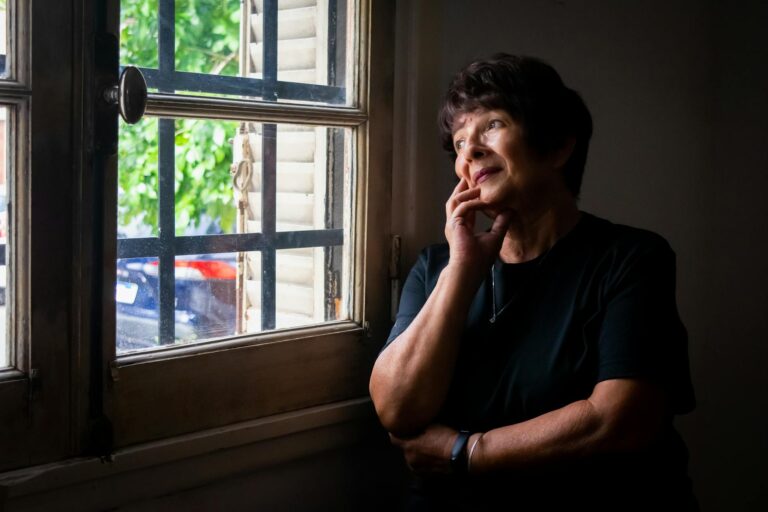
I’ve always been a big believer in the immense benefits of self-reflection and journaling. I have journaled for many years now and it has helped me through the many challenges and curveballs life brings us.
But it wasn’t until I embarked on a unique personal experiment that I truly realized the full potential of self-reflection.
The challenge? Writing a heartfelt and honest letter to my 16-year-old self.
On the surface, it seems like a simple task. But it’s far more than just jotting down words on paper. It’s about revisiting your past with kindness, understanding, and a lot of empathy. It’s about recognizing the fears, dreams, and uncertainties you had at that age and reconciling them with who you’ve becomethrough your life experiences.
In this exercise, I had to dig deep into my memory bank, revisit my teenage years, and then take that raw emotion to write a letter that was both nurturing and honest.
But why would I do this? What could I possibly gain from writing a letter to a version of myself that no longer exists? Well, the results were mind-blowing. By acknowledging my past self and the experiences that have shaped me, I gained newfound clarity about my present self, how my values have been a large part of my life and how much I am grateful for the relationships in my life. It also helped me better understand certain limiting patterns in my life and even helped me shift my perspective on some deeply ingrained beliefs.
I’m excited to share with you how this seemingly simple task of writing a letter to my younger self transformed my mindset and outlook on life. But remember, my experience is just that – mine. The beauty of self-reflection is that it’s deeply personal, so your journey might look completely different. And that’s perfectly okay.
Writing a letter to my younger self
Embarking on this journey wasn’t as straightforward as I initially thought. There was a lot of emotional introspection involved before I could write down that first word. But here’s how I went about it:
• Embracing the past: I started by taking an emotional journey back to when I was 16. This wasn’t just about recalling events, but also about understanding the feelings, dreams, and fears I had at that time.
• Getting honest: I didn’t sugarcoat anything. This was a letter from me to me. There was no room for pretense or half-truths. It was about being brutally honest with myself.
• Writing with empathy: It was important to be kind and understanding towards my younger self. Instead of judging or criticizing, I wrote with compassion and offered words of encouragement.
The process was emotionally draining at times, but also incredibly cathartic. By connecting with my younger self, I gained a fresh perspective on my past experiences and how they’ve shaped me.
Now that you understand how I approached this task, you’re probably wondering about the outcome.
This simple act of self-reflection significantly contributed to shifting my mindset and my outlook on life. Interestingly, it also made clearer for me what it is I wanted in the future.
The transformation that followed
The experience of writing a letter to my 16-year-old self was a deep dive into my past that brought forth clarity, understanding, and even closure on some aspects of my life.
As I wrote, I felt a wave of empathy for my younger self. It was like meeting an old friend and understanding their struggles from a fresh perspective. This exercise made me realize how far I’ve come, how much I’ve grown, and how those early experiences shaped the person I am today.
Moreover, it brought to light certain patterns in my life that I’d been oblivious to. The fears and insecurities of my 16-year-old self were still subtly influencing my decisions and actions today. Recognizing this helped me break free from these patterns and develop new, healthier ones.
But the most profound change was in my mindset. I became more forgiving towards myself, more understanding of my flaws, and more accepting of my journey. This exercise made me realize that every experience, whether good or bad, contributes to our growth.
Why write a letter to your younger self?
Writing a letter to your younger self allows you to clarify what really matters to you in life and some of the life lessons it took you years to learn.
It allows you to reflect deeply on the timeline of your life up to now and articulate the lessons you have learnt from life and the wisdom you have gained.
You can think about the choices you made around relationships, careers, or moving to new places, as well as challenges and barriers you overcame.
Related Stories from Jeanette Brown
- This remarkable centenarian is still contributing at 100 — and when I read his story, I realised he embodies all four ingredients of a truly fulfilling life
- I didn’t suddenly find myself alone in my 60s—the connections that had held my life together simply began to disappear
- Dolly Parton never let age decide what came next—her extraordinary second act shows us how purpose, connection, energy and vision can keep life moving forward
Hindsight provides a valuable perspective. Looking back, I understand that all the hard times I went through made me stronger and helped me grow into the person I am today.
Moreover, the transformation was real and significant. It wasn’t just an abstract concept but a change I could feel in my mindset and outlook. The understanding it brought about my past experiences, the patterns it revealed, and the empathy it evoked for my younger self — all led to a profound shift in my perspective.
This experience taught me not to dismiss something just because it falls outside the realm of my understanding or beliefs. It made me see the value in challenging my preconceived notions and stepping out of my comfort zone.
So where do we go from here? What’s the core takeaway from this journey? Let’s delve into what I’ve learned through this transformative process and how it has shaped my approach towards self-reflection.
Embracing self-reflection for personal growth
Now, you may be wondering how this transformative experience can help you in your own journey. After all, we each have our unique stories, triumphs, and challenges. Yet, the essence of self-reflection remains the same.
Writing a letter to your past self is more than just an exercise in nostalgia. It’s an opportunity to connect with your younger self, to recognize the fears and dreams that shaped you, and to understand the patterns that might still be influencing your present.
As you write down your experiences, emotions, and insights, you’ll begin to see yourself from a fresh perspective. There’ll be moments of surprise, realization, and even catharsis.
But most importantly, this practice helps foster a kinder, more empathetic relationship with yourself. It’s a chance to forgive your past mistakes, celebrate your journey, and appreciate the person you’ve become.
So I encourage you to try this exercise. It may seem daunting at first. You may even feel resistance. But it’s worth pushing through because on the other side of that resistance lies clarity, understanding, and transformation.
In fact, I am a major supporter of forms of self-reflection and journaling. I have been doing this practice for many years. It has helped me enormously through tough times and also has helped me clarify what matters to me and how I want to lead my life.
If you are interested in learning the art of journaling, have a look at my new online self-coaching course, Reset Your Life Compass.
This course is designed to be your guide through the complexities of life, teaching you the art of journaling and helping you navigate towards a happier, more fulfilling existence.
You’ll learn strategies to connect with your inner self, understand your true desires, set and achieve meaningful goals, and monitor your progress with plenty of tips and techniques along the way.
As part of the course, you’ll receive a Journal Workbook as a free bonus. This editable PDF journal is designed to be your personal space for reflection, equipped with activities and specific questions to guide your thoughts and track your journey.
Stepping back and looking forward
Reflecting on this journey of self-discovery, it’s clear that such introspective exercises are so beneficial. They allow you to reconnect with your past, understand your present, and shape your future in a more conscious, deliberate way.
In essence, what I’ve gleaned from my many years of journaling aligns perfectly with the principles I hold dear:
• Embracing mindfulness: Writing a letter to my younger self and the many other jornaling actvities has made me more present and mindful in all aspects of my life.
• Prioritizing self-improvement: This journey of self-reflection is all about personal growth and understanding. It is about recognizing patterns and changing them for the better.
• Valuing mental wellbeing: Jornaling is a cathartic experience that emphasizes the importance of mental health.
• Developing a growth mindset: The process reinforces an optimistic mindset, reminding me of the growth and progress I’ve made over the years.
So give writing a letter to your younger self a go. Not with regret or nostalgia, but with understanding, empathy, and appreciation for the journey you’ve undertaken and where you are now.
Related Stories from Jeanette Brown
- This remarkable centenarian is still contributing at 100 — and when I read his story, I realised he embodies all four ingredients of a truly fulfilling life
- I didn’t suddenly find myself alone in my 60s—the connections that had held my life together simply began to disappear
- Dolly Parton never let age decide what came next—her extraordinary second act shows us how purpose, connection, energy and vision can keep life moving forward
Navigating Life’s Transitions with Jeanette Brown
Jeanette Brown is here to guide you through life’s transitions.
On her YouTube channel, she offers practical advice and supportive strategies to help you manage personal and career changes effectively.
Her videos focus on fostering resilience and equipping you with the skills needed for self-coaching.
Subscribe here to start mastering your life transitions today.
Related Stories from Jeanette Brown
- This remarkable centenarian is still contributing at 100 — and when I read his story, I realised he embodies all four ingredients of a truly fulfilling life
- I didn’t suddenly find myself alone in my 60s—the connections that had held my life together simply began to disappear
- Dolly Parton never let age decide what came next—her extraordinary second act shows us how purpose, connection, energy and vision can keep life moving forward
Navigating Life’s Transitions with Jeanette Brown
Jeanette Brown is here to guide you through life’s transitions.
On her YouTube channel, she offers practical advice and supportive strategies to help you manage personal and career changes effectively.
Her videos focus on fostering resilience and equipping you with the skills needed for self-coaching.
Subscribe here to start mastering your life transitions today.