Pain is part of being human. Most people will experience a bad back, sore joints, a headache that will not shift or the lingering ache of an old injury at some point. For many, especially later in life, pain becomes a regular companion rather than an occasional visitor.
It is tempting to see pain as something to be eliminated at all costs. Sometimes that is possible. Often it is not. But research increasingly suggests that while pain itself may not always be avoidable, the way people respond to it can make a real difference to how much it takes over their lives.
How common is persistent pain?
According to the Australian Institute of Health and Welfare, almost one in five Australians aged 45 and over, around 1.6 million people, reported living with chronic pain in 2016. Chronic pain is generally defined as pain that lasts beyond normal healing time, usually three to six months, and is felt on most days.
The proportion rises with age, reaching almost one in four people aged 85 and over. Women were more likely than men to report chronic pain, at 21 per cent compared with 17 per cent.
The effects reach well beyond the pain itself. People aged 45 and over with chronic pain were five times as likely as those without it to be “limited a lot” in daily activities. Chronic pain is also linked with higher rates of depression, anxiety, poor sleep and fatigue. The AIHW estimated that chronic pain cost Australia around $139 billion in 2018, mostly through reduced quality of life and lost productivity.
Pain is more than a signal from the body
Short-term, or acute, pain usually reflects tissue damage, such as a cut, sprain or broken bone, and fades as the body heals. Chronic pain is more complicated. It can continue long after an injury has healed, and in some cases there is no clear physical cause at all.
Pain researchers now understand that the brain and nervous system play a central role in how pain is experienced. Past injuries, stress, fear, sleep, mood and beliefs about what pain means can all influence how intense it feels. This does not mean the pain is imaginary. It means that pain is shaped by both body and mind, which opens up more ways to manage it.
Keep moving
For many years, people in pain were told to rest. Today, the general advice is to stay active.
A 2017 overview by the Cochrane collaboration, led by Louise Geneen, brought together 21 Cochrane reviews covering 381 studies and more than 37,000 participants with chronic pain conditions such as osteoarthritis, rheumatoid arthritis, fibromyalgia and low back pain. The programs tested included walking, strength training, water exercise, yoga, Pilates and tai chi.
The review found some improvements in pain and physical function, generally small to moderate, but results varied across conditions, exercise programs and follow-up periods. The evidence quality was low, largely because studies were small. Benefits therefore remain uncertain for particular people and conditions.
For older adults, the message is encouraging. Gentle, regular movement suited to a person’s condition, ideally guided at first by a physiotherapist or exercise physiologist, may ease pain and help people keep doing the things they value.
Related Stories from Jeanette Brown
- Failure can be a stepping stone, but research suggests it works that way mainly for those who keep going and learn from each attempt
- A sense of control matters in later life, and research suggests it helps to recognise what we can influence and when to adjust our goals
- When self-worth depends on work, retirement can be harder emotionally, a Swedish study suggests
Acceptance rather than battle
One of the more surprising developments in pain research is the growing evidence for acceptance-based approaches. Acceptance and commitment therapy, often called ACT, does not try to make pain disappear. Instead, it helps people stop fighting their pain at every turn and focus on living according to what matters to them, even when pain is present.
A 2011 review in the journal Pain, led by Martine Veehof in the Netherlands, combined 22 studies involving more than 1,200 people with chronic pain. Acceptance-based approaches had small to moderate benefits for both pain and depression. A 2024 overview of reviews in the Journal of Pain concluded that ACT can reduce depression, anxiety and catastrophic thinking about pain, and can improve how people function day to day, although the authors noted some methodological weaknesses in the studies.
ACT helps people notice how fear, avoidance and distress may limit activities they value, and explore manageable ways to participate in life while receiving appropriate pain care. The studies do not establish that these responses cause as much harm as pain itself, or that a person can choose their way out of persistent pain.
Retraining the brain
A newer approach called pain reprocessing therapy has attracted attention after a notable trial in the United States. Published in JAMA Psychiatry in 2022, the study led by Yoni Ashar and Tor Wager enrolled 151 adults with mild to moderate chronic back pain for which no clear physical cause could be found.
Participants received four weeks of pain reprocessing therapy, a placebo injection or their usual care. The therapy aimed to help people understand their pain as something the brain had learned, and to reduce the fear around it. After treatment, 66 per cent of those who received the therapy reported being pain-free or nearly pain-free, compared with 20 per cent of the placebo group and 10 per cent of the usual-care group. Most of the gains lasted a year.
The trial involved people with primary chronic back pain, assessed as not having an identified peripheral cause. Their average age was about 41 and pain severity was low to moderate. Some had spinal abnormalities on existing scans that a physician judged unrelated to their pain. The results cannot be assumed to apply to every cause of back pain, to pain elsewhere in the body or to older adults generally.
Practical steps
- Get a proper assessment. New, severe or changing pain should always be checked by a GP, as it can signal a condition that needs treatment.
- Stay as active as possible. Ask a GP or physiotherapist about safe forms of movement, and build up gradually.
- Learn about pain. Understanding how the nervous system influences pain can reduce fear and help people feel more in control.
- Focus on what matters. Rather than waiting for pain to vanish before living fully, consider what activities and relationships can still be enjoyed, perhaps with some adjustments.
- Look after sleep and mood. Poor sleep, stress and low mood can all make pain feel worse, and treating them may help.
- Ask about pain programs. Many hospitals and health services in Australia offer pain management programs that combine exercise, education and psychological approaches.
- Review medicines. Pain medicines can help, but some carry risks, especially with long-term use. A regular review with a GP or pharmacist is worthwhile.
What the research cannot say
Pain is highly individual, and no single approach works for everyone. Much of the research on exercise is based on small studies, the evidence for psychological therapies varies in quality, and pain reprocessing therapy has been tested mainly in younger adults with back pain. These approaches are not a substitute for medical diagnosis and treatment.
Living well alongside pain
For many people, especially in later life, pain may never disappear completely. But research suggests it does not have to dominate every day. Staying active, understanding how pain works and learning to make room for it while still pursuing what matters may help people reclaim much of the life that pain threatens to take away.
Research sources
- AIHW, Chronic pain in Australia (2020)
- Geneen and colleagues, exercise review (2017)
- Veehof and colleagues, acceptance-based interventions (2011)
- Martinez-Calderon and colleagues, ACT overview (2024)
- Ashar and colleagues, pain reprocessing trial (2022)
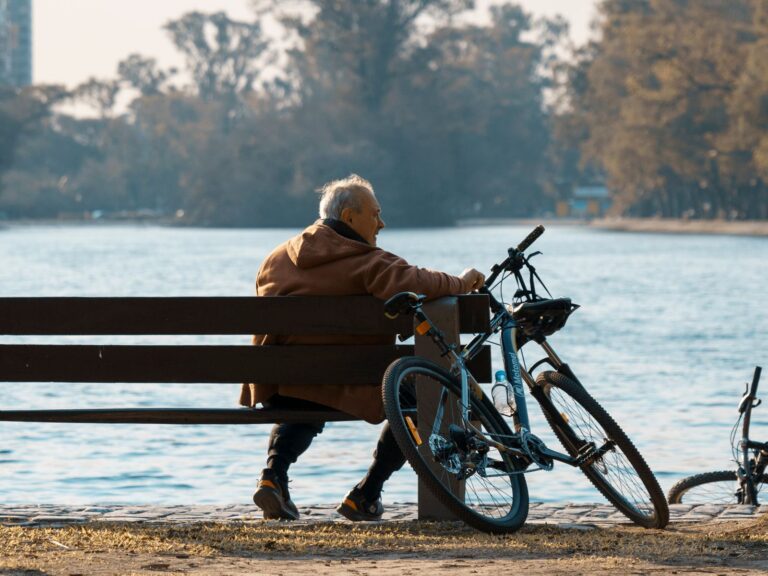
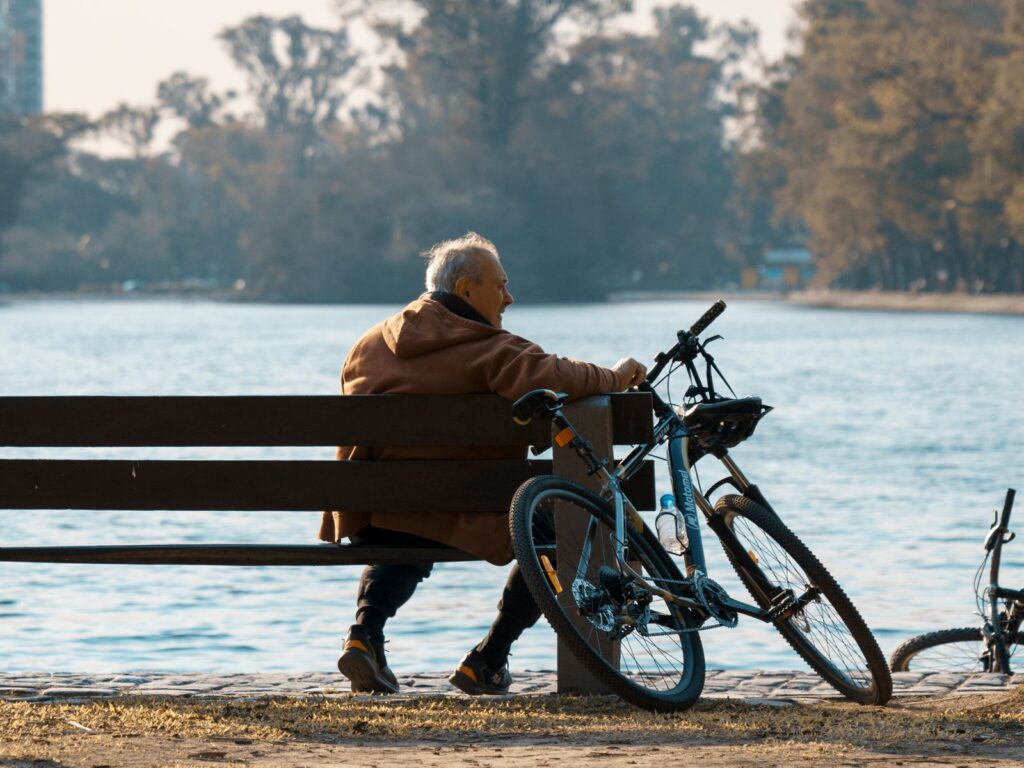
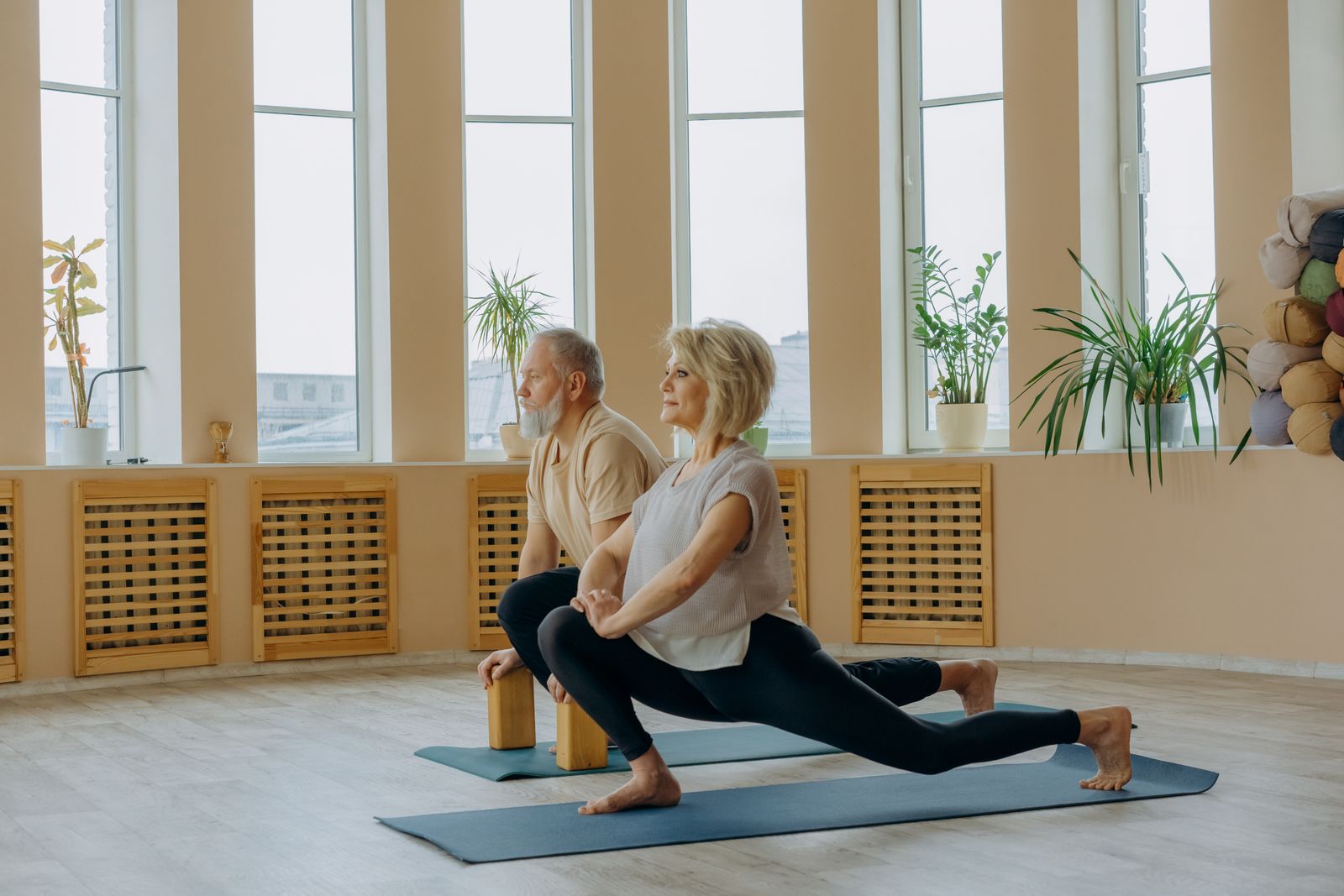
Photo: Mikhail Nilov / Pexels (representative image)
Related Stories from Jeanette Brown
- Failure can be a stepping stone, but research suggests it works that way mainly for those who keep going and learn from each attempt
- A sense of control matters in later life, and research suggests it helps to recognise what we can influence and when to adjust our goals
- When self-worth depends on work, retirement can be harder emotionally, a Swedish study suggests
Feeling lost or unfulfilled?
Jeanette Brown’s “Your Life Review” video is designed to help you identify key areas in your life that need improvement.
Through a simple yet powerful exercise, you’ll assess your current satisfaction across different life domains, allowing you to pinpoint specific areas for growth.
This life review forms the foundation for creating a clear vision, setting aligned goals, and developing a personalized action plan.
Take the first step towards a more satisfying life. Start your Life Review now and gain immediate access to this transformative exercise.
Related Stories from Jeanette Brown
- Failure can be a stepping stone, but research suggests it works that way mainly for those who keep going and learn from each attempt
- A sense of control matters in later life, and research suggests it helps to recognise what we can influence and when to adjust our goals
- When self-worth depends on work, retirement can be harder emotionally, a Swedish study suggests
Navigating Life’s Transitions with Jeanette Brown
Jeanette Brown is here to guide you through life’s transitions.
On her YouTube channel, she offers practical advice and supportive strategies to help you manage personal and career changes effectively.
Her videos focus on fostering resilience and equipping you with the skills needed for self-coaching.
Subscribe here to start mastering your life transitions today.