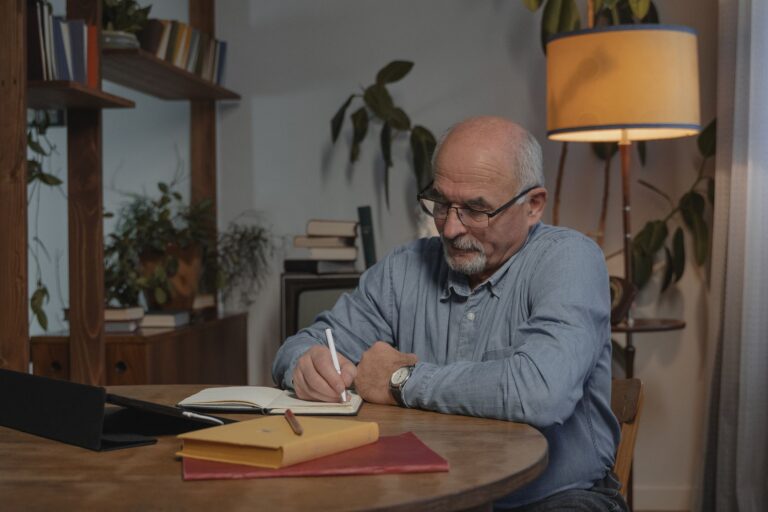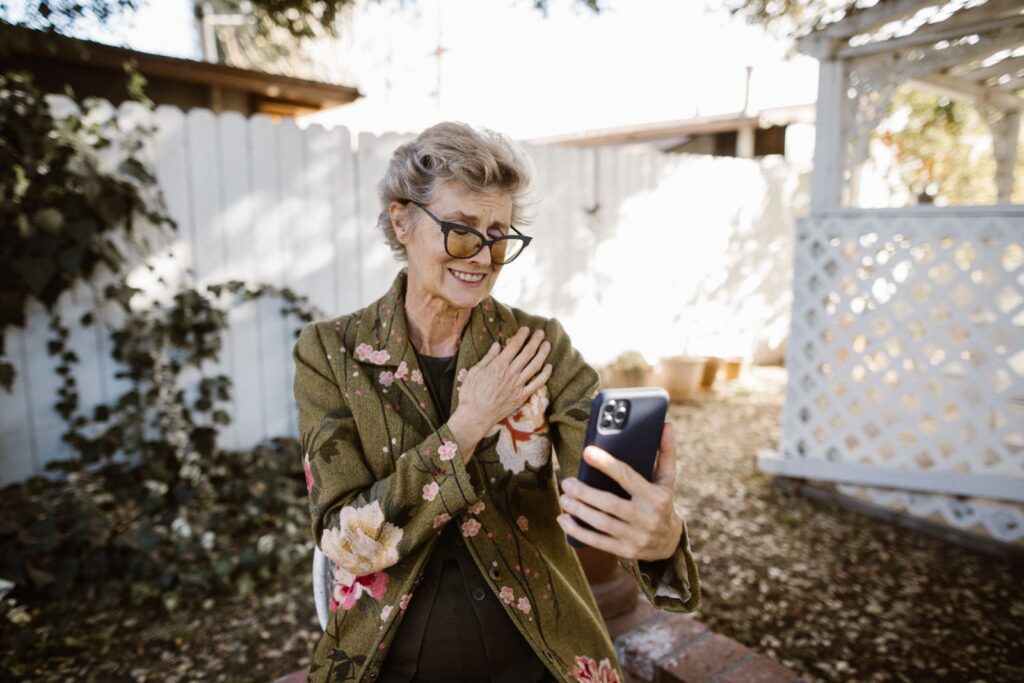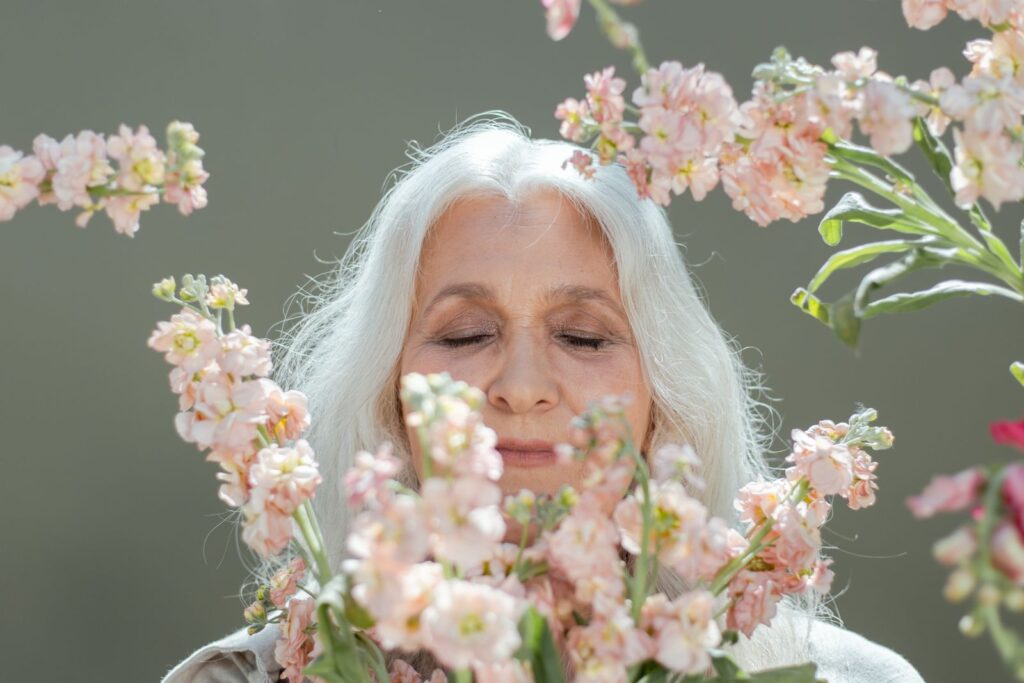
For some people, a quiet hour alone is a treat to be protected: a cup of tea in the garden, a walk on the beach, a book by the window with nobody needing anything. For others, an empty house is something to fill as quickly as possible, with the radio, the television or a phone call. Both reactions are understandable. Solitude can be restorative, but it can also slide into something that feels a lot like loneliness.
Psychologists have spent the past decade looking more closely at what happens when we are alone, and their findings suggest that solitude is less a state than a skill. The same hour alone can leave one person calm and refreshed and another restless and low. The difference often comes down to how and why we spend it.
Many of us find it harder than we expect
One of the most talked-about studies on this subject was published in the journal Science in 2014. Psychologist Timothy Wilson of the University of Virginia and colleagues ran 11 studies in which people were asked to sit alone in a plain room for between six and 15 minutes, with no phone, book or writing materials, and simply entertain themselves with their thoughts.
Most participants did not enjoy it. Many found it hard to concentrate, and when some were sent home to try the same exercise, a sizeable share admitted they had quietly done something else instead. In one experiment, participants were given the option of pressing a button to give themselves a mild electric shock, one they had earlier said they would pay to avoid. Twelve of the 18 men and six of the 24 women pressed it at least once during their 15 minutes alone.
Wilson said one of the surprises was that older participants showed no special fondness for sitting alone with their thoughts either. Later commentators have pointed out that most participants never chose the shock, and that the exercise was unusually stark. But the study captured something many people recognise: being alone with nothing to do can feel uncomfortable at first.
Solitude turns the volume down
Research from the University of Rochester in the United States helps explain why solitude can feel both soothing and flat. In a series of four studies published in 2018 in Personality and Social Psychology Bulletin, Thuy-vy Nguyen, Richard Ryan and Edward Deci asked people to spend 15 minutes sitting alone without devices, and compared their moods before and after.
They found what they called a deactivation effect. Time alone reduced strong, high-energy feelings of both kinds, so people felt less anxious and angry, but also less excited. At the same time, low-energy feelings increased. Participants were calmer and more relaxed, but some also felt a little more bored or lonely.
In other words, solitude seems to work like a volume knob for our emotions. After a stressful morning, a busy family gathering or a difficult conversation, it can bring us back down to a quieter, steadier state. That may be exactly what we need, but it can also feel dull if we are not expecting it.
The same calming effect appeared when people were alone with a quiet activity, such as reading, rather than sitting with nothing at all. So solitude does not have to mean staring at a wall. A gentle, absorbing activity done alone seems to bring many of the same benefits.
Having a choice appears to matter
One finding from the Rochester studies concerned choice. When people actively chose to spend time alone, or were free to direct their own thoughts, solitude led to relaxation and lower stress without the same dip into loneliness or low mood. Those who thought about positive things while alone also kept more of their good feelings.
A 2023 diary study explored solitude and wellbeing in everyday life. Netta Weinstein of the University of Reading, with Nguyen and colleagues, asked 178 adults aged 35 and over in the UK and United States to record how they spent their time for up to 21 days.
On days when people spent more hours alone, they reported feeling less stressed and freer to do things their own way and be themselves. But those same days were also linked with feeling lonelier and a little less satisfied with life. Crucially, these downsides were much smaller when the time alone was chosen rather than imposed.
Related Stories from Jeanette Brown
- Writing your own obituary sounds morbid, but research suggests facing the end can sharpen what matters most in the years you have left
- Social media can bring connection and frustration in later life, and research suggests paying attention to both how we use it and how much
- If you’d rather think a problem through than be handed the answer, research suggests that habit of mind may be doing you more good than you realise
The researchers found no single ideal amount of solitude that suited everyone. People who spent more time alone across the study as a whole were less stressed and were not lonelier overall. These diary findings show associations. They cannot establish that choosing solitude causes better wellbeing.
Solitude and loneliness are not the same thing
This distinction matters, especially in later life. Loneliness is the painful feeling of not having the connection we want. Solitude is simply being on our own, and it can be peaceful, creative and restorative. A person can feel lonely in a crowded room, and perfectly content alone in their own kitchen.
Retirement, children leaving home, the loss of a partner or a move to a new area can all change how much time we spend alone, often without our choosing. In those circumstances, time alone may not feel like a gift. The research suggests that the sense of choice is part of what makes solitude healthy, so it is worth paying attention to whether our alone time feels like something we want or something that has happened to us.
Practising the art of solitude
If solitude is a skill, it can be practised. Drawing on the research, here are some ways to make time alone more nourishing.
Choose it on purpose. Rather than ending up alone by default, set aside time you have decided to spend by yourself, such as a morning walk, a quiet half-hour after lunch or an evening with a good book. Framing it as your choice appears to change how it feels.
Try putting the phone aside. A short break from messages and news may help you settle into time alone. Notice whether it changes how that time feels.
Try a gentle activity. Gardening, knitting, walking, painting or a puzzle may make time alone easier to enjoy. Treat these as possibilities to explore and see what suits you.
Steer your thoughts kindly. Time alone can bring worries to the surface. The Rochester studies found that thinking about pleasant or meaningful things helped people keep their good mood. Reflecting on happy memories, plans you are looking forward to or things you are grateful for can help.
Allow time to settle. You may feel a little bored or subdued when you slow down. Notice whether the time alone becomes restful or leaves you feeling worse.
Keep the balance. Solitude works best alongside connection, not instead of it. If time alone starts to feel heavy or lonely more often than restful, that is a signal to reach out, whether through a phone call, a local group, a volunteering role or a chat with your GP.
A quiet kind of freedom
A quiet walk, a book or a little time in the garden can be a welcome part of the day. Notice how time alone feels for you, make room for the company you enjoy and adjust the balance as your circumstances change.
Related Stories from Jeanette Brown
- Writing your own obituary sounds morbid, but research suggests facing the end can sharpen what matters most in the years you have left
- Social media can bring connection and frustration in later life, and research suggests paying attention to both how we use it and how much
- If you’d rather think a problem through than be handed the answer, research suggests that habit of mind may be doing you more good than you realise
Feeling lost or unfulfilled?
Jeanette Brown’s “Your Life Review” video is designed to help you identify key areas in your life that need improvement.
Through a simple yet powerful exercise, you’ll assess your current satisfaction across different life domains, allowing you to pinpoint specific areas for growth.
This life review forms the foundation for creating a clear vision, setting aligned goals, and developing a personalized action plan.
Take the first step towards a more satisfying life. Start your Life Review now and gain immediate access to this transformative exercise.