I think we’ve all had ideas that get put off until retirement: hobbies, travel, bushwalking.
Sometimes that works out. Retirement arrives, the time is there, and the plans get made. But “later” has a way of stretching, and some of what gets postponed turns out to matter more than it seemed when work and family filled every week. Research on regret, on hobbies and on time spent outdoors gives some reasons not to leave it too long.
Why we keep choosing the sensible option
In a series of studies published in the Journal of Consumer Research in 2006, Ran Kivetz and Anat Keinan of Columbia University looked at how people feel about choosing work over pleasure, and how that changes with time. They called the habit of always putting duty first “hyperopia,” a kind of excessive farsightedness.
The pattern was consistent. Looking back on a recent choice, people tended to feel guiltier about the times they had indulged. Looking back on choices made years earlier, the balance reversed. In one study of 63 travellers and park visitors, people who had chosen work over pleasure felt more regret about it when the choice was at least five years in the past than when it was last week. In another, alumni reflecting on their university holidays 40 years later were the group most likely to wish they had been less disciplined. As a release about the study summed it up: “In the short run, vice is regretted more than virtue, but in the long run virtue is regretted more.”
The samples were small and mostly American students and commuters, so the studies describe a tendency rather than a rule. But it is a tendency many people will recognise.
The things we didn’t do tend to linger
A related line of research goes back to the psychologists Thomas Gilovich and Victoria Medvec in the 1990s. They reported that in the short term people tend to regret things they did, while over a lifetime the regrets that stay are more often about things they didn’t do.
That finding has been tested again since, with mixed results. A large 2023 replication with visitors to a Chicago museum of psychological science found the same shift over time, though the exact pattern differed from the original study and lifetime regrets were not dominated by inaction to the same degree. The safest reading is that unacted-on plans become relatively more prominent as people look further back, not that inaction is always the bigger regret.
Hobbies
A hobby is often the first thing to go when life gets busy, and the easiest to promise ourselves for later. The evidence suggests it is worth more than a pastime. In a 2023 study in Nature Medicine, Karen Mak and colleagues at University College London analysed data from 93,263 people aged 65 and over in 16 countries, including England, the United States, Japan and China, followed for four to eight years. Having a hobby was linked to fewer symptoms of depression and higher happiness, self-rated health and life satisfaction, and the link with life satisfaction was the strongest.
Because the study was observational, it can’t rule out that happier, healthier people simply take up more hobbies. The researchers took account of factors such as income, work and relationship status, and the associations held.
Related Stories from Jeanette Brown
- Retirement can give us the time to travel more slowly—what a longer stay may offer beyond a packed itinerary
- People who thrive after retirement don’t simply keep busy — they build a life that still challenges them, connects them and gives them a reason to turn up
- People who thrive in their retirement years often adopt these 8 daily habits
Bushwalking and time outdoors
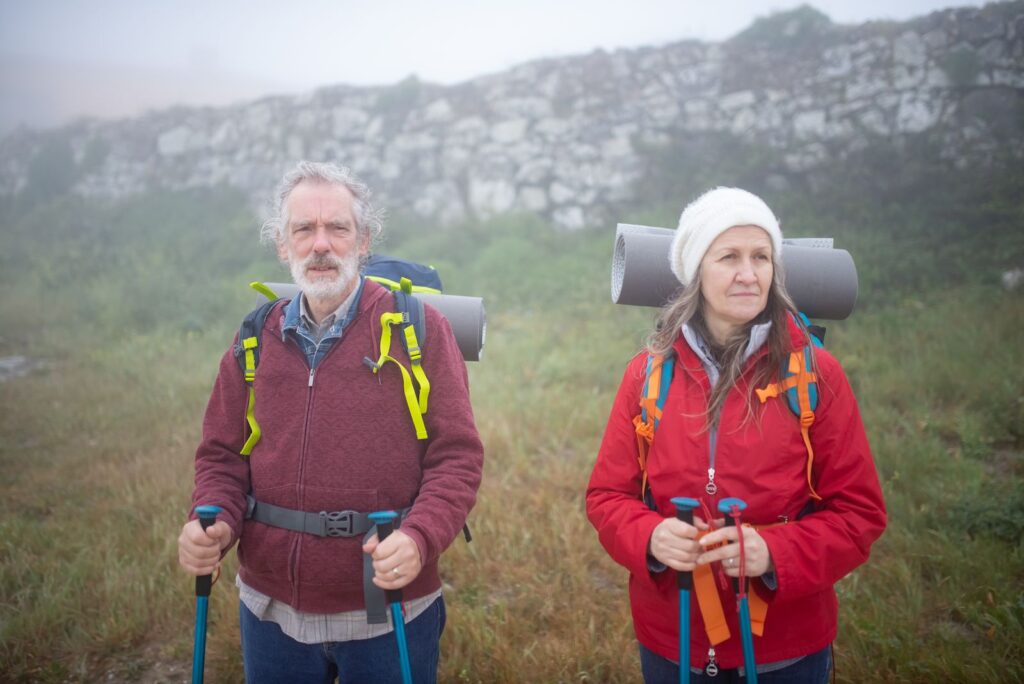
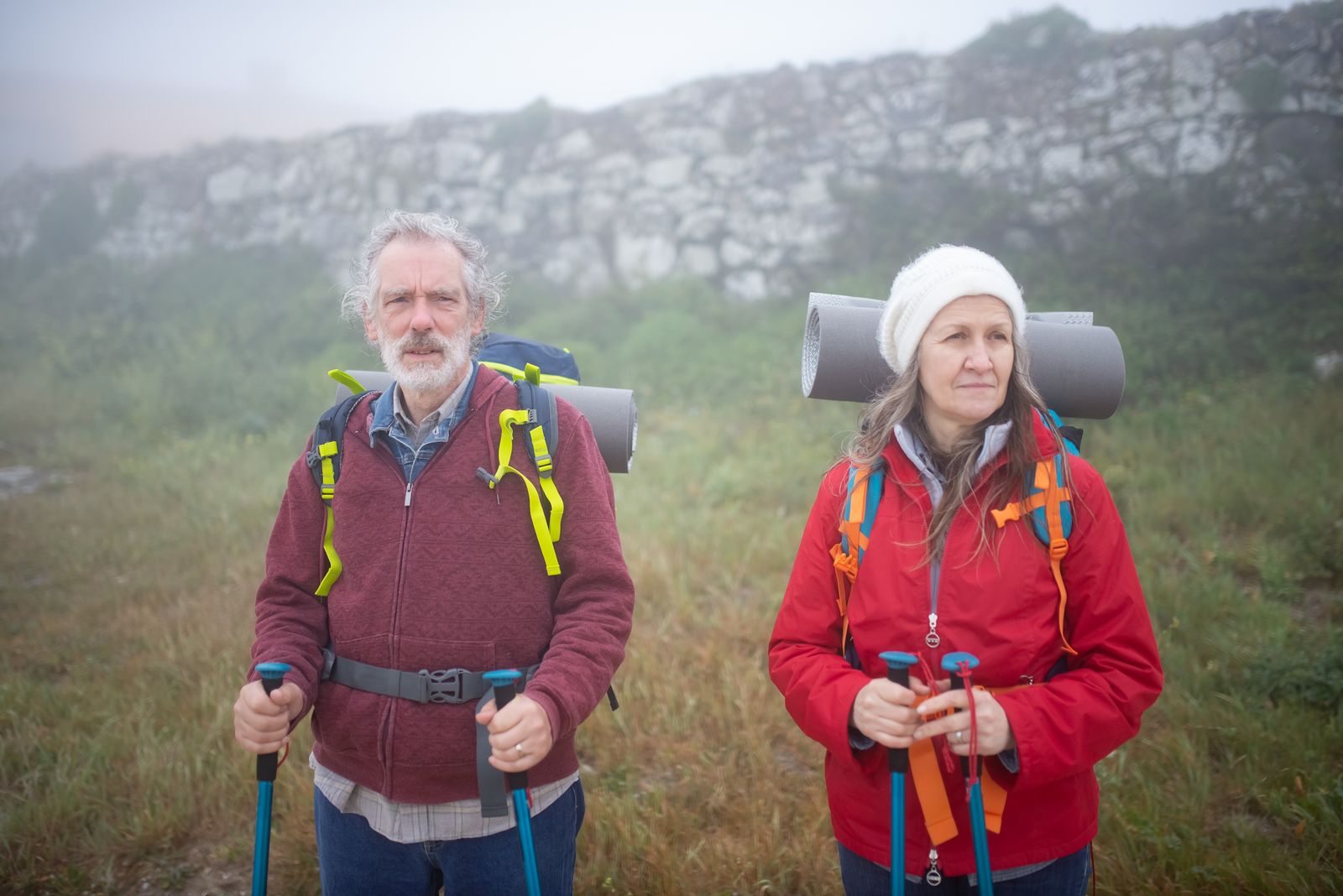
The long walk, the national park, the trail you keep meaning to try. In a 2019 study in Scientific Reports, Mathew White and colleagues at the University of Exeter’s European Centre for Environment and Human Health surveyed 19,806 adults in England about how much time they had spent in natural settings in the previous week. People who reported at least 120 minutes were more likely to report good health and high wellbeing. Below that, there was no clear benefit. Above about 200 to 300 minutes, there was no extra gain.
It didn’t matter whether the two hours came in one long outing or several short ones, and the link held for older people and for people with long-term health conditions. The study relied on self-reports and shows an association, not proof that the time outdoors caused the benefit. But two hours a week is a modest target, and it doesn’t have to wait for a grand trip.
Travel
Travel is the classic someday plan. In a separate paper published in 2008, the same researchers asked 91 travellers at a train station to read about two people, one who had chosen a holiday and one who had chosen high-paying work instead. When the choice was described as made long ago, 72 percent judged the worker to feel more regret, compared with 43 percent when it was recent. Many of those who pointed to the long view explained it in terms of memories and life as a whole.
Not every trip has to be the big one, either. A shorter journey taken now is still a memory made, and it leaves the big one on the list.
Looking after ourselves, too
Not everything we put off is a pleasure. Some of it is simple maintenance. Hearing is a good example. In a 2019 study of 732 adults, Simpson and colleagues estimated that people took an average of 8.9 years from the point they could benefit from hearing aids to actually getting them, and many in the study never did.
Hearing well makes most of the other plans easier to enjoy, from conversations on a trip to birdsong on a bushwalk. Anyone who has been putting off a hearing test, or any other check-up, is best placed to raise it with their GP.
Balance, not abandon
None of this research says that discipline is a mistake. In the short term, people regretted indulging more than they regretted being sensible, and the habits that carried people through working life were usually the right ones at the time. What the studies suggest is that the cost of always deferring is easy to underestimate, because it shows up only when we look back.
The hobby, the trip and the bushwalk don’t have to wait for a perfect moment. Most of them only need a date in the calendar.
Related Stories from Jeanette Brown
- Retirement can give us the time to travel more slowly—what a longer stay may offer beyond a packed itinerary
- People who thrive after retirement don’t simply keep busy — they build a life that still challenges them, connects them and gives them a reason to turn up
- People who thrive in their retirement years often adopt these 8 daily habits
Navigating Life’s Transitions with Jeanette Brown
Jeanette Brown is here to guide you through life’s transitions.
On her YouTube channel, she offers practical advice and supportive strategies to help you manage personal and career changes effectively.
Her videos focus on fostering resilience and equipping you with the skills needed for self-coaching.
Subscribe here to start mastering your life transitions today.