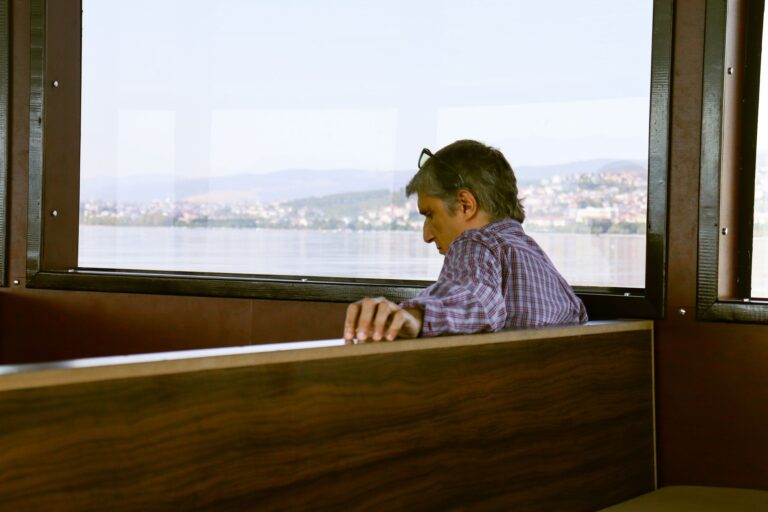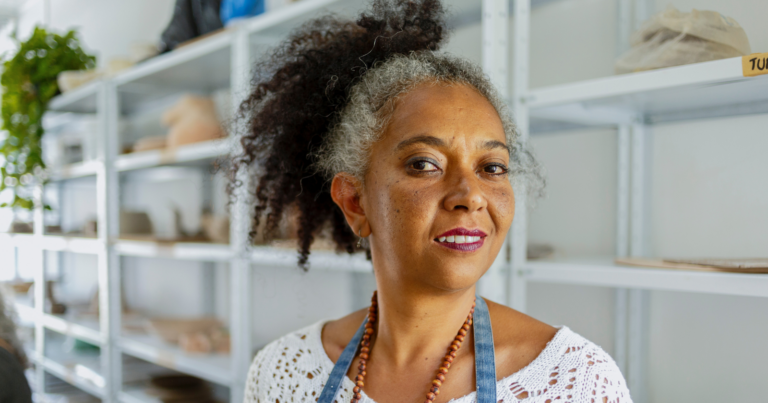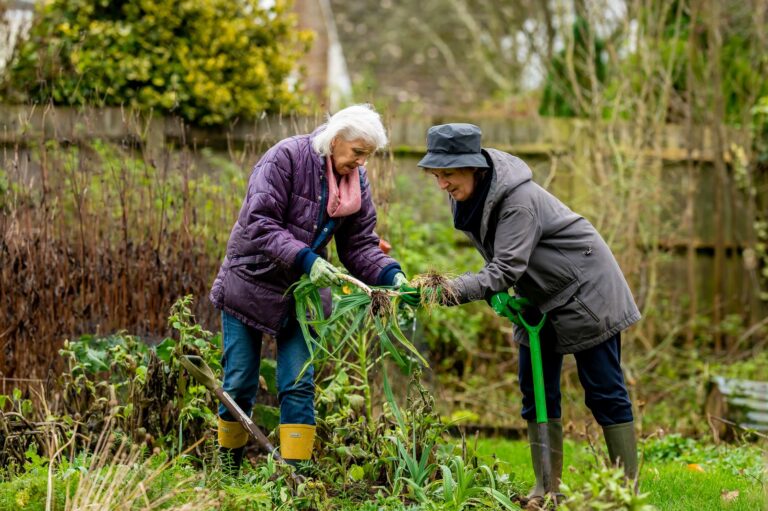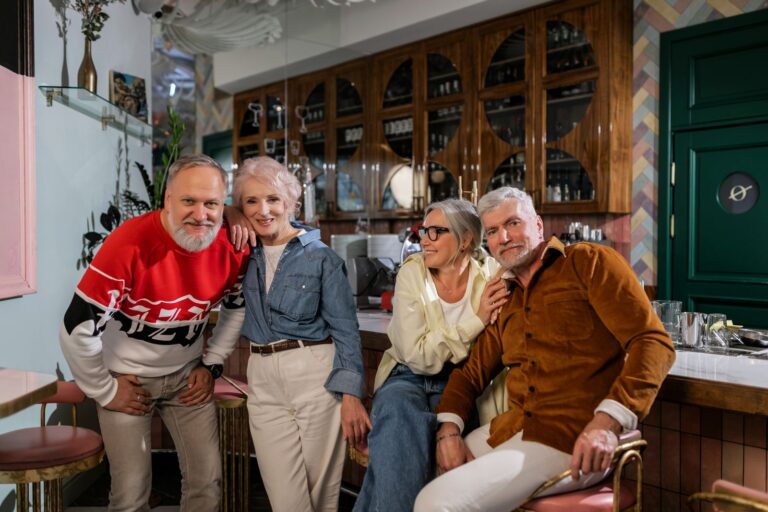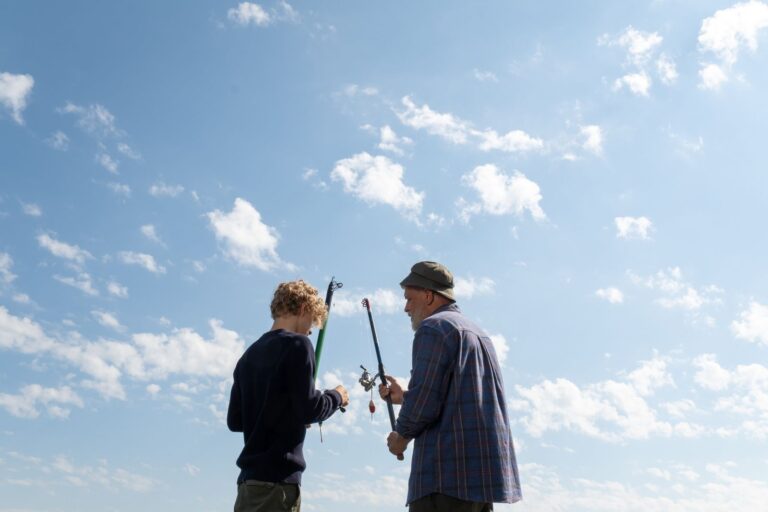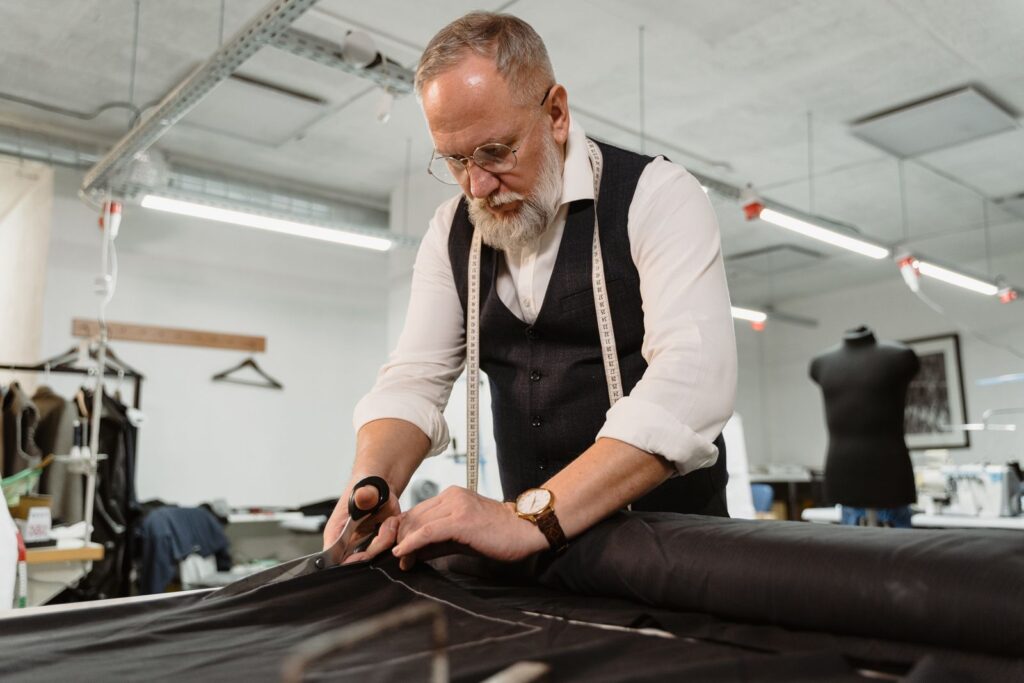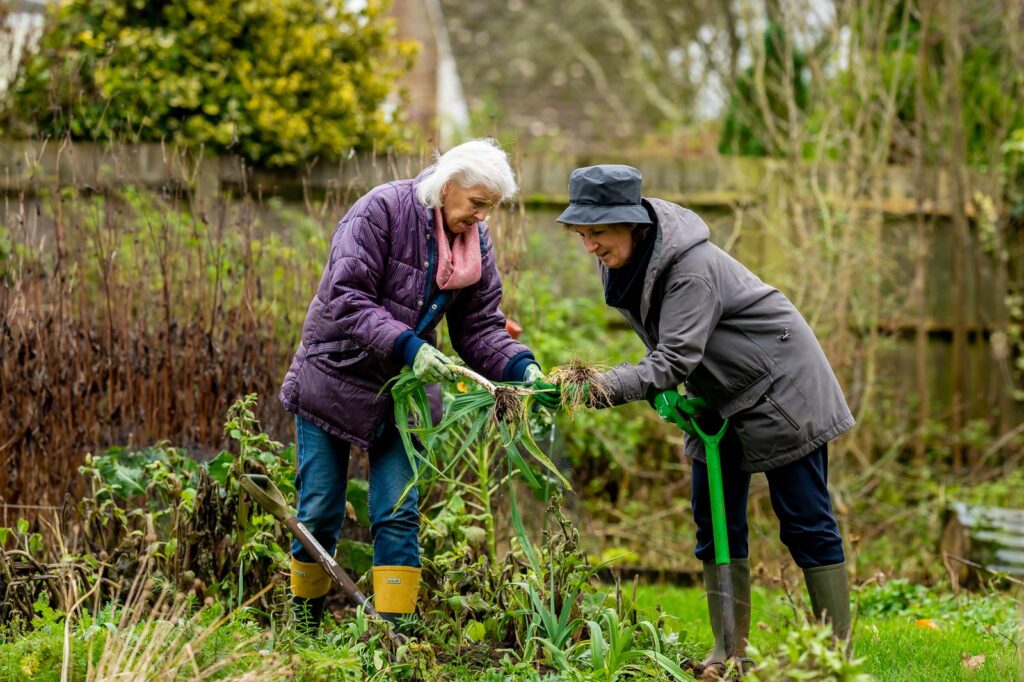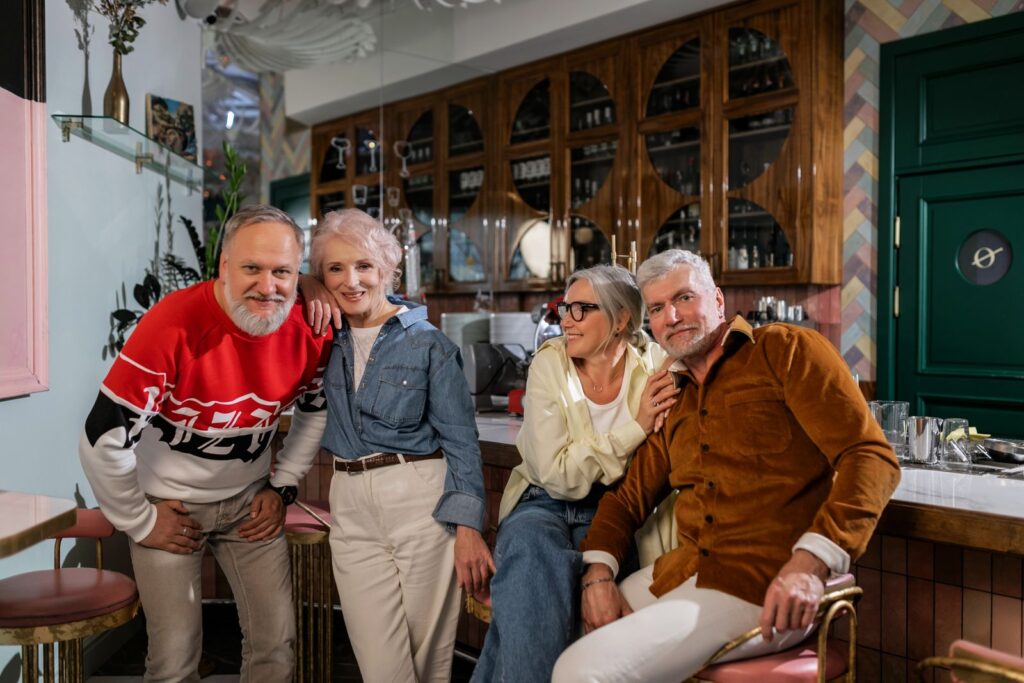
I came across Lyndsey Simpson’s book The Age Rebellion and was struck by how much it has in common with the four ingredients I write about here: Energy, Connection, Purpose and Vision. Simpson comes to the subject through her work in banking and recruitment. I came to it after leaving a long career in education and discovering how ungrounded I felt once the structure of work disappeared. We arrived at a similar question about our lives. What do we want to do with the years ahead, and how much thought have we given to what our days will actually look like?
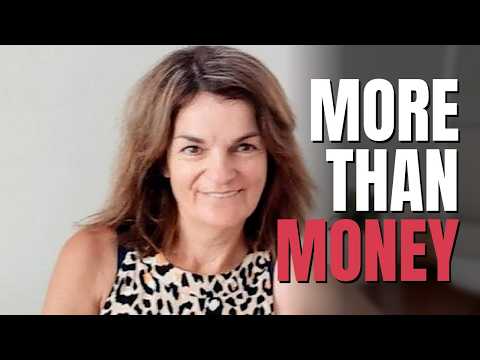
It’s a question I explore in my recent YouTube video, You’ve Sorted the Finances.What Are You Retiring To? We spend a lot of time working out when we can afford to retire. It’s just as worthwhile to think about what we’d like our days to be filled with once we get there. In the video, I talk about what surprised me when I left work even though I had prepared welll and how the four ingredients helped me work out what I wanted more of in this next chapter.
Who is Lyndsey Simpson, and what is the book about?
Lyndsey Simpson is a former banker and recruitment executive who founded 55/Redefined, an organisation that helps employers recruit and support older workers. In The Age Rebellion, she questions the idea that life follows a predictable sequence of education, work and retirement. She argues that a longer life gives us room to change direction more than once, whether that means learning something new, moving into a different field, mentoring or working on terms that suit us better. Here is a link about the book.
One story in the opening chapter resonated with me. A UK bank needed people with experience in commercial banking in the 1990s to review advice given to customers at the time. Simpson began ringing former colleagues she hadn’t spoken to in over a decade. They put her in touch with others, and within eight weeks her firm had recruited around 400 retired bankers for a six-month project involving several banks. Four years later, she writes, 250 of them had taken full-time roles at one of the banks.
I found myself wondering what those bankers were looking forward to when they agreed to go back. Simpson describes people who had enjoyed the freedom of retirement and then found they missed having a routine, solving problems with other people and feeling useful. Those are things we can easily take for granted while we’re working.
Energy — what gives me the inclination to get going?
When I think about energy, I think about the things that make me feel more like myself. Walking, cycling and Pilates all do that for me. So does being curious about a subject and wanting to find out more. I can start reading about something with no particular plan and find myself making notes for an article an hour later.
Simpson’s story made me think about how energising it can be to use a skill you thought you’d left behind. It also made me think about flexibility. One of the freedoms of this stage of life is being able to notice how much you want to take on and what leaves you with enough energy for the other things you enjoy.
Connection — who will I see on an ordinary day?
Work gave me a great deal of incidental contact. I could walk into a meeting a few minutes early and hear what someone had done over the weekend. I could ask a colleague a quick question and end up having a much longer conversation. I also valued the connection we would have through shared goals and tasks.
I’ve learnt that I often connect best one-to-one. A walk with someone I can talk to properly can do more for me than a room full of people. The bankers in Simpson’s story found some of that everyday contact again through sharing tasks and incidental contact.
Purpose — what do I want to give my attention to?
Purpose was the ingredient I thought about most as I read the opening chapter. I understood why those bankers might want to use their experience again. I spent decades in education, and I still enjoy taking an idea, making sense of it and finding a way to share it. These days, that happens through my writing, videos and courses.
Purpose can also be quite specific and temporary. When I signed up for the 50-kilometre Around the Bay ride in Melbourne, I had a reason to get out on my bike regularly. I already enjoyed cycling. Having something to work towards gave those rides a different place in my week. I’ve come to appreciate how much momentum a goal like that can give me.
Vision — what would a good ordinary day look like?
After I left my executive role, I remember sitting at the kitchen table one morning. There were no meetings to prepare for and no emails that needed my immediate attention. I wrote a question in my journal: What would I do if no one needed me to be anyone in particular?
I didn’t have an answer that morning and actually for quite a long time. Eventually, I found my balance with doing the work I love and other things I wanted to do such as cycling, or a walk and coffee with a friend, and have a video call with my granddaughter.
What do you want to make room for?
Reading Simpson’s account made me think about which parts of our working lives we might want to carry forward and what we finally have time to explore. For me, that has meant finding ways to keep doing the parts of education I loved, alongside making room for things that matter to me now. Your own version might begin with something you miss, something you already enjoy and want to do more often, or something you’ve been curious about for years.
If you’d like a starting point, my free Retirement Thrive Score quiz takes about two minutes. It gives you a personalised look at your Energy, Connection, Purpose and Vision and can help you decide which ingredient you’d like to give a little more attention to.