Retirement, changes in hearing and the loss of a partner can each alter how people stay in touch. Studies of these experiences offer several practical ways to maintain social contact in later life.
What happens to social ties around retirement
When people think about the friendships that matter, they usually picture their closest few. But much of daily social life comes from a wider circle: colleagues, the people you chat with at the club, the neighbour you see on the morning walk. Retirement can quietly thin out this outer ring.
A Finnish study led by Maarit Kauppi and colleagues, published in 2021 in the European Journal of Ageing, followed 2,319 people (most of them women, average age 63) through retirement. Before retiring, participants had an average of about 22 people in their social network, split between an inner circle of very close relationships, a middle circle and an outer circle of more distant ties.
During the move into retirement, the number of people in the outer circle fell. It did not keep falling once people had settled into retirement, which led the researchers to conclude that the drop was linked to retirement itself rather than simply to getting older. The closest relationships held steady.
The change was modest, averaging less than one person. But those outer-circle relationships often provide the casual, everyday contact that makes a week feel full. Lose a few, and it is easy for days to become quieter without anyone deciding they should be.
What helps: Before or soon after leaving work, think about which work friendships you would like to keep and make a plan to see those people outside the workplace. Join or rejoin a group that meets regularly, such as a walking group, a club, a choir or a community garden, so casual contact has somewhere new to come from.
Hearing and everyday conversation
Hearing loss is one of the most common health changes of later life, and one of the most overlooked. It can make conversation tiring, especially in noisy cafés or at family gatherings. Over time, many people start avoiding those situations without fully realising why.
Research suggests this matters for connection. At the start of a large US trial called ACHIEVE, which enrolled older adults with untreated hearing loss, researchers found that poorer hearing was linked to a higher likelihood of loneliness and to smaller, more limited social networks.
The same trial then tested whether treating hearing loss made a difference. In findings published in 2025 in JAMA Internal Medicine, 977 people aged 70 to 84 were randomly assigned either to a hearing program, which included hearing aids, sessions with an audiologist and counselling, or to a general health education program. Over three years, social networks shrank in both groups, but less in the hearing group. On average, people who received hearing care kept about one more person in their social circle, and their loneliness scores rose less.
The researchers were careful to describe these results as exploratory. The effects were modest, the participants were healthier than average, and it is not yet clear how much the difference matters in everyday life. Still, the direction of the findings is consistent: hearing well appears to help people stay in the conversations that keep them connected.
Despite this, many people delay getting help. Piers Dawes, a hearing researcher, has noted in an interview with Macquarie University that only around 20 per cent of people who could benefit from a hearing aid actually use one, and that those who do typically wait at least ten years before acting on their hearing difficulties. A decade is a long time to miss parts of conversations with friends and family.
What helps: If you often ask people to repeat themselves, turn the television up louder than others like, or find group conversations exhausting, book a hearing check. If you already have hearing aids, wear them, and go back to your provider if they are uncomfortable or not helping.
Volunteering after a loss
Work and family routines often create regular opportunities for contact. When those routines change, a regular community commitment can offer another way to see people.
Research on volunteering suggests the value of taking the first step. A US study by Dawn Carr and colleagues, published in 2018 in The Journals of Gerontology, followed 5,882 married adults aged 51 and over. As expected, those who were widowed during the study became lonelier than those who stayed married. But widowed people who started volunteering at least two hours a week had levels of loneliness similar to married people who volunteered.
The study found an association among recently widowed adults. People who took up volunteering may also have differed from those who did not in ways that mattered for loneliness.
What helps: Find one regular commitment that involves other people, whether volunteering, a class, a sporting group or helping at a local school or op shop. Aim for something weekly, so it becomes part of your routine rather than an occasional extra. And rather than waiting for invitations, make a habit of being the one who suggests the coffee, the walk or the phone call.
Ways to stay in touch
- Choose two or three work friends to stay in touch with, and put a date in the diary.
- Join one group that meets regularly, ideally weekly.
- Get your hearing checked, and use hearing aids if they are recommended.
- Consider a volunteer role or community commitment that fits your circumstances.
- Make a habit of reaching out first rather than waiting to be asked.
- If loneliness lingers or you feel low, talk to your GP.
The studies suggest different ways of supporting social contact as circumstances change. Keeping a few wider ties, seeking hearing care when conversation becomes difficult and finding a regular activity are practical options.
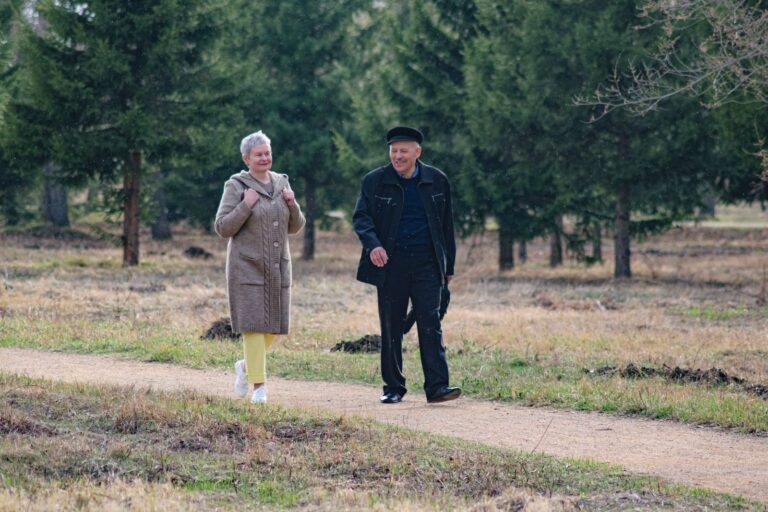
Photo: Wellness Gallery Catalyst Foundation / Pexels (representative image)
Feeling lost or unfulfilled?
Jeanette Brown’s “Your Life Review” video is designed to help you identify key areas in your life that need improvement.
Through a simple yet powerful exercise, you’ll assess your current satisfaction across different life domains, allowing you to pinpoint specific areas for growth.
This life review forms the foundation for creating a clear vision, setting aligned goals, and developing a personalized action plan.
Take the first step towards a more satisfying life. Start your Life Review now and gain immediate access to this transformative exercise.
Navigating Life’s Transitions with Jeanette Brown
Jeanette Brown is here to guide you through life’s transitions.
On her YouTube channel, she offers practical advice and supportive strategies to help you manage personal and career changes effectively.
Her videos focus on fostering resilience and equipping you with the skills needed for self-coaching.
Subscribe here to start mastering your life transitions today.