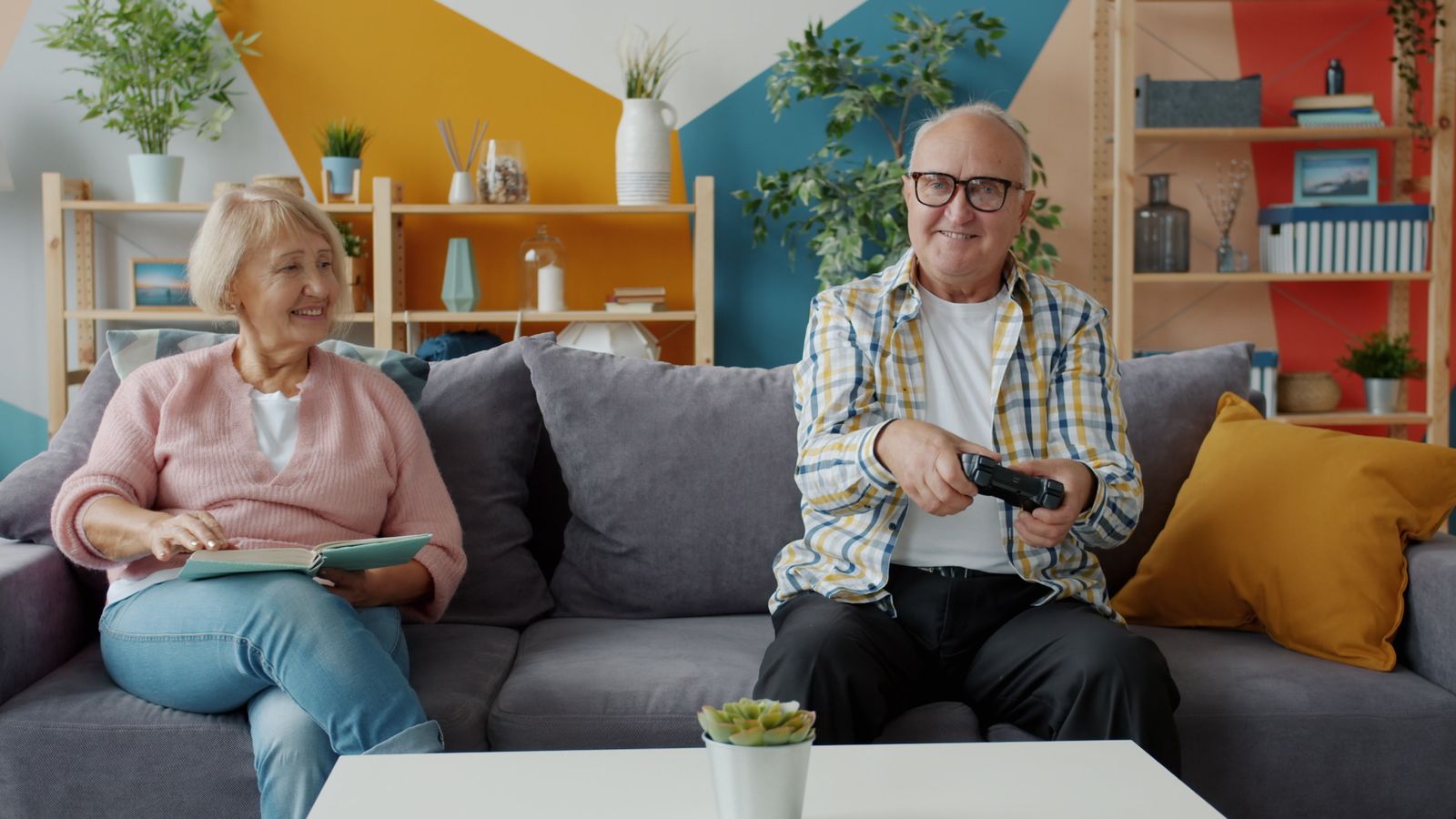
For decades, many couples see each other mainly at breakfast, in the evenings and on weekends. Then retirement arrives, and suddenly they are together almost all day. For some, it is the reward they have been waiting for. For others, it brings an unexpected question: is it normal to want a bit of time on your own, away from the person you love?
A US study found that the transition out of work was associated with more marital conflict, particularly when one partner retired while the other kept working. That adjustment can include deciding how much time to spend together and how to make room for individual interests.
Marital quality during the transition
One of the best-known studies on this question came from the Cornell Retirement and Well-Being Study in the United States. Sociologist Phyllis Moen and colleagues studied 534 married men and women aged 50 to 74 in upstate New York, some still working, some newly retired and some retired for longer.
Their findings, published in 2001 in Social Psychology Quarterly, showed that the move into retirement was linked to a decline in marital quality for both husbands and wives. People who had recently retired reported more conflict with their spouses than those who had not yet retired or who had been retired for more than two years.
The strain was greatest when one partner retired while the other was still working. But the story did not end there. Once both partners had settled into retirement, according to Cornell University, couples reported the highest marital satisfaction and the least conflict of any group in the study. As Moen put it at the time, it was not being retired but becoming retired that seemed most stressful for marriages.
The researchers also noticed that newly retired women tended to become more satisfied with their marriages when they went back to work in other jobs, and a related Cornell study found that retired men who took up new work reported higher morale. The research examined returning to paid work. Volunteering and regular commitments with friends are other examples of interests that couples can discuss as they establish new routines.
The study is now more than two decades old and was carried out in one region of the United States, so the details may not apply everywhere. Still, its central message rings true for many couples: retirement is a period of adjustment, and friction in the first year or two does not mean a marriage is failing.
Why more time together can bring friction
There are several reasons the shift can be tricky. Work gives people structure, a sense of purpose, social contact and, simply, somewhere to be. When that disappears, partners can find themselves leaning on each other to fill gaps that used to be filled elsewhere.
Habits that were barely noticed before can suddenly loom larger when two people share the same kitchen all day. Questions about who does which household jobs, how to spend the day and how much time to spend together all need to be worked out again, often without either person having thought about them in advance.
None of this means couples should avoid each other. In fact, research on how older couples spend their days suggests time together is usually a good thing.
How couples experience time together
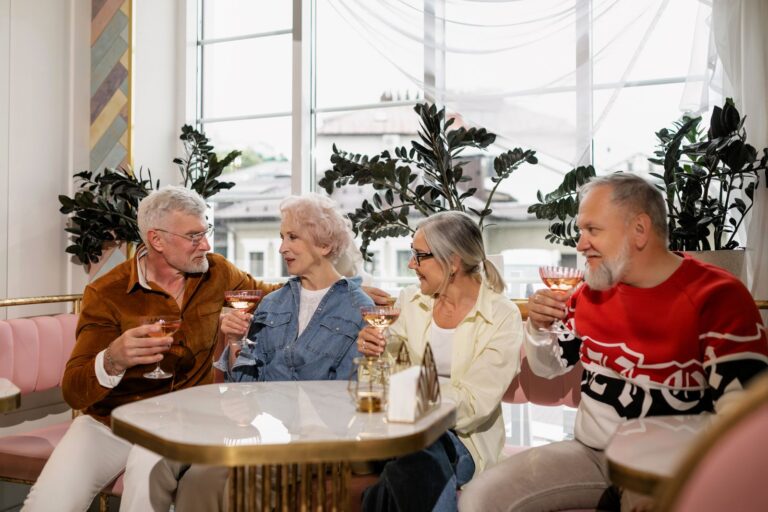
A study by Sarah Flood, Katie Genadek and Phyllis Moen used detailed time diaries from married people aged 50 to 75 in the United States, with both partners recording the same days. In their 2018 working paper, they found that couples spent around five hours a day in each other’s company on average, and that people tended to feel happier during time spent with their spouse than time spent without them.
The same study added an important qualification. Couples with more supportive marriages spent more face-to-face time together, while those with more strain spent less. And for wives in marriages with high strain, being with their husbands was linked to lower happiness than being apart. The diary findings describe how people felt during time together and apart. They leave open whether changing the amount of time together would change relationship quality.
A life of your own inside a shared life
Psychologists who study relationships often draw on self-determination theory, which holds that people have a basic need for autonomy: the sense of acting as yourself and by your own choice. In relationships, this does not mean independence from your partner. It means feeling free to be yourself within the relationship rather than feeling pressured or obliged.
A series of four studies led by C. Raymond Knee and colleagues, published in 2005 in the Journal of Personality and Social Psychology, found that people who felt more autonomous in their relationships responded to disagreements in more understanding and less defensive ways, and felt more satisfied afterwards.
More recent research has pointed the same way. Two daily diary studies of couples in long-term relationships found that on days when people felt more autonomous within their relationship, they were more satisfied with it, both on the day and over time. A 2019 paper by researchers at Utrecht University argued that partners maintain their relationships best when they feel closely connected and, at the same time, keep a sense of who they are as individuals.
The autonomy studies measured how much freedom people felt to act in line with their own values and interests. Time for a hobby or for friends is one way some couples choose to make room for those interests.
Discussing time together and apart
Couples can discuss whether the arrangements give both people room for individual interests and enjoyable time together.
- Both partners feel free to ask for it without guilt or explanation.
- It is balanced with regular, enjoyable time together.
- Each person comes back feeling refreshed rather than relieved to have escaped.
- It supports interests and friendships that each partner values.
It may be a sign of something deeper when one partner feels they need to get away to avoid conflict, or when time apart replaces conversations that need to happen. In those cases, it may help to talk openly about what is going on, and some couples find a counsellor useful.
Practical ways to make room for each other
- Talk about it before or soon after retiring. Discuss how each of you imagines a typical week, including time together and time apart.
- Keep your own interests. Hobbies, clubs, volunteering and friendships give each partner a sense of purpose outside the relationship.
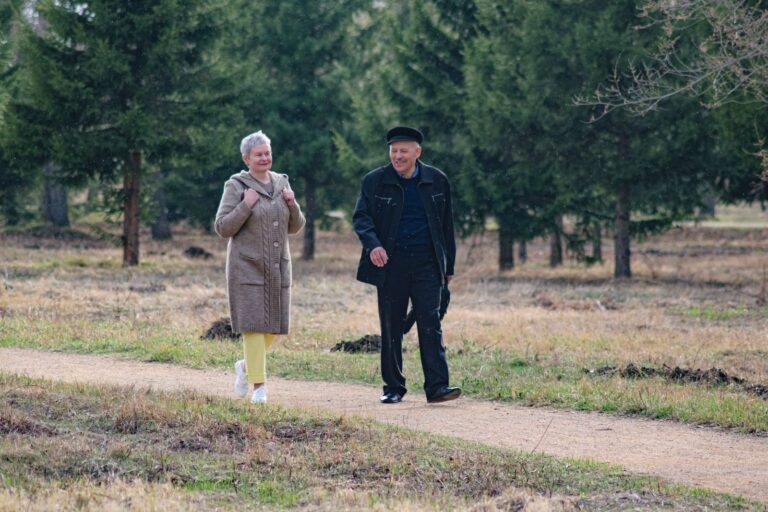
- Plan shared time too. Regular walks, outings or meals together help make sure time apart does not turn into drifting apart.
- Divide the space. Some couples find it helps to have a corner, room or shed that is clearly each person’s own.
- Ask kindly and plainly. Saying “I would love a quiet afternoon to myself” is easier to hear than slipping away without a word.
- Give it time. The research suggests things often improve once both partners have settled into retirement.
Retirement gives couples a reason to revisit their routines. The studies suggest that the transition can bring strain and that autonomy and good time together both matter for how people experience a relationship.
Photo: Vitaly Gariev / Pexels (representative image)
Navigating Life’s Transitions with Jeanette Brown
Jeanette Brown is here to guide you through life’s transitions.
On her YouTube channel, she offers practical advice and supportive strategies to help you manage personal and career changes effectively.
Her videos focus on fostering resilience and equipping you with the skills needed for self-coaching.
Subscribe here to start mastering your life transitions today.