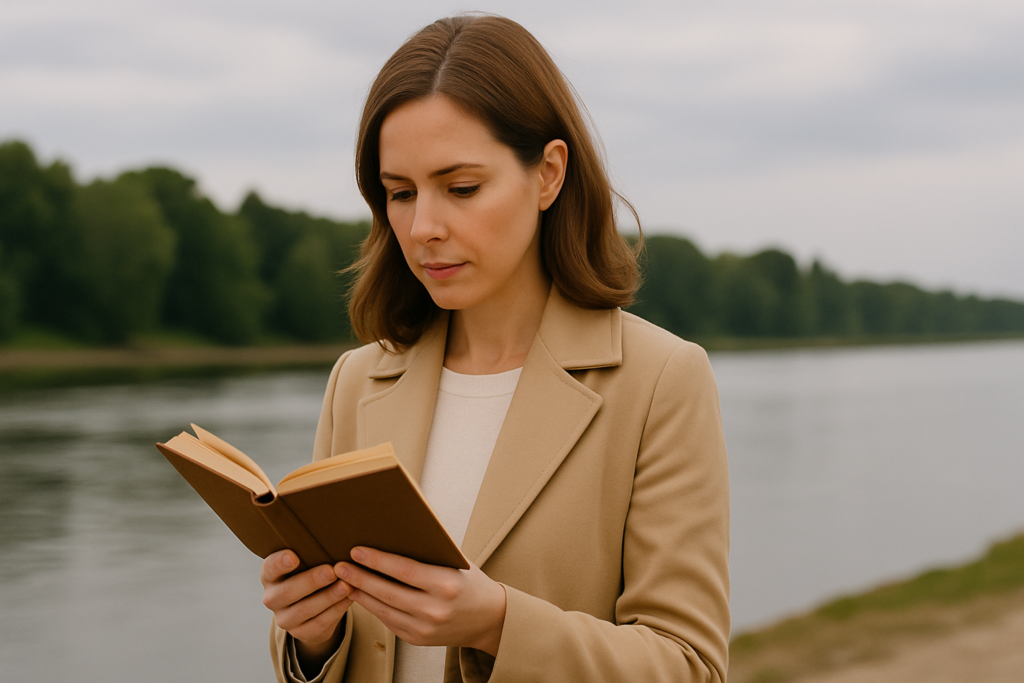
I do some of my clearest thinking outdoors, especially when I’m walking. Yet even then, it’s tempting to fill the silence with a podcast. I can be halfway through a lovely stretch before I realise I haven’t noticed much of it.
There’s nothing wrong with a good podcast. But sometimes I need to hear my own thoughts for a while (but not all the time!)
That became more important after I retired. I had looked forward to having time to myself, but I hadn’t expected how strange it would feel when the familiar structure of work disappeared. I had plans. What I didn’t yet have was a clear sense of who I was without my working life to organise the week and how I would manage spending more time alone.
Being alone and feeling lonely are different experiences
I want to be careful about celebrating solitude too easily. Time alone can feel restful when we’ve chosen it. It can feel quite different when we’re longing for company and it isn’t there.
Research reflects some of that complexity. In one study of everyday solitude, researchers found both calm, positive experiences of being alone and more difficult ones. Another series of studies suggested that having some choice about being alone mattered to how people experienced that time.
That distinction rings true to me. An hour spent happily reading is different from an afternoon when you wish someone would call. And we can experience both in the same week.
I’ve come to think of solitude as one part of a fulfilling retirement. When I write about this stage of life, I often return to four ingredients: energy, connection, purpose and vision. A little time alone can help us pay attention to each of them, provided we also recognise when we need something else.
Energy: noticing what restores you
Retirement can look wonderfully spacious from the outside. But a full calendar can follow us out of working life. There are family commitments, appointments, travel plans and all the things we once said we’d do when we had more time.
A quiet walk or half an hour with a journal gives me a chance to ask a simple question: How am I actually feeling?
Perhaps I’m tired and have been treating it as a failure of motivation. Perhaps I’m restless because I’ve spent too much time indoors. Sometimes the answer is that I need to go home, put the kettle on and stop trying to make the afternoon productive.
For me, that’s part of energy: understanding what supports my physical and emotional wellbeing and noticing when I need to adjust. Having some quiet time can make those signals easier to hear. It needn’t be another task to fit into the day.
Connection: giving relationships room to breathe
There’s a small irony here. Time alone can help us become more aware of our need for other people.
When I have space to reflect, I’m better able to notice the difference between being busy with people and feeling connected to them. I can ask myself whose company I miss, which conversations leave me feeling understood, and whether I’ve been waiting for someone else to make the first move.
Related Stories from Jeanette Brown
- The retirees who age with the most life in their eyes aren’t the ones who travel the most, they’re the ones who can still be genuinely surprised by something they didn’t know on a Tuesday afternoon
- When you strip away the title, the office, the team, and the routine, what remains isn’t nothing — it’s the person you were always too busy to meet
- The version of you built around work doesn’t leave in a single moment — it fades in small disappearances: the rhythm, the urgency, the sense of being needed by people who won’t call again
Solitude and connection needn’t compete. Sometimes an enjoyable morning on your own makes you more ready to meet a friend in the afternoon. Sometimes a quiet morning reveals that what you really want is company.
There’s no virtue in insisting you should be content alone when you’re lonely. Equally, enjoying your own company doesn’t mean you care any less about the people in your life. The balance can change from day to day.
Purpose: listening beyond your old job title
Work gave much of my life a ready-made answer to the question, What do you do? Retirement made that answer less straightforward.
It’s easy to feel pressure to replace a career with an equally impressive project. I don’t think purpose has to work that way. It may be found in writing, helping a neighbour, learning something new, caring for family or giving proper attention to an interest that never had much room before.
Time alone can help us notice which of those things matter to us, away from other people’s expectations. I’ve found journaling useful here. I don’t sit down knowing what I’m going to write. Quite often, I begin with something that has been bothering me and discover that the real question is a little different.
Vision: imagining an ordinary Tuesday
Once we have more freedom, it’s tempting to think of retirement in terms of the big things: trips, projects and long-held dreams. I value those too. But most of our lives are made up of ordinary days.
When I think about vision, I’m interested in those days as much as the special occasions. What would I like an ordinary Tuesday to feel like? Where would I find movement, companionship, interest and time to myself?
A little quiet can make it easier to picture that life. Without the noise of everyone else’s ideas about a successful retirement, we can start to see which possibilities are genuinely ours.
The answer doesn’t have to arrive fully formed. It might begin with the realisation that you’d like to spend more time outdoors, or see a particular friend more often, or finally return to something you loved years ago.
Making room for a little quiet
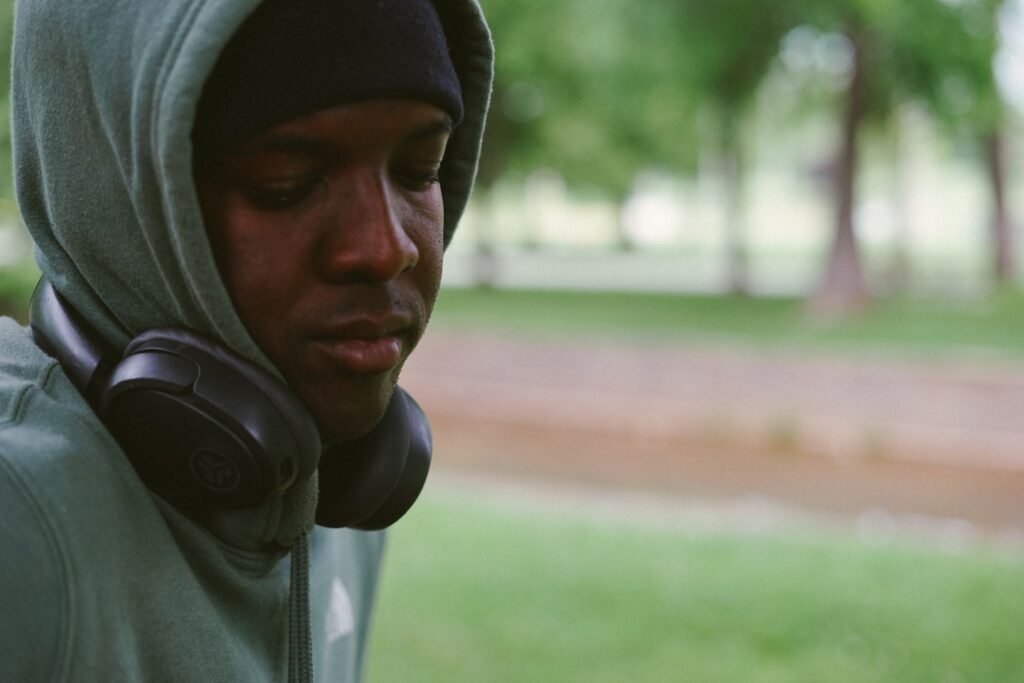
You don’t need a strict daily practice. A walk without headphones, a cup of tea before opening your phone, or ten minutes with a notebook may be enough to see what comes up.
If you’re approaching retirement or finding your way through it, my Your Retirement, Your Way course offers video lessons, journaling exercises and practical tools to help you explore your energy, connection, purpose and vision. You can work through it at your own pace and build a Retirement Thrive Plan around what matters to you.
The next time I head out for a walk, I may still choose a podcast. But I like knowing I can leave the headphones in my pocket for a while and see what thoughts turn up.
Related Stories from Jeanette Brown
- The retirees who age with the most life in their eyes aren’t the ones who travel the most, they’re the ones who can still be genuinely surprised by something they didn’t know on a Tuesday afternoon
- When you strip away the title, the office, the team, and the routine, what remains isn’t nothing — it’s the person you were always too busy to meet
- The version of you built around work doesn’t leave in a single moment — it fades in small disappearances: the rhythm, the urgency, the sense of being needed by people who won’t call again
Feeling lost or unfulfilled?
Jeanette Brown’s “Your Life Review” video is designed to help you identify key areas in your life that need improvement.
Through a simple yet powerful exercise, you’ll assess your current satisfaction across different life domains, allowing you to pinpoint specific areas for growth.
This life review forms the foundation for creating a clear vision, setting aligned goals, and developing a personalized action plan.
Take the first step towards a more satisfying life. Start your Life Review now and gain immediate access to this transformative exercise.
Related Stories from Jeanette Brown
- The retirees who age with the most life in their eyes aren’t the ones who travel the most, they’re the ones who can still be genuinely surprised by something they didn’t know on a Tuesday afternoon
- When you strip away the title, the office, the team, and the routine, what remains isn’t nothing — it’s the person you were always too busy to meet
- The version of you built around work doesn’t leave in a single moment — it fades in small disappearances: the rhythm, the urgency, the sense of being needed by people who won’t call again
Feeling lost or unfulfilled?
Jeanette Brown’s “Your Life Review” video is designed to help you identify key areas in your life that need improvement.
Through a simple yet powerful exercise, you’ll assess your current satisfaction across different life domains, allowing you to pinpoint specific areas for growth.
This life review forms the foundation for creating a clear vision, setting aligned goals, and developing a personalized action plan.
Take the first step towards a more satisfying life. Start your Life Review now and gain immediate access to this transformative exercise.