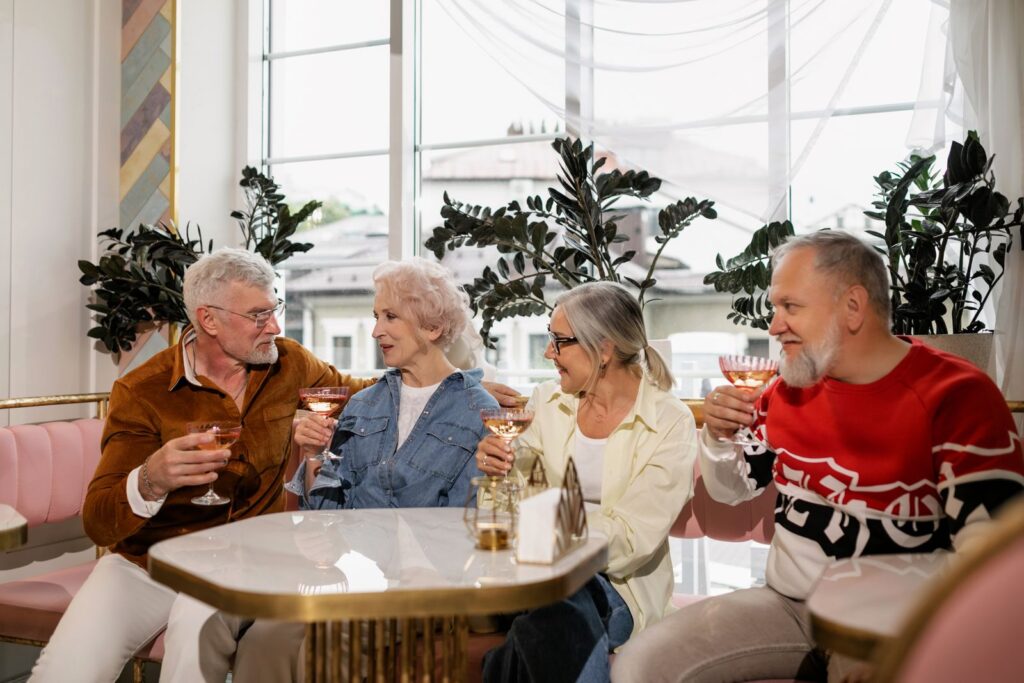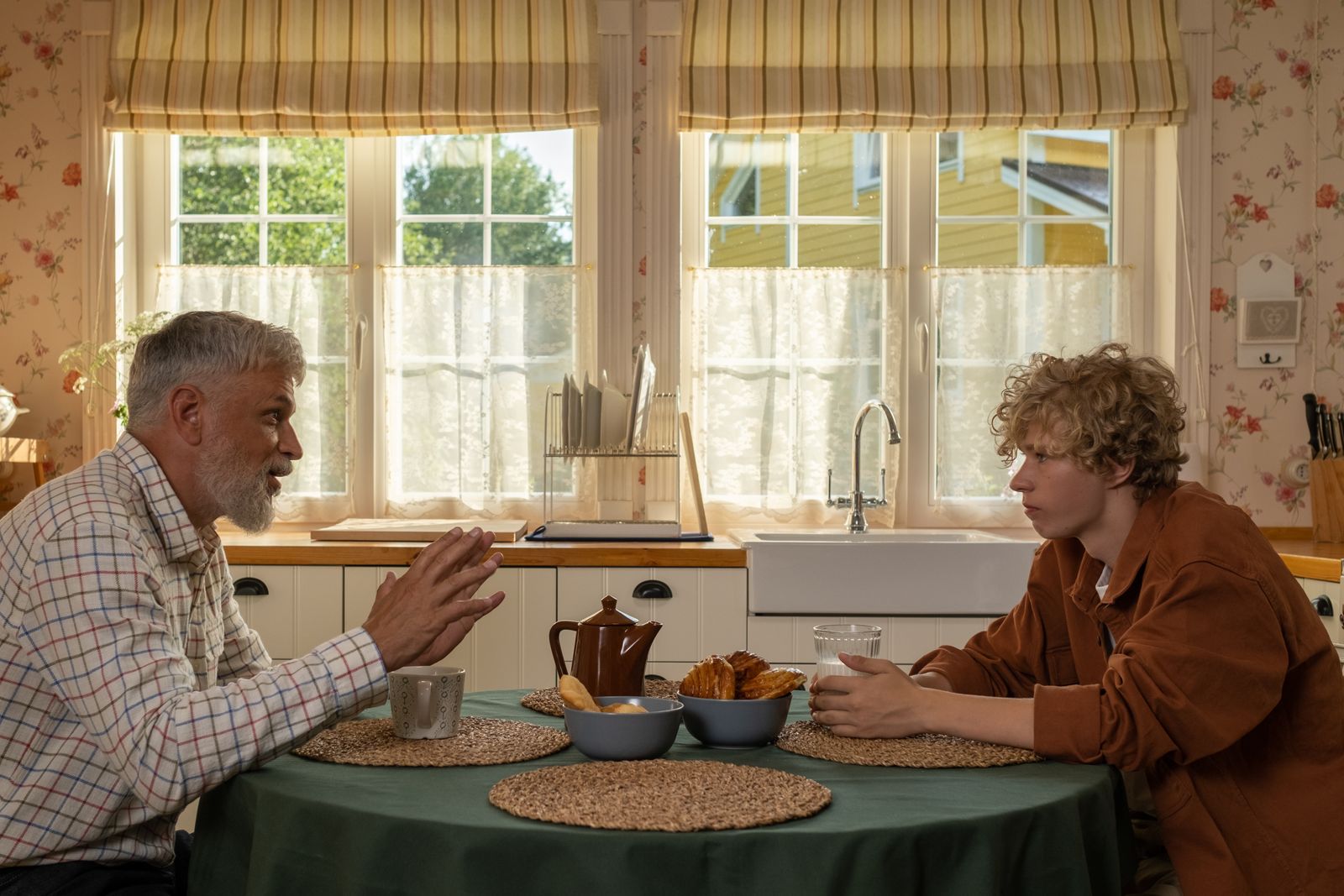
“With age comes wisdom” is one of the oldest assumptions about later life. Grandparents are expected to offer sage advice, elders are consulted in many cultures, and growing older is often consoled with the thought that at least it brings understanding.
Psychological research paints a more varied picture. Some studies link older age with wiser reasoning, while others find little age difference. Reflection on difficult experiences is associated with wisdom, and experiments suggest that a change in perspective can improve how people reason about a personal problem. Whether these effects produce lasting changes in everyday wisdom needs further study.
What researchers mean by wisdom
Wisdom is hard to define, but researchers have identified some common ingredients. Psychologist Igor Grossmann of the University of Waterloo in Canada and his colleagues focus on what they call wise reasoning: recognising the limits of one’s own knowledge, considering other people’s perspectives, looking for compromise, and accepting that situations can change over time.
Other researchers, such as Judith Glück at the University of Klagenfurt in Austria and Susan Bluck at the University of Florida, emphasise openness, empathy, emotional balance and the ability to reflect on life.
Does wisdom grow with age?
The answer seems to be: sometimes.
In a 2010 study published in the Proceedings of the National Academy of Sciences, Grossmann and colleagues asked Americans of different ages to read about conflicts between groups and between individuals, and to predict how they would unfold. Older participants were more likely than young and middle-aged adults to use wise reasoning, such as considering multiple perspectives, allowing for compromise and recognising the limits of what they knew. This happened even though some other thinking skills tend to decline with age.
However, other research has found a more mixed picture. Earlier work from the Berlin Wisdom Project, led by Paul Baltes, found that wisdom-related knowledge grew strongly from adolescence into adulthood but then stayed fairly stable from the 20s into the 80s, rather than steadily increasing. A later cross-cultural study by Grossmann and colleagues found that older age was linked with wiser reasoning among Americans, but not among Japanese participants, whose younger adults already scored highly.
Perhaps most tellingly, a 2014 study by Grossmann and Ethan Kross, published in Psychological Science, compared younger adults aged 20 to 40 with older adults aged 60 to 80 when they reasoned about conflicts in their own close relationships. There was no age difference in how wisely they reasoned. When the problem was personal, age alone did not seem to help.
Wiser about other people’s problems
That same 2014 study uncovered a more widespread pattern. Across three experiments involving 693 people, participants reasoned more wisely about another person’s relationship problems than about their own. Grossmann and Kross called this “Solomon’s paradox,” after the biblical king renowned for wise judgements who was said to have made poor decisions in his own life.
Most people will recognise the pattern. It is often easy to see what a friend should do about a difficult partner, a family dispute or a work problem, but much harder to see clearly when the same problem is personal. Strong emotions, wounded pride and the urge to be right can crowd out balanced thinking.
Stepping back helps
In two of the experiments, the researchers tested whether taking an observer’s perspective narrowed the gap. When participants were asked to think about their own problem as if they were an outside observer, using their own name or “you” rather than “I,” their reasoning became as wise as when they considered someone else’s problem. This technique, called self-distancing, worked equally well for younger and older adults.
In other words, wise reasoning is not just a fixed quality that some people have and others lack. It can be prompted by a change in perspective.
Related Stories from Jeanette Brown
Wisdom varies from day to day
Further support for this idea comes from a 2016 study by Grossmann, Tanja Gerlach and Jaap Denissen, published in Social Psychological and Personality Science. They asked 152 adults in and around Berlin to keep a diary for nine days, describing a challenging situation each day and how they thought about it.
The researchers found that the same person’s wisdom varied more from one day to the next than the average level of wisdom differed between people. People reasoned more wisely in social situations, and on days when they did so, they also tended to see the bigger picture, feel more positive emotions, react less strongly and be more willing to forgive.
This suggests wisdom may be better thought of as something people do in particular moments, rather than something they simply are.
How hard experiences can become wisdom
If wisdom is learned, where does the learning happen? Glück and Bluck’s “MORE Life Experience Model” proposes that life’s challenges, such as illness, loss, conflict and major decisions, act as catalysts for wisdom. But they do not automatically make people wiser. Whether they do seems to depend on personal resources such as a sense of mastery, openness, the habit of reflection, emotional regulation and empathy.
Research by Nic Weststrate and Judith Glück, published in 2017, found that the way people think back on hard experiences matters. Wiser people tended to explore what difficult events meant and how they had changed them. By contrast, simply reframing events positively and putting them behind them was not linked with wisdom in the same way.
The study links exploratory reflection with higher wisdom scores. It leaves open whether changing how people reflect would make them wiser over time.
Practising wisdom
The findings suggest several approaches people can try when thinking through a difficult situation.
- Step back. When facing a personal problem, imagine advising a friend in the same situation, or think about it using your own name. This simple shift can encourage more balanced reasoning.
- Acknowledge the limits of what you know. Asking “What might I be missing?” or “How might this look in a year?” encourages humility and a longer view.
- Seek other perspectives. Deliberately considering how others see a situation, or asking them, can reveal options that are not obvious from one viewpoint.
- Reflect on hard experiences. Thinking or writing about what a difficult period taught, and how it changed outlook or priorities, may help turn experience into insight.
- Stay open. Trying new things and staying curious about different views keeps the mind flexible.
- Share what you have learned. Talking with younger family members or friends about lessons from life can sharpen reflection and pass on hard-won understanding.
What the research cannot say
Wisdom is notoriously difficult to measure, and researchers use different definitions and methods. Many studies rely on how people reason about short written scenarios or report on their own thinking, which may not fully reflect wise behaviour in real life. Much of the research comes from North America and Europe, and cultural differences appear to matter. There is still relatively little long-term research tracking how individuals’ wisdom changes across decades.
What stepping back can offer
Life offers many opportunities to reconsider what we know and learn from other people. The studies described here suggest practical ways to approach a problem more thoughtfully, including considering another perspective and stepping back from an immediate emotional reaction. These are approaches to try in daily life, while recognising that lasting wisdom is harder to measure.
Research sources
- Grossmann and colleagues, reasoning about social conflicts (2010)
- Grossmann and Kross, Solomon’s paradox (2014)
- Grossmann, Gerlach and Denissen, daily wise reasoning (2016)
- Glück and colleagues, an update on the MORE model (2019)
- Weststrate and Glück, reflection on difficult experiences (2017)
- Grossmann and colleagues, culture and wisdom (2012)
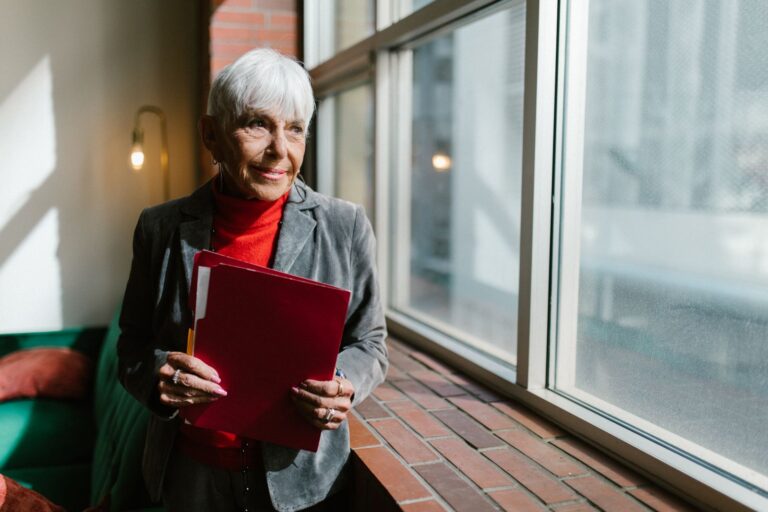
Photo: Ron Lach / Pexels (representative image)
Related Stories from Jeanette Brown
Navigating Life’s Transitions with Jeanette Brown
Jeanette Brown is here to guide you through life’s transitions.
On her YouTube channel, she offers practical advice and supportive strategies to help you manage personal and career changes effectively.
Her videos focus on fostering resilience and equipping you with the skills needed for self-coaching.
Subscribe here to start mastering your life transitions today.
Related Stories from Jeanette Brown
Feeling lost or unfulfilled?
Jeanette Brown’s “Your Life Review” video is designed to help you identify key areas in your life that need improvement.
Through a simple yet powerful exercise, you’ll assess your current satisfaction across different life domains, allowing you to pinpoint specific areas for growth.
This life review forms the foundation for creating a clear vision, setting aligned goals, and developing a personalized action plan.
Take the first step towards a more satisfying life. Start your Life Review now and gain immediate access to this transformative exercise.