Feeling tired and flat from time to time is part of life. But for many people, low energy becomes a regular companion, especially as the years go by. Getting going in the morning feels harder, afternoons drag and it becomes tempting to sit out activities that once brought joy.
Exercise trials have measured how regular activity affects people’s reported energy and fatigue. Other studies have looked at time outdoors, sleep and how older adults spend time alone and with others.
Regular exercise and fatigue
When people feel tired, exercise is often the last thing they want to do. Reviews of exercise trials report average improvements in how energetic and tired people feel.
In a 2006 review published in Psychological Bulletin, Tim Puetz, Patrick O’Connor and Rod Dishman of the University of Georgia analysed 70 randomised trials involving 6,807 people. Across the studies, regular exercise was associated with higher reported energy and less fatigue than comparison conditions.
A larger review in 2022, led by Carly Wender with O’Connor and published in Frontiers in Psychology, combined 81 trials with more than 7,000 participants. Exercise programs reduced feelings of fatigue and increased feelings of energy and vitality.
Gentle can be enough
Perhaps the most encouraging finding is that intense workouts are not required. In a 2008 study published in Psychotherapy and Psychosomatics, Puetz, Sara Flowers and O’Connor recruited 36 inactive adults who reported persistent tiredness that was not caused by a medical condition. Over six weeks, some did low-intensity exercise, some did moderate-intensity exercise and some did none.
Both exercise groups reported about a 20 per cent increase in energy compared with the group that did not exercise. But the low-intensity group, using a stationary bicycle at low intensity, reported a 65 per cent drop in fatigue, more than the 49 per cent drop in the moderate-intensity group. Improvements in reported energy and fatigue did not track changes in aerobic fitness.
The study involved 36 young adults and lasted six weeks. Its percentages apply to the groups and exercise programme studied.
Get outside
Where people move may matter too. In a series of five studies published in the Journal of Environmental Psychology in 2010, Richard Ryan of the University of Rochester and colleagues looked at how being outdoors affects what they called subjective vitality, a feeling of being energetic and alive.
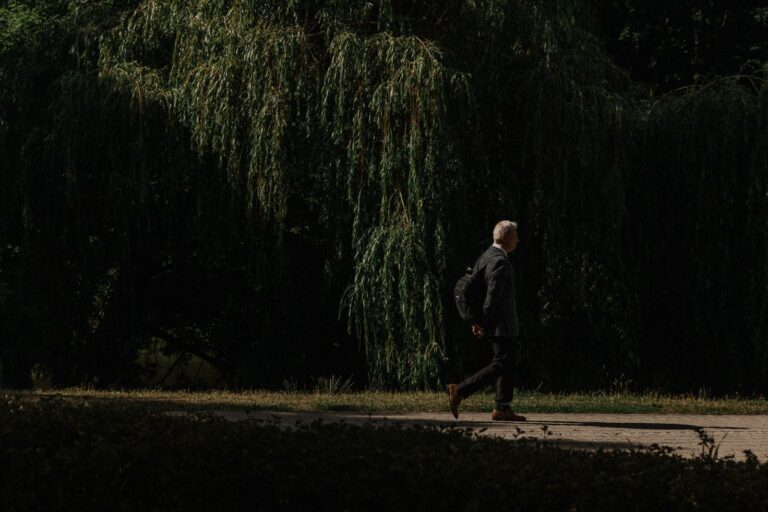
In one experiment, participants took a 15-minute walk either through indoor corridors or along a tree-lined river path. In others, they viewed photos of nature or buildings, or kept diaries of their daily activities. Across the studies, being outdoors in natural settings was linked with greater vitality, even after accounting for physical activity and social contact. The natural elements themselves seemed to make the difference. The experiments and diaries suggest that short periods outdoors may affect how energetic people feel.
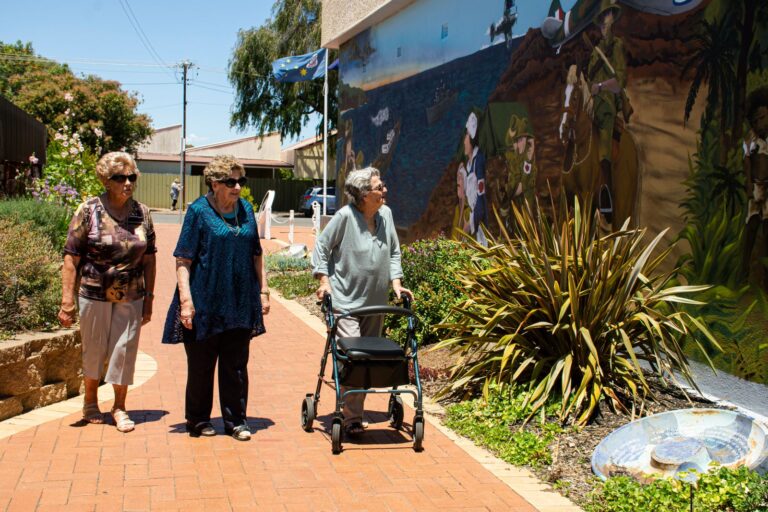
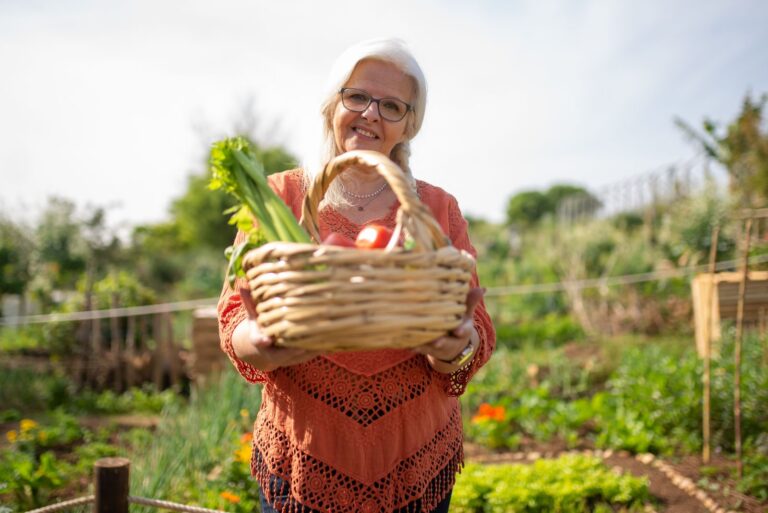
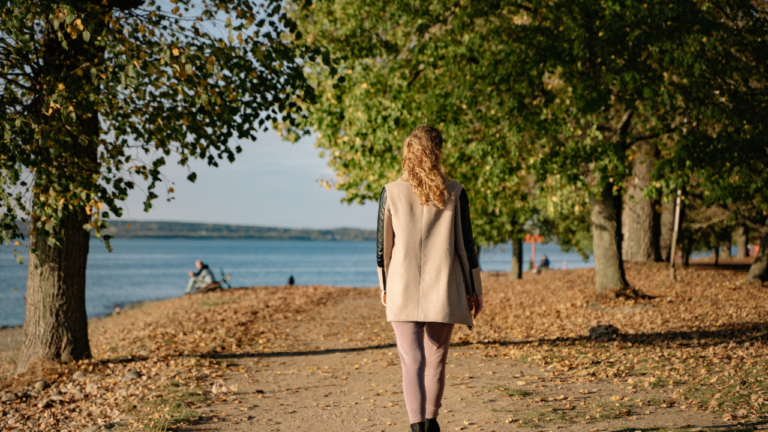
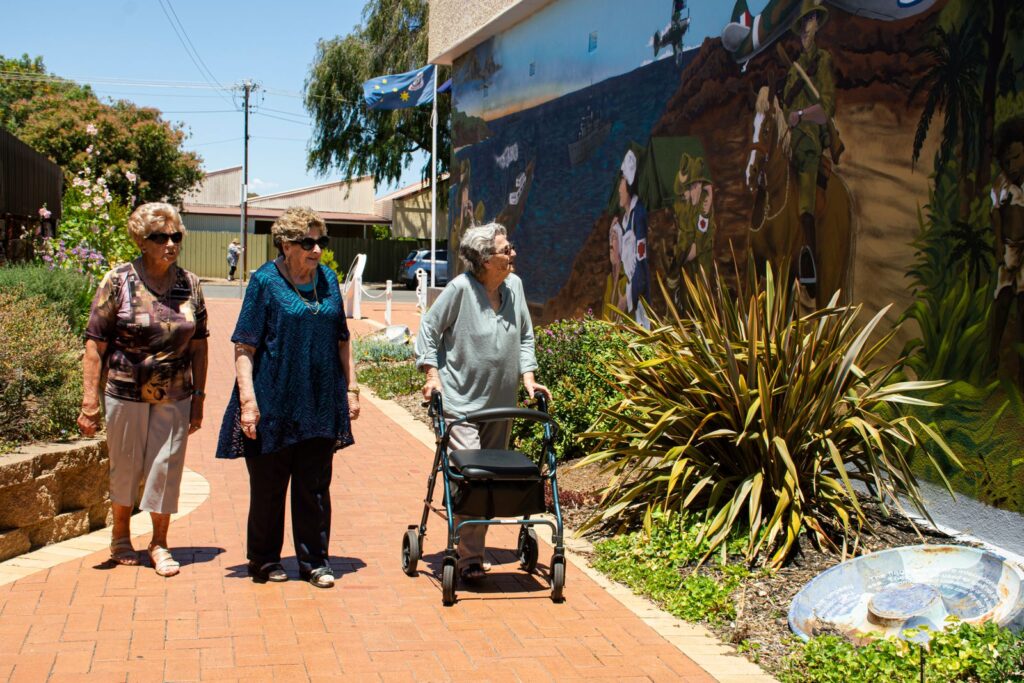
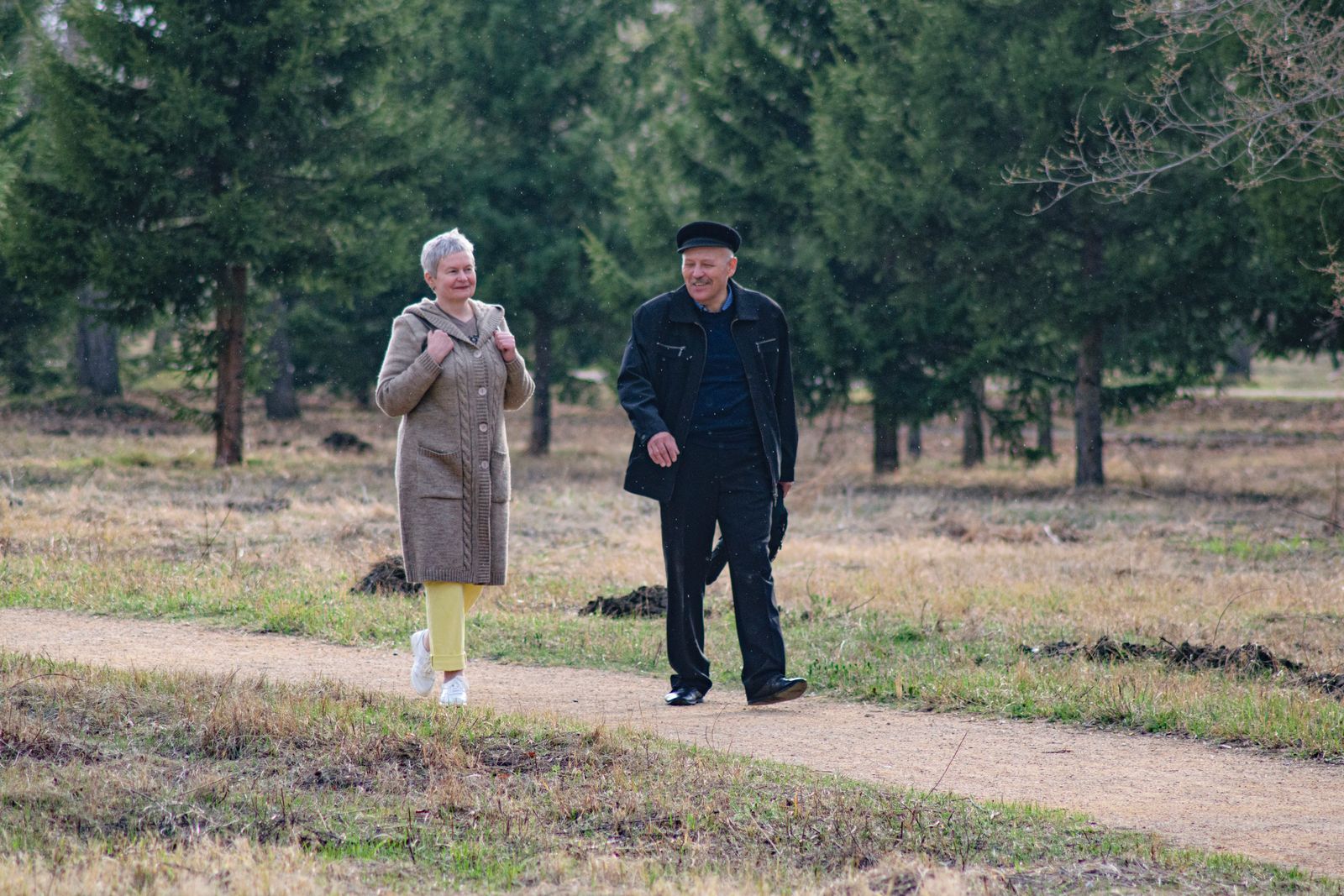
For older Australians, that might mean a morning walk in a local park, time in the garden, coffee on the verandah or a stroll by the water.
Sleep matters, but so does balance
In a 2023 diary study of older adults, Takeshi Nakagawa and colleagues found that how participants rated the previous night’s sleep was associated with their fatigue the following day.
Many sleep problems in later life can be improved. Keeping regular sleep and wake times, getting daylight in the morning, limiting caffeine and alcohol later in the day, and staying active during the day all support better sleep. Persistent problems such as snoring, gasping at night or ongoing insomnia are worth discussing with a GP, as treatments are available.
Company and quiet
Social contact can lift mood, but it also takes energy. A 2022 study by Minxia Luo and colleagues, published in the British Journal of Psychology, followed 118 older adults aged 65 to 94 in Switzerland for 21 days, recording more than 11,000 social interactions through a smartphone app.
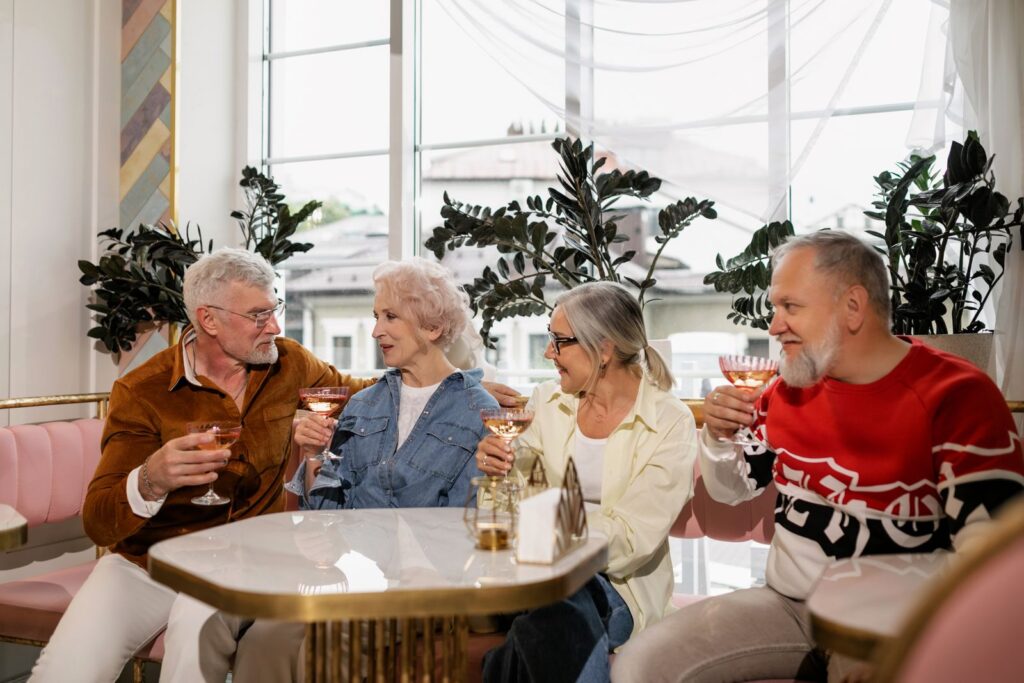
The researchers found that older adults tended to alternate between time with others and time alone, which they suggested reflects a natural balancing act between the need to connect and the need to conserve and restore energy. Participants who generally reported less fatigue tended to spend longer in social interactions after longer periods alone.
The study observed how participants used their time. Whether deliberately changing that pattern affects fatigue remains an open question.
Everyday routines
- Start small with movement. A 10 or 15 minute walk, gentle stretching, tai chi or water exercise can make a difference. Build up gradually.
- Get outside daily. Aim for some time in nature each day, even if it is just the backyard or a nearby park.
- Protect sleep. Keep regular sleep times and seek help for ongoing sleep problems.
- Balance company and solitude. Plan regular social contact, but leave room for quiet time to recharge.
- Do things you enjoy. Activities that bring pleasure or meaning, from hobbies to volunteering, can lift mood and motivation.
- Eat and drink well. Regular meals and enough water help maintain steady energy through the day.
When to see a doctor
Persistent tiredness is not always a lifestyle issue. Ongoing fatigue can be a sign of conditions such as anaemia, thyroid problems, diabetes, heart problems, sleep apnoea or depression, and some medicines can also cause tiredness. Anyone with unexplained, persistent or worsening fatigue, or low mood that does not lift, should see a GP.
What the research cannot say
Many of the studies described here were small or involved younger adults, and much of the research relies on people’s own reports of energy and mood. The studies show that these habits are linked with feeling more energetic, but individual results vary, and people with chronic illness or disability may need tailored advice from a health professional.
What the findings support
Regular exercise has the clearest evidence here for improving self-reported energy and fatigue. Sleep and time outdoors may also matter. Persistent or worsening fatigue is worth discussing with a GP.
Research sources
- Puetz and colleagues, exercise and energy (2006)
- Puetz and colleagues, cycling trial (2008)
- Wender and colleagues, exercise trials review (2022)
- Nakagawa and colleagues, sleep and fatigue (2023)
- Luo and colleagues, social interaction and solitude (2022)
- Ryan and colleagues, nature and vitality (2010)
Photo: Radik 2707 / Pexels (representative image)
Feeling lost or unfulfilled?
Jeanette Brown’s “Your Life Review” video is designed to help you identify key areas in your life that need improvement.
Through a simple yet powerful exercise, you’ll assess your current satisfaction across different life domains, allowing you to pinpoint specific areas for growth.
This life review forms the foundation for creating a clear vision, setting aligned goals, and developing a personalized action plan.
Take the first step towards a more satisfying life. Start your Life Review now and gain immediate access to this transformative exercise.
Navigating Life’s Transitions with Jeanette Brown
Jeanette Brown is here to guide you through life’s transitions.
On her YouTube channel, she offers practical advice and supportive strategies to help you manage personal and career changes effectively.
Her videos focus on fostering resilience and equipping you with the skills needed for self-coaching.
Subscribe here to start mastering your life transitions today.