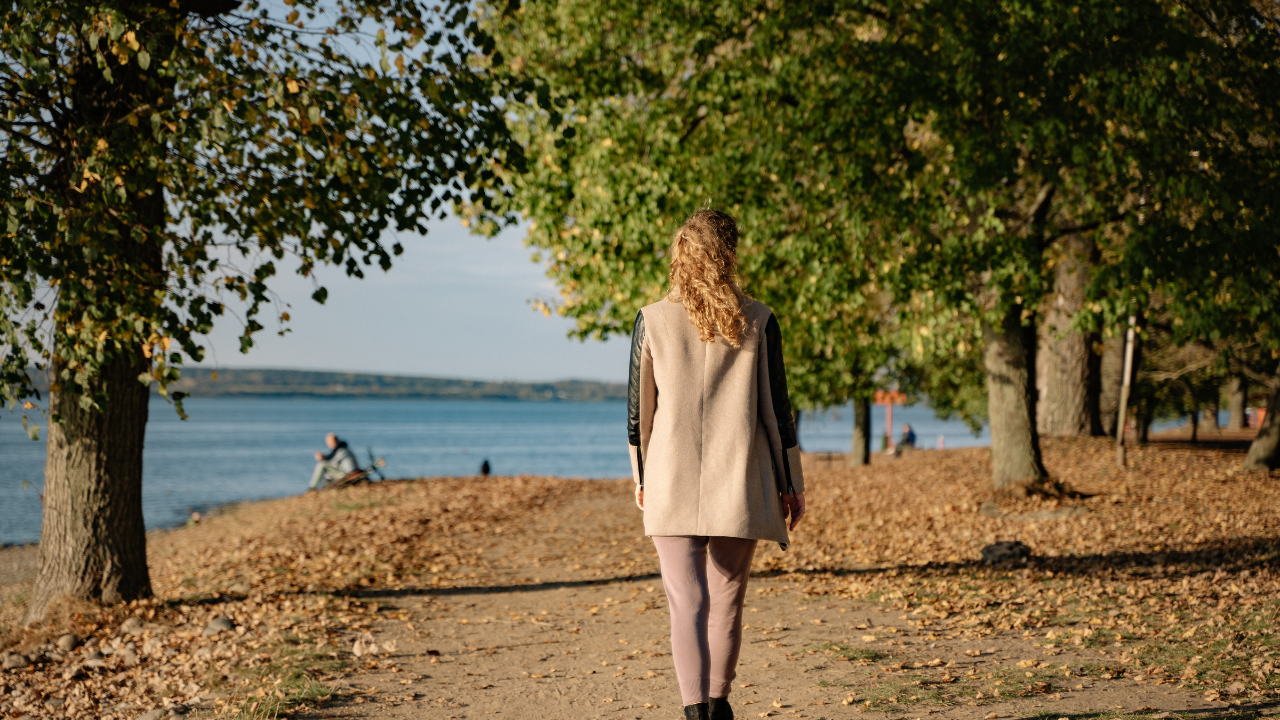
I have a walk I do most mornings. Along the Esplanade, past the playgrounds and parks, past the pelicans who have made this inlet their home. I could do it with my eyes closed, and if I’m honest, some mornings I more or less do.
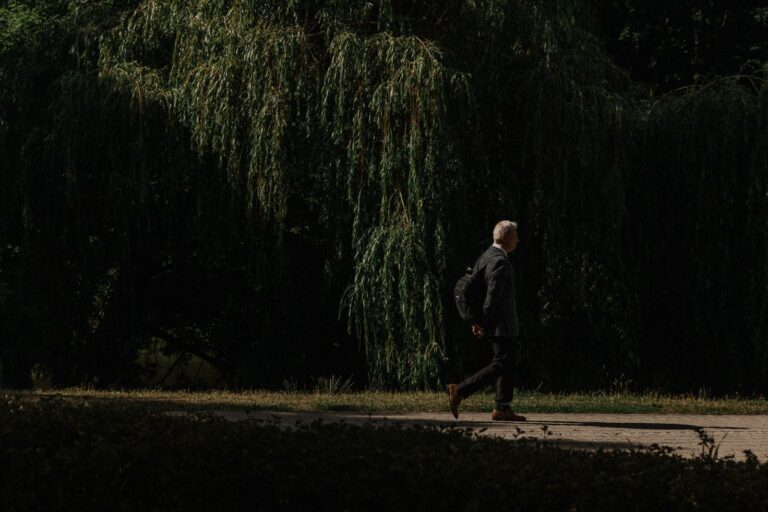
A while ago I caught myself halfway round with a podcast in my ears, thinking about a shopping list, and realised I hadn’t actually looked at anything for twenty minutes. There was a perfectly good sky up there and so many birds on the mudflats. I’d walked straight past them.
It made me wonder how much of retirement I might spend like that: out in the world, technically, but somewhere else in my head.
Then I came across a small study that I keep coming back to.
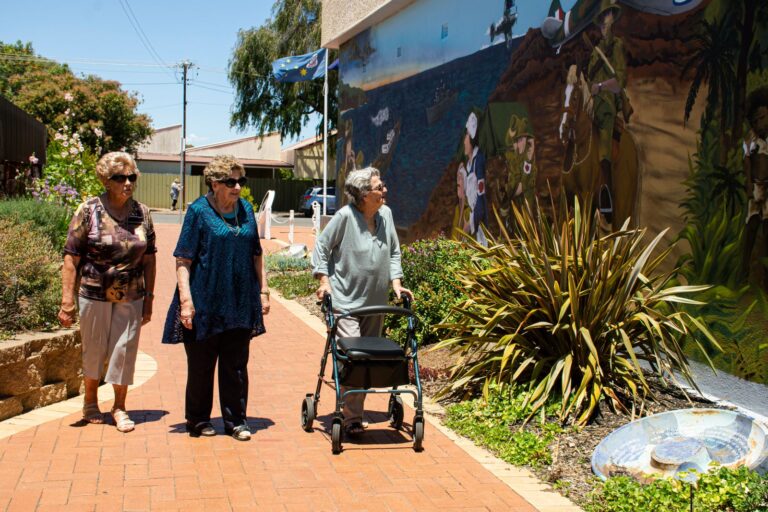
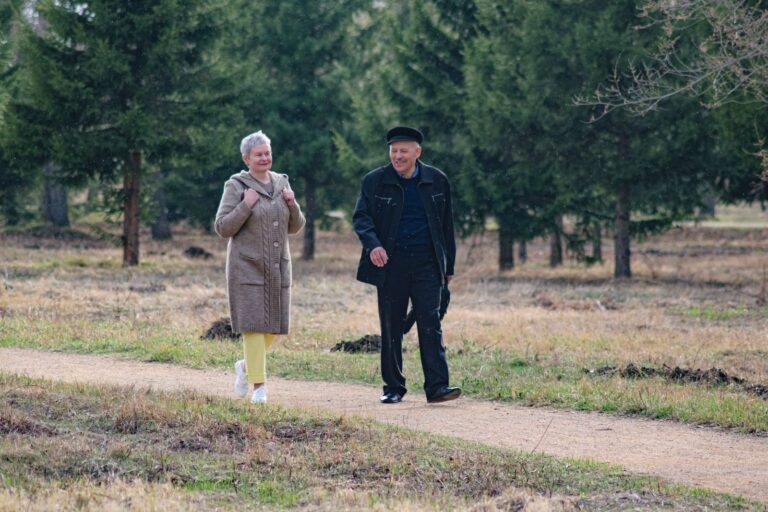
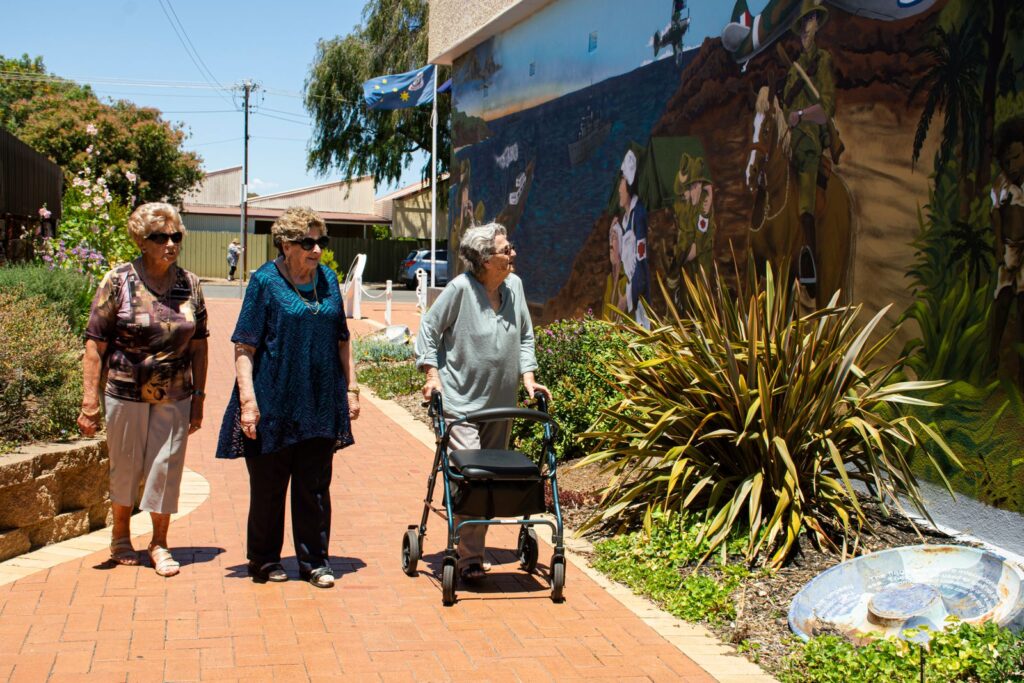
Researchers at the University of California, San Francisco asked a group of healthy adults aged 60 to 90 to take a 15-minute walk outdoors once a week for eight weeks. Half were simply asked to walk. The other half were asked to take what the researchers called an “awe walk”: to tap into their sense of wonder as they went, and to try somewhere new if they could.
That was the whole difference. Same walk, same 15 minutes. One group was just looking a little differently.
Big smile, small self
The 60 people in the study rated how they felt after each walk, and every day they also noted how they were feeling in general. On each walk, they took a photo of themselves.
By the end of the eight weeks, the awe walkers reported feeling more awe on their walks than the people who simply walked, which you might expect. But they also reported more joy, and more of what the researchers call prosocial emotions: things like compassion and gratitude, the feelings that turn us outward towards other people.
And it carried into the rest of the week. Away from the walks, the awe group reported more of those warm, outward-looking feelings in daily life, and their everyday distress eased more than the comparison group’s.
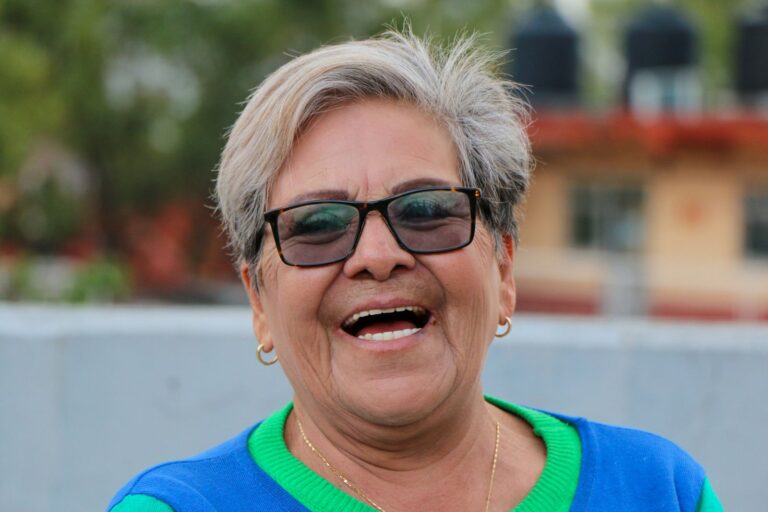
The photographs are the part I love. Over the weeks, the awe walkers took up less and less of their own pictures. The trees, the sky and the street filled more of the frame, and they filled less of it. The researchers called this a “small self”. At the same time, the smiles in their photos grew broader.
Big smile, small self. That was the title of the paper, published in the journal Emotion, and I think it’s one of the loveliest phrases I’ve come across in research.
What it didn’t do
I want to be careful here, because it would be easy to oversell. This was a small study, just 60 people. When the researchers measured anxiety, depression and overall life satisfaction before and after, neither group had changed. A few awe walks are not a cure for anything, and nobody involved claimed they were.
What shifted was something gentler: the everyday emotional weather. A bit more joy, a bit more warmth towards others, a bit less of the low-level distress that can hang around a day.
It isn’t the only study pointing that way. A few years earlier, researchers at UC Berkeley followed military veterans and young people on whitewater rafting trips. They found that the awe people felt on the river predicted improvements in their wellbeing a week later, more than any of the other positive emotions measured. In a second study, students’ ordinary, everyday time in nature seemed to work the same way, through awe.
Whitewater rafting is a long way from my morning walk to the café. That’s rather the point, though. The UCSF walkers weren’t sent to the Grand Canyon. They were simply asked to look with a sense of wonder, and to try a new route if they could.
Looking up
So I’ve been trying it. Not very scientifically, I should say.
Some mornings I leave the podcast at home. Mostly I just try to notice one thing I haven’t noticed before. The way the light sits on the water first thing in the morning. A beautiful fig tree I must have passed two hundred times. The dignified pelicans I mentioned earlier.
None of it is grand. That’s what surprised me. I’d always thought of awe as something you had to travel for: a cathedral, a canyon, the Northern Lights on a bucket list. But the researchers described awe as what we feel in the presence of something vast that we don’t immediately understand. And it turns out there is quite a lot of that around, once you’re looking for it. A sky. A tree that has been standing there far longer than you have. The shimmering water everywhere.
I suspect many of us arrive at retirement with our heads still down, in the habit of getting from A to B. Work rewarded that. It’s a hard habit to put down, even when there’s nowhere we have to be.
A smaller self
What stays with me most is that “small self”. Not small as in diminished, but small as in one part of something much bigger. For anyone who has spent decades being the person in charge, the one with the title and the answers, there might be some relief in that. A chance to take up a little less of the frame and let the world fill the rest.
I haven’t measured my smile in my morning photos. I don’t take any. But I come home from that walk a little lighter than I used to, and I don’t think it’s the exercise.
It’s a fifteen-minute walk. The sky is free. And it’s there tomorrow morning, whether or not we remember to look up.
If you’d like to see where energy, connection, purpose and vision sit in your own life right now, try my free Retirement Thrive Score. It’s 12 questions, takes about two minutes, and shows you which of the four ingredients is strongest for you, and which could use some attention.
Feeling lost or unfulfilled?
Jeanette Brown’s “Your Life Review” video is designed to help you identify key areas in your life that need improvement.
Through a simple yet powerful exercise, you’ll assess your current satisfaction across different life domains, allowing you to pinpoint specific areas for growth.
This life review forms the foundation for creating a clear vision, setting aligned goals, and developing a personalized action plan.
Take the first step towards a more satisfying life. Start your Life Review now and gain immediate access to this transformative exercise.
Navigating Life’s Transitions with Jeanette Brown
Jeanette Brown is here to guide you through life’s transitions.
On her YouTube channel, she offers practical advice and supportive strategies to help you manage personal and career changes effectively.
Her videos focus on fostering resilience and equipping you with the skills needed for self-coaching.
Subscribe here to start mastering your life transitions today.