I became a grandparent last year.
Most of us know the kind of grandparent we would like to be: the one whose arrival is greeted with a shout from the hallway rather than a polite hello. There is no formula for that, and every grandchild is different. But researchers have spent a good deal of time asking grandchildren what they value in their grandparents, and looking at which kinds of involvement go along with closer, happier relationships. A fairly consistent picture emerges.
One caution before the list. Most of these studies are surveys that show associations, not cause and effect. Children who are already doing well may simply draw their grandparents in more. Still, the patterns are useful, and many of them match what grandchildren say in their own words.
1. Give them your whole attention
When researchers from the University of Oxford and colleagues surveyed about 1,500 young people aged 11 to 16 in England and Wales, and then interviewed 40 of them, one theme kept coming up. Parents were busy. Grandparents had time.
A 12-year-old girl put it simply. Her parents, she explained, were never really relaxed because they also had work and housework to do, “whereas like your grandparents they can spend the whole time with you.” The study, published in Children & Society in 2010, was titled with another child’s words: “They’ve always been there for me.”
Undivided attention is something many retired grandparents can offer more easily than anyone else in a child’s life. Putting the phone away is a good start.
2. Join in with what they love
In the same study, grandparents who got involved in a child’s hobbies and interests were linked to children reporting fewer emotional and behavioural difficulties overall, and fewer problems with friends. It doesn’t need to be your hobby. Watching the football they play, learning the rules of the game they’re obsessed with, or asking them to show you how something works tells a child their world is worth your time.
3. Be someone they can talk to
“My granny and granddad, we just sit down and talk about it,” one 13-year-old said of the problems she brought to them. A companion study by the same research group, led by Shalhevet Attar-Schwartz and published in the Journal of Family Psychology in 2009, looked at 1,515 adolescents. Those who talked with a grandparent about their social lives and school, or went to them for advice, showed less hyperactivity and disruptive behaviour and got on better with peers.
The link was strongest in single-parent families and stepfamilies, and children whose parents had separated often described grandparents as confidants and a source of comfort. Being a steady, listening presence matters most when a family is going through a hard time.
4. Take an interest in their school and their future
The Oxford-led study found that grandparents’ involvement in school life, and conversations about the child’s future plans, both went along with fewer reported difficulties. Help can be practical, too. “If I fail a test or anything they help me revise, even down the phone,” a 13-year-old told the researchers.
For younger children, this might be as small as asking about their teacher by name, or remembering the excursion they were nervous about.
Related Stories from Jeanette Brown
- I love my partner, but we don’t need to spend every waking hour together—something retirement took a while to teach us
- Your social circle may shrink as you get older—but research suggests becoming more selective can make the relationships you keep more meaningful
- I didn’t suddenly find myself alone in my 60s—the connections that had held my life together simply began to disappear
5. Tell them the family stories
Grandparents hold a family’s history in a way no one else does. Researchers at Emory University in Atlanta, Robyn Fivush and Marshall Duke, recorded dinnertime conversations in 40 families with children aged 9 to 12, and asked the children questions such as how their parents met and where their grandparents grew up. Children who knew more of their family’s history tended to have higher self-esteem, get on better with peers and show more resilience.
It was a small study, and it can’t show that the stories themselves caused those benefits. But stories of how a grandparent met their partner, what their first job was, or what went wrong on a long-ago holiday are exactly the kind of thing grandchildren tend to ask to hear again.
6. Keep in touch between visits
Distance doesn’t have to mean disconnection, even with very young children. In a study in the journal Developmental Science, Lauren Myers and colleagues had 60 children aged 12 to 25 months spend a week of daily sessions with the same friendly adult, either over live video chat or through a pre-recorded video. When the toddlers then met that adult in person, those who had chatted live were more likely to recognise and prefer her over a stranger.
The study didn’t compare video with time together in person, which is likely better again. But regular calls, voice messages or a postcard between visits can help a child arrive at the next visit already feeling they know you.
7. Stay close to their parents
Parents are the gatekeepers of a grandparent relationship, and research bears that out. A US study by sociologist Maria Monserud, published in the Journal of Marriage and Family in 2008, looked at young adults aged 18 to 23 and found that how close they felt to their grandparents was linked to their parents’ own relationships with those grandparents. Mothers’ relationships with both sets of grandparents appeared to carry particular weight.
In practice, that means respecting the parents’ rules and routines, asking before making plans, and treating the parents as the ones in charge. The Oxford-led research found grandparents worked best as a supplement to parents, not a replacement.
8. Offer a change of pace
The children in the Oxford-led study were clear that time with grandparents was different, and they liked it that way. The researchers wrote that it “represented an opportunity for relaxation, fun and treats; a change from the regular routine.” One 12-year-old boy said of his granddad: “I feel more relaxed and he spoils me more.”
A little spoiling, within the limits the parents are comfortable with, is part of the appeal. So is a slower pace: a walk with no destination, a game that runs on as long as it needs to, or a meal where nobody is in a hurry.
Why it matters on both sides
The pull works both ways. In a 2021 brain-imaging study at Emory University, anthropologist James Rilling and colleagues showed 50 grandmothers photos of their grandchildren. The images activated brain areas linked to emotional empathy more strongly than photos of the grandchildren’s parents did.
None of the eight points above needs money or special skill. Most come down to time, attention and patience, which grandparents in retirement are often better placed to give than at any other point in their lives. The rest depends on the particular child, and getting to know them is the best part of the job.
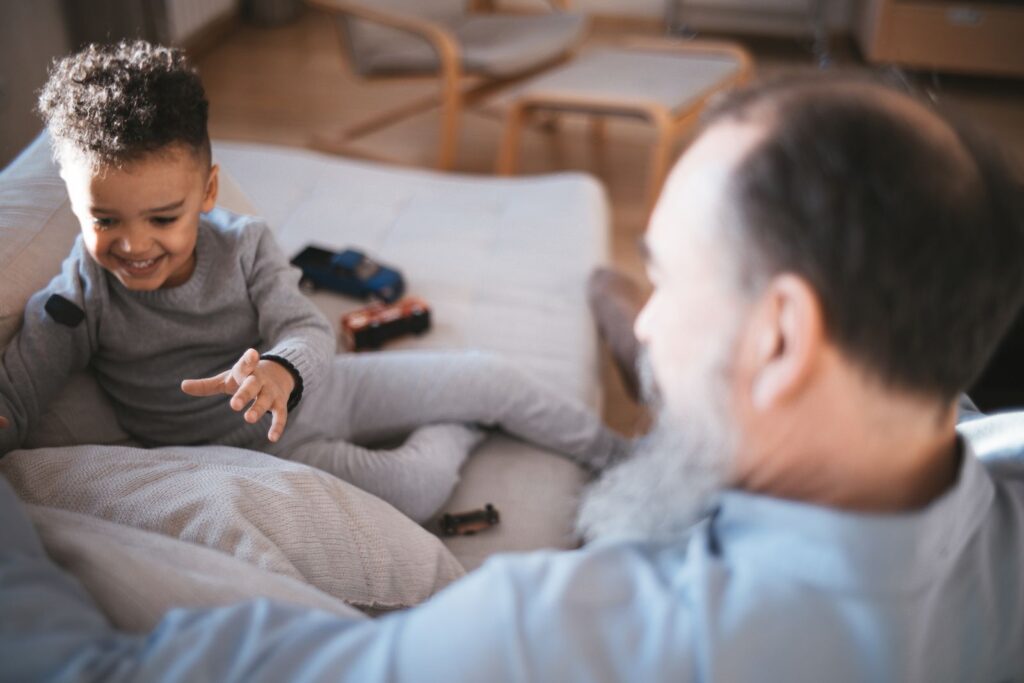
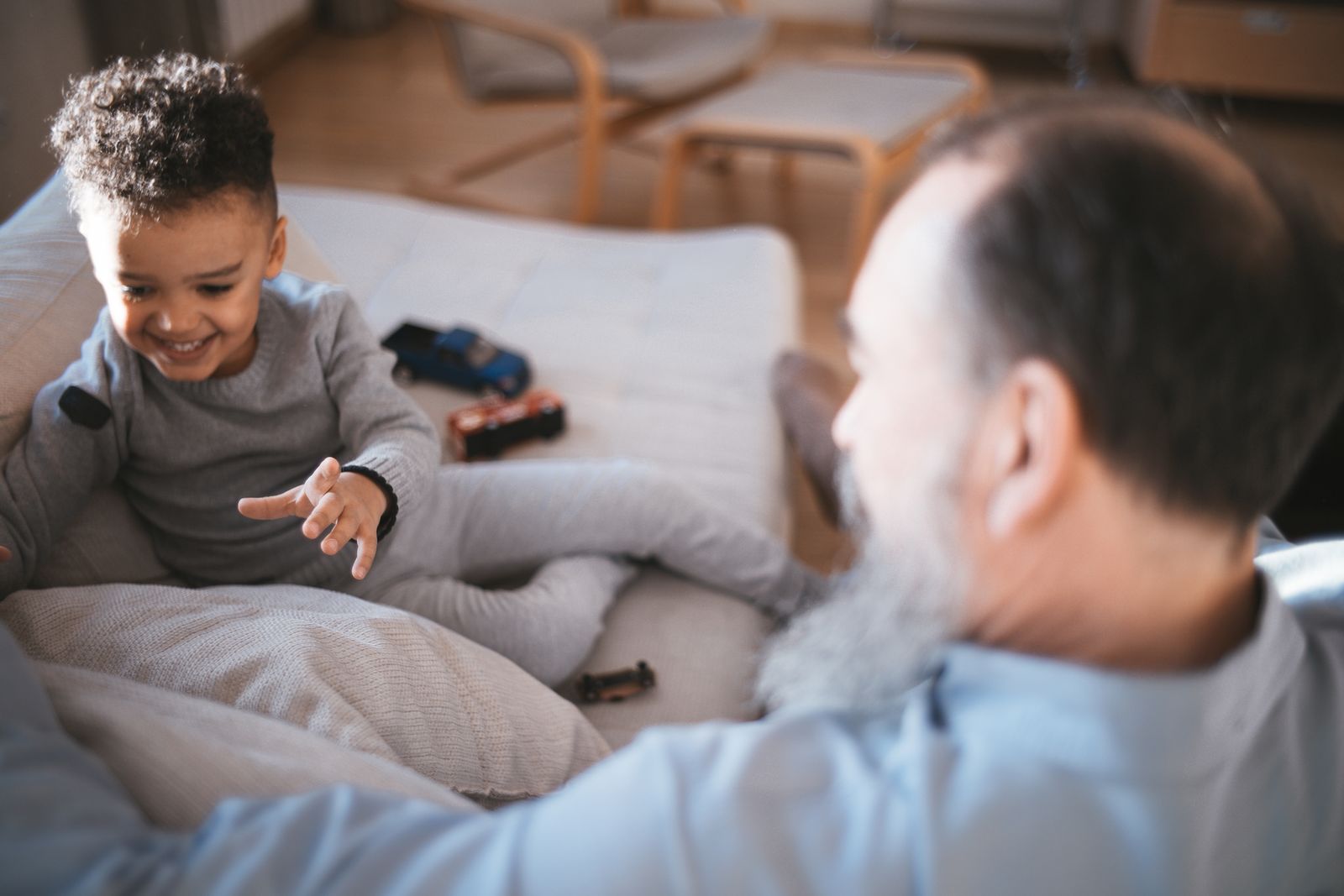
Representative image. Photo: Mikhail Nilov / Pexels
Related Stories from Jeanette Brown
- I love my partner, but we don’t need to spend every waking hour together—something retirement took a while to teach us
- Your social circle may shrink as you get older—but research suggests becoming more selective can make the relationships you keep more meaningful
- I didn’t suddenly find myself alone in my 60s—the connections that had held my life together simply began to disappear
Navigating Life’s Transitions with Jeanette Brown
Jeanette Brown is here to guide you through life’s transitions.
On her YouTube channel, she offers practical advice and supportive strategies to help you manage personal and career changes effectively.
Her videos focus on fostering resilience and equipping you with the skills needed for self-coaching.
Subscribe here to start mastering your life transitions today.
Related Stories from Jeanette Brown
- I love my partner, but we don’t need to spend every waking hour together—something retirement took a while to teach us
- Your social circle may shrink as you get older—but research suggests becoming more selective can make the relationships you keep more meaningful
- I didn’t suddenly find myself alone in my 60s—the connections that had held my life together simply began to disappear
Feeling lost or unfulfilled?
Jeanette Brown’s “Your Life Review” video is designed to help you identify key areas in your life that need improvement.
Through a simple yet powerful exercise, you’ll assess your current satisfaction across different life domains, allowing you to pinpoint specific areas for growth.
This life review forms the foundation for creating a clear vision, setting aligned goals, and developing a personalized action plan.
Take the first step towards a more satisfying life. Start your Life Review now and gain immediate access to this transformative exercise.